 |
|
|
|
|
|
|
|
|
|
|
|
|
|
|
|
|
|
|
|
|
|
|
|
|
|
|
|
|
|
|
|
|
|
|
|
|
|
|
|
|
|
|
|
|
|
|
|
|
|
|
|
|
|
|
|
|
|
|
|
|
|
|
|
|
|
|
|
|
|
|
|
|
|
|
|
|
|
|
|
|
|
|
|
email: tony@lathes.co.uk
Home Machine Tool Archive Machine-tools Sale & Wanted
Machine Tool Manuals Catalogues Belts Books Accessories
George Adams of London
3.25" & 4.75" Models D, E, F, G & H
Precision Plain Lathes for Instrument makers
George Adams Home Page GA Lathe Model 21/2"
G.A. Watchmakers' Lathes G.A. Round Bed Lathe
3.25" & 4.75" Screwcutting Lathes Models D, E, F, G & H
4" & 5.25" 4" & 5.25" Screwcutting Models A, B, L, KF1 and CL
3.25" & 4.75" Precision Lathes Models D, E, F, G & H
2.75" Screwcutting Lathe Model CS
Advertisements 1930
GA 21/2" Precision Plain Lathe
Watchmakers' Lathes
Portass-built Mk. 5 Lathe Photo Essay
George Adams Ehrlich Lathe
|
|
|
|
|
|
|
|
|
|
|
|
|
|
 |
|
|
|
|
|
|
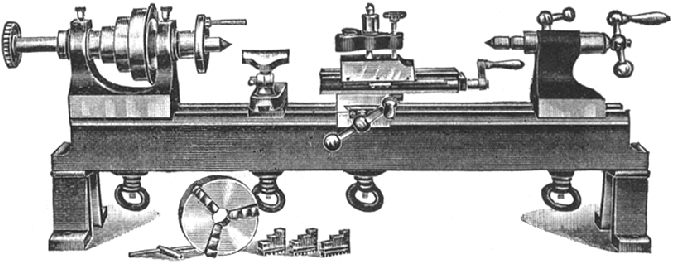
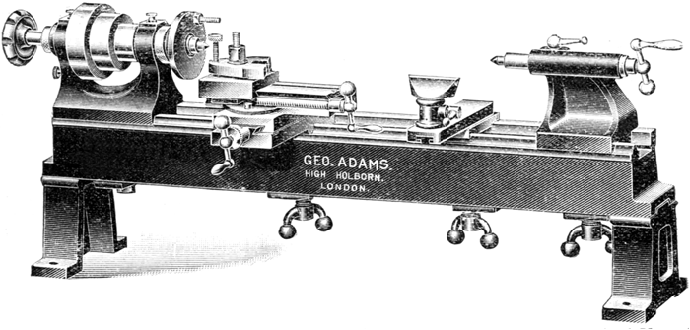
Non-backgeared Model D, E, F, G and H Plain Lathe with straight bed. This machine could be fitted to either as single or double flywheel foot-power (treadle) stand.
|
|
|
|
|
|
|
|
 |
|
|
|
|
|
|
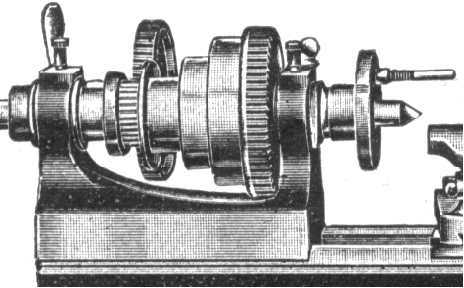
Backgeared version of the D, E, F, G and H lathe headstock.
|
|
|
|
|
|
|
|
|
|
|
 |
|
|
|
|
|
|
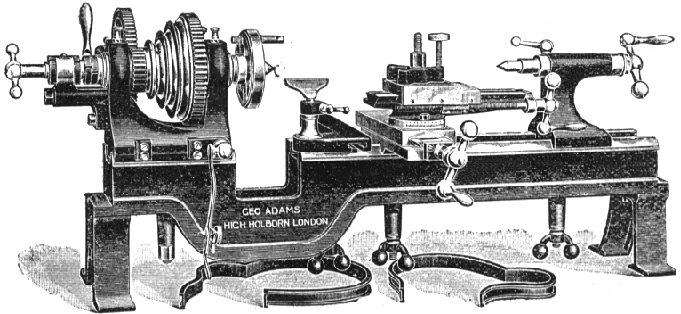
Backgeared, gap-bed version of the D, E, F, G and H lathe - the backgear covers are shown removed. The gap was filled by a bridge piece - not shown.
|
|
|
|
|
|
|
|
|
|
|
 |
|
|
|
|
|
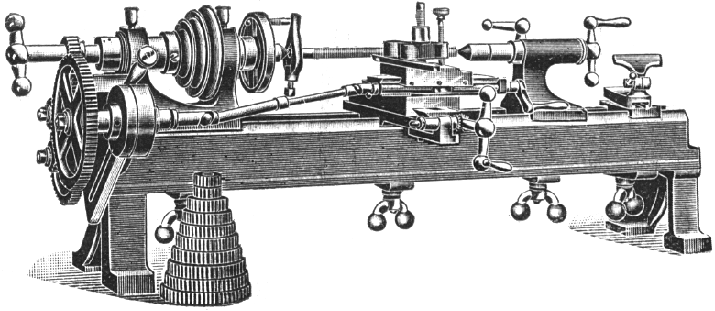
Screwcutting attachment on the Model D lathe. This accessory, though common on similar lathes from many makers, carried two features possibly unique to George Adams: a cluster gear which could be set to produce left and right hand threads with a neutral, non-drive position and an alternative location for the end of the telescopic drive shaft that allowed it to drive, via a pair of bevel gears, a power cross feed mechanism.
With the 14 changewheels supplied a range of both English and metric threads could be generated. At a cost of £13 : 10s : 0d in 1931 this accessory represented some 66% of the cost of the cheapest 3.25" Model D Precision Lathe - and some 56% of the cost of the most expensive long bed 4.75" version.
|
|
|
|
|
|
|
|
 |
|
|
|
|
|
|
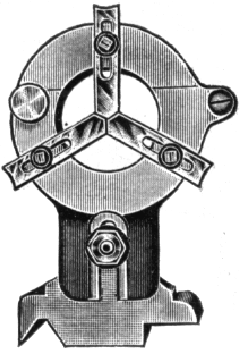
Distinctive fixed steady of the George Adams 3.25" and 4.75" lathes
|
|
|
|
|
|
|
 |
|
|
|
|
|
|
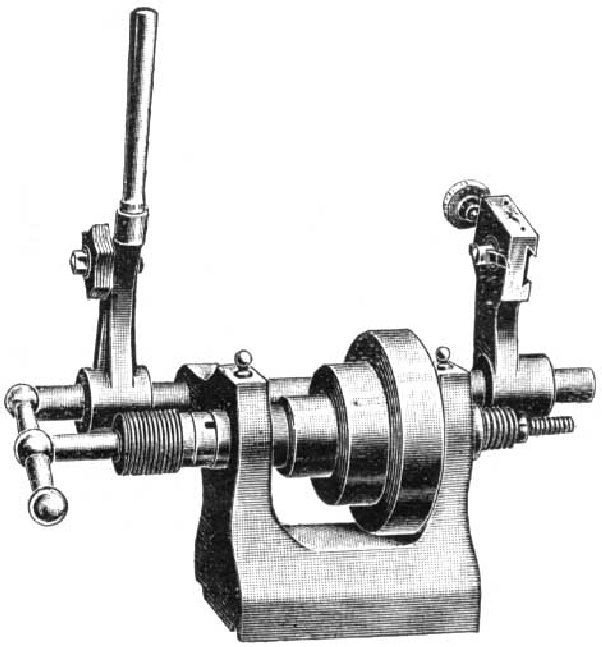
Thread Chasing Attachment For the 3.25" & 4.75" Models D, E, F, G & H This type appears to use the mounting points normally provided on a headstock for the fitting of backgear.
|
|
|
|
|
|
|
|
|
|
|
|
|
|
|
|
|
 |
|
|
|
|
|
|
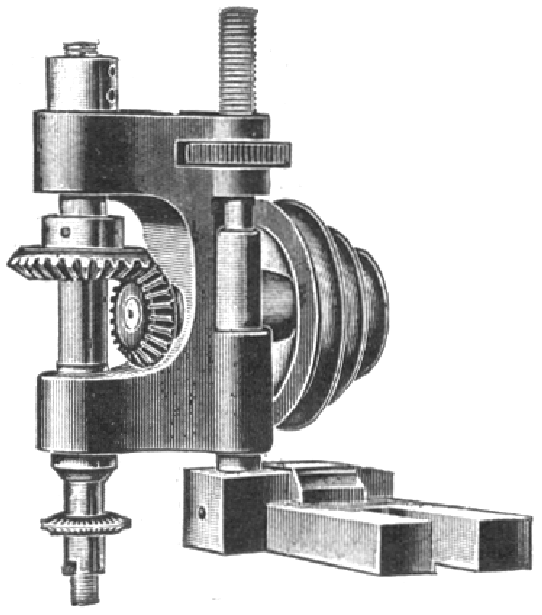
Sturdy, bed-mounted vertical milling attachment for the 3.25" & 4.75" Models D, E, F, G & H
|
|
|
|
|
|
|
|
|
|
|
 |
|
|
|
|
|
|
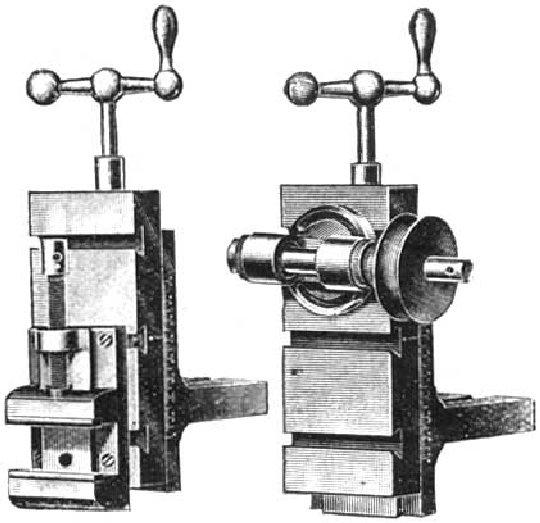
Vertical slides showing the optional vice and high-speed milling and drilling spindle for use on the 3.25" & 4.75" Models D, E, F, G & H
|
|
|
|
|
|
|
|
|
|
|
 |
|
|
|
|
|
|
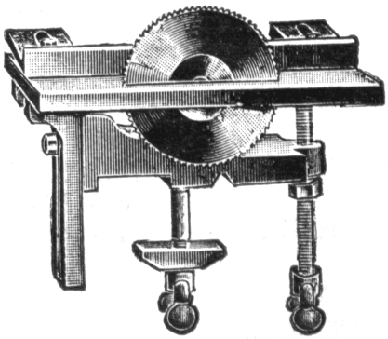
Bed-mount saw-bench assembly
|
|
|
|
|
|
|
|
 |
|
|
|
|
|
George Adams GA 31/2
Built very much along the lines of the GA 21/2, the GA 31/2 Precision lathe had an increased centre height, stiffer tailstock, much heavier compound slide rest (with a 5.5" travel top slide) and the option of flat instead of round-belt drive. The machine was built in just one version - with a centre height of 3.5" and a bed 32" long which gave a capacity of 18" between centres.
The 9/16" bore headstock spindle, with a 1.25" x 10 t.p.i nose, accepted GA 15 mm shank Size C collets (with a maximum bore of 3/8") and was hardened and ground - and ran in hardened, ground and lapped steel bearings.
Both headstock and tailstock accepted the same half-length No. 1 Morse taper centres as used on the GA 21/2 lathe. The bed was formed with one raised V and one flat - the same V locating both the slide rest and the tailstock.
|
|
|
|
|
|
|
|
|
|
|
|
|
|
|
|
George Adams Home Page GA Lathe Model 21/2"
G.A. Watchmakers' Lathes G.A. Round Bed Lathe
3.25" & 4.75" Screwcutting Lathes Models D, E, F, G & H
4" & 5.25" 4" & 5.25" Screwcutting Models A, B, L, KF1 and CL
3.25" & 4.75" Precision Lathes Models D, E, F, G & H
2.75" Screwcutting Lathe Model CS Advertisements 1930
GA 21/2" Precision Plain Lathe Watchmakers' Lathes
Portass-built Mk. 5 Lathe Photo Essay
George Adams Ehrlich Lathe
George Adams of London
3.25" & 4.75" Models D, E, F, G & H
Precision Plain Lathes for Instrument makers
email: tony@lathes.co.uk
Home Machine Tool Archive Machine-tools Sale & Wanted
Machine Tool Manuals Catalogues Belts Books Accessories
|
|
|
|
|
|