 |
|
|
|
|
|
|
|
|
|
|
|
|
|
|
|
|
|
|
|
|
|
|
|
|
|
|
|
|
|
|
|
|
|
|
|
|
|
|
|
|
|
|
|
|
|
|
|
email: tony@lathes.co.uk
Home Machine Tool Archive Machine-tools Sale & Wanted
Machine Tool Manuals Catalogues Belts Books Accessories
George Adams of London
3.25" & 4.75" Models D, E, F, G & H
on Foot-power & Motorised Stands
George Adams Home Page GA Lathe Model 21/2"
G.A. Watchmakers' Lathes G.A. Round Bed Lathe
3.25" & 4.75" Screwcutting Lathes Models D, E, F, G & H
4" & 5.25" 4" & 5.25" Screwcutting Models A, B, L, KF1 and CL
3.25" & 4.75" Precision Lathes Models D, E, F, G & H
2.75" Screwcutting Lathe Model CS
Advertisements 1930
GA 21/2" Precision Plain Lathe
Watchmakers' Lathes
Portass-built Mk. 5 Lathe Photo Essay
George Adams Ehrlich Lathe
|
|
|
|
|
|
|
|
|
|
|
|
|
|
 |
|
|
|
|
|
|
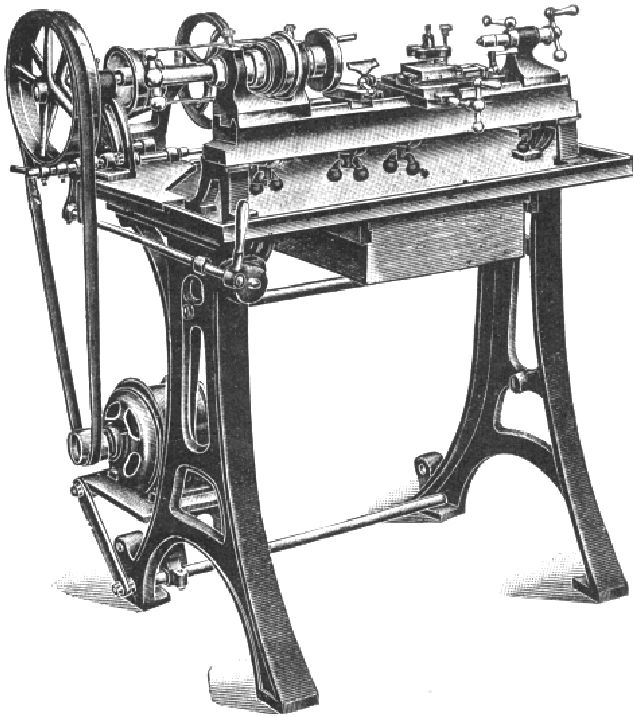
3.25" lathe on the self-contained motorised stand No. 4A1
|
|
|
|
|
|
|
|
|
|
|
 |
|
|
|
|
|
|
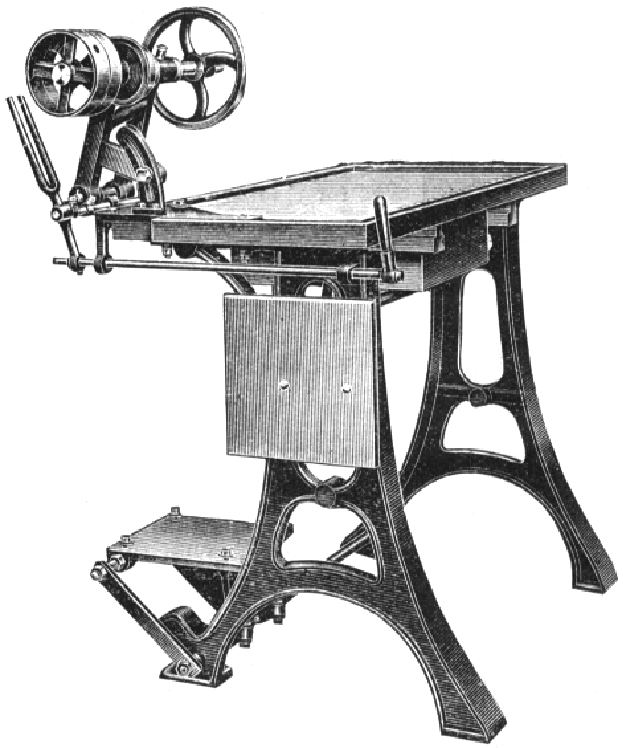
The basic No. 4A1 stand with adjustable motor platform and fast-and-loose pulley drive system
|
|
|
|
|
|
|
|
|
|
|
|
|
|
 |
|
|
|
|
|
|
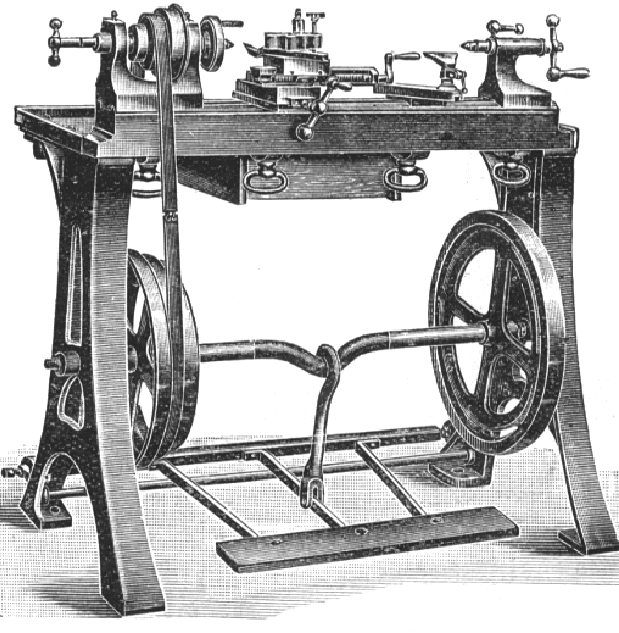
George Adams straight-bed non backgeared Model D, E, F, G and H lathe on the twin-flywheel foot-power stand.
|
|
|
|
|
|
|
|
|
|
|
 |
|
|
|
|
|
|
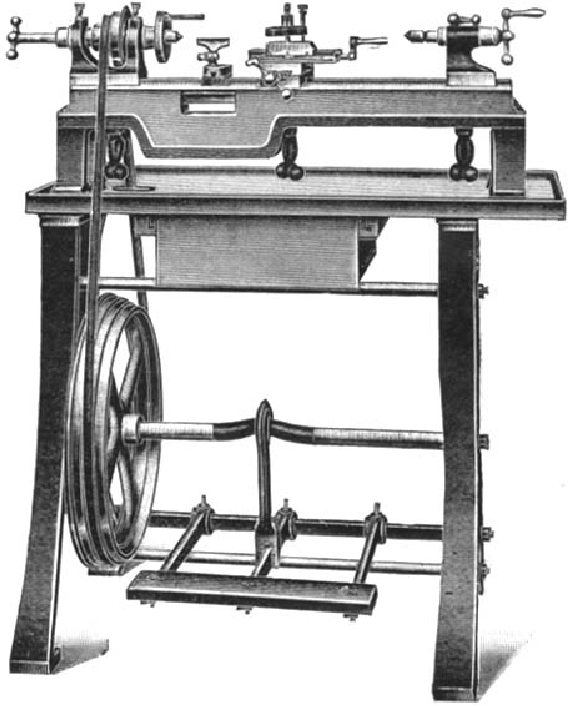
George Adams gap-bed non backgeared Model D, E, F, G
and H lathe on the single flywheel foot-power stand.
|
|
|
|
|
|
|
|
|
|
|
|
|
|
|
|
|
|
|
|
|
George Adams Home Page
GA Lathe Model 21/2"
G.A. Watchmakers' Lathes
G.A. Round Bed Lathe
3.25" & 4.75" Screwcutting Lathes Models D, E, F, G & H
4" & 5.25" 4" & 5.25" Screwcutting Models A, B, L, KF1 and CL
3.25" & 4.75" Precision Lathes Models D, E, F, G & H
2.75" Screwcutting Lathe Model CS
Advertisements 1930
GA 21/2" Precision Plain Lathe
Watchmakers' Lathes
Portass-built Mk. 5 Lathe Photo Essay
George Adams Ehrlich Lathe
George Adams of London
3.25" & 4.75" Models D, E, F, G & H
on Foot-power & Motorised Stands
email: tony@lathes.co.uk
Home Machine Tool Archive Machine-tools Sale & Wanted
Machine Tool Manuals Catalogues Belts Books Accessories
|
|
|
|
|
|