
|
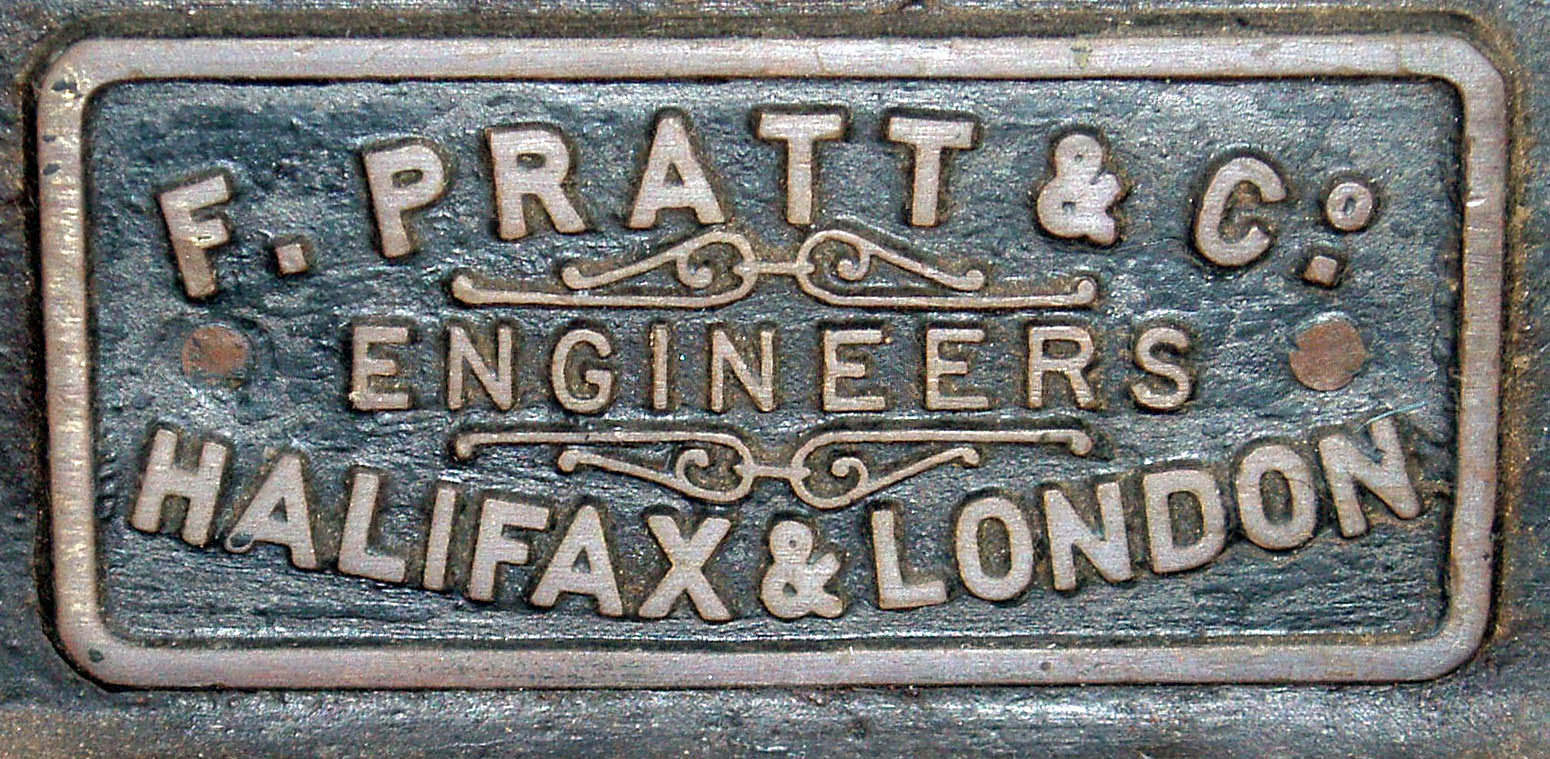
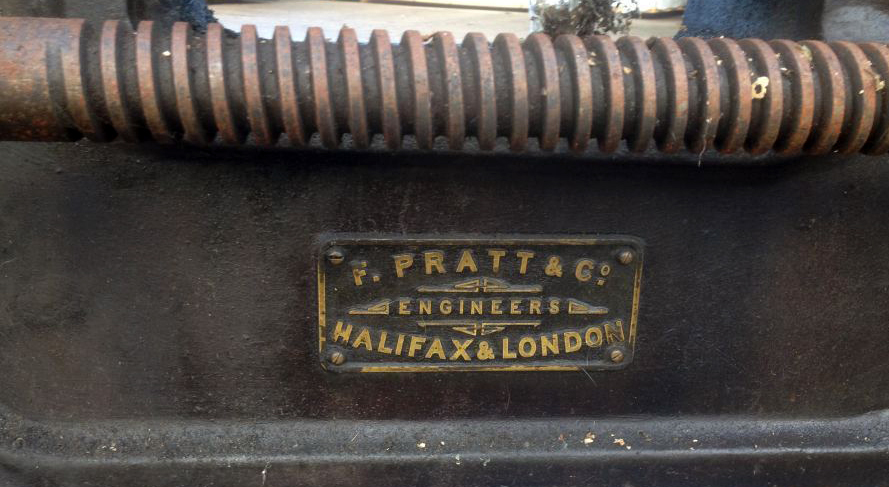
Home Machine Tool Archive Machine-tools for Sale & Wanted Founded in 1886 by Frederick Pratt, with his Eagle Iron Works located at 20 to 22 Winding Road, Halifax, Yorkshire, Pratt was to become best known to the public for their range of lathe chucks. By 1891 sufficient progress had been made to allow the opening of a London office and, by 1914, a résumé of the Company stated: Engineers and machine tool makers. Specialities: machine tools and workshop equipment for engineers, shipbuilders, boilermakers, bridge builders, dockyards, bolt and nut making, wood working, etc. Unfortunately, very few of the Company's machine tools appear to have survived, with the only known examples being the simple treadle lathe shown below; a shaper, probably from the 1920s in Canada and three large, backgeared and screwcutting centre lathes. Tow of the latter are in England, with one restored to full working order - both are shown further down the page - and another resident in Australia. |
|
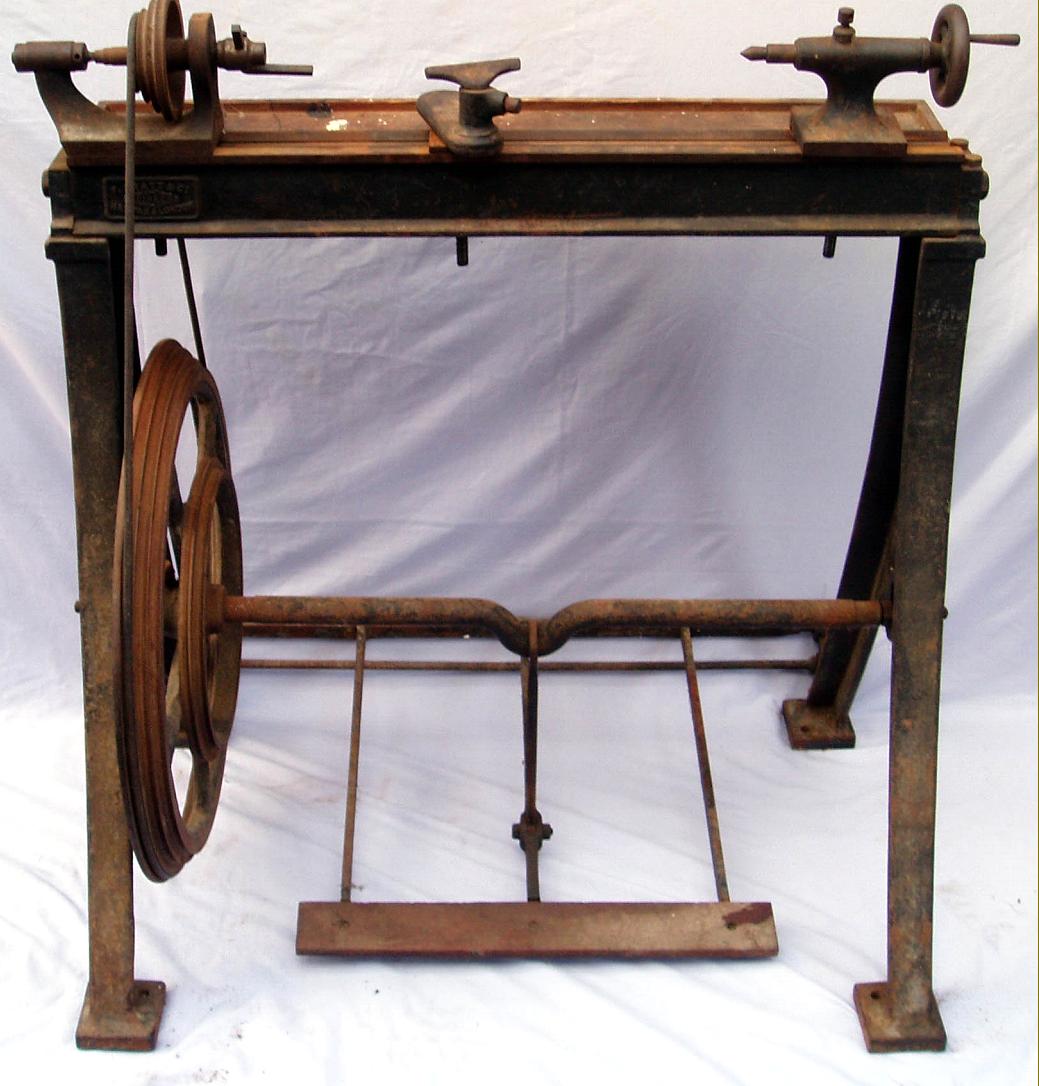
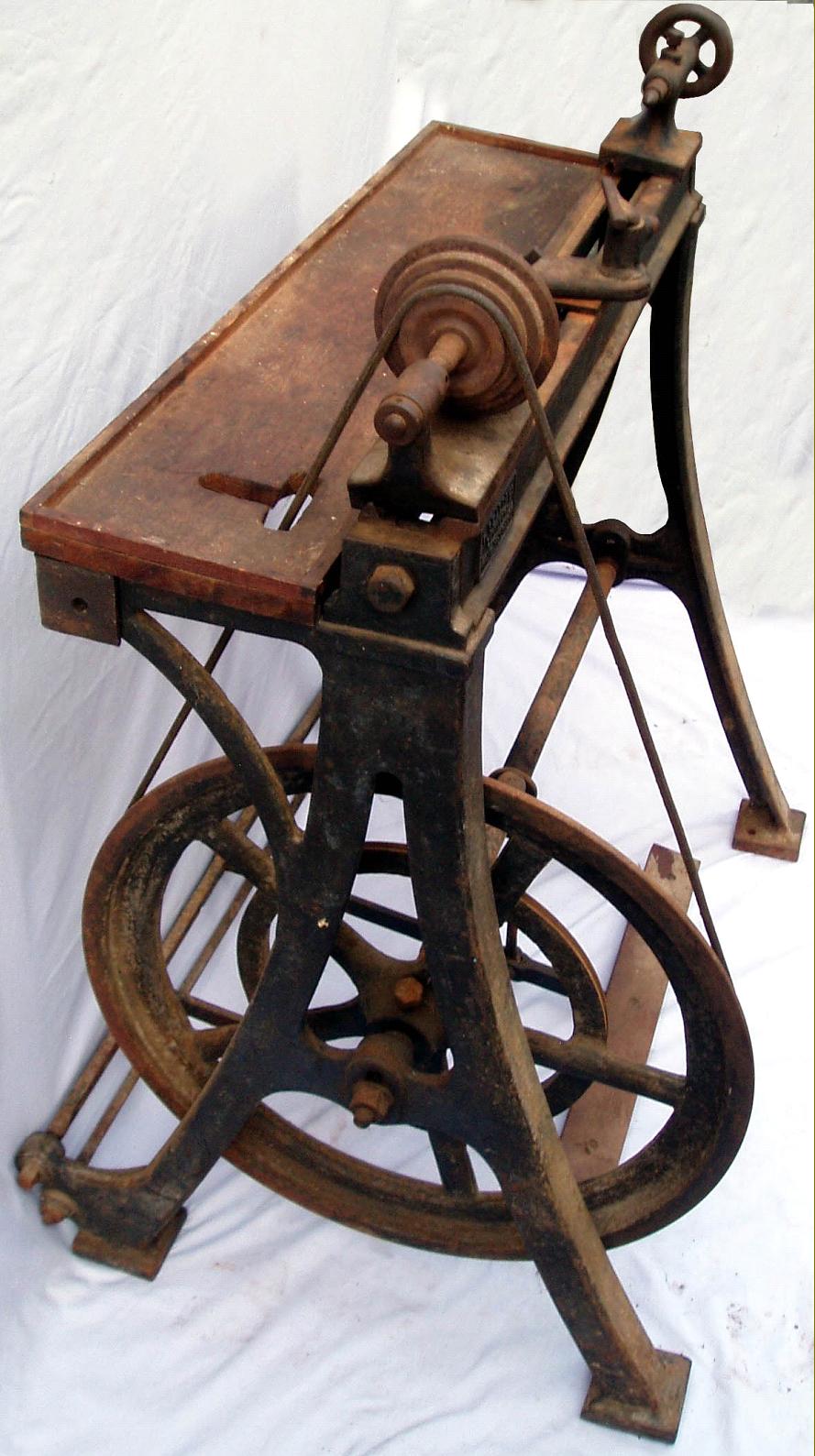
Absolutely typical of the light, treadle-driven lathes made for amateur use from around 1850 to 1920, the F. Pratt & Co. 3.5" x 21" lathe shown above has survived in remarkably fine original condition - even to the wooden tool tray at the back of the stand and treadle foot-board. |
|
|
||
|
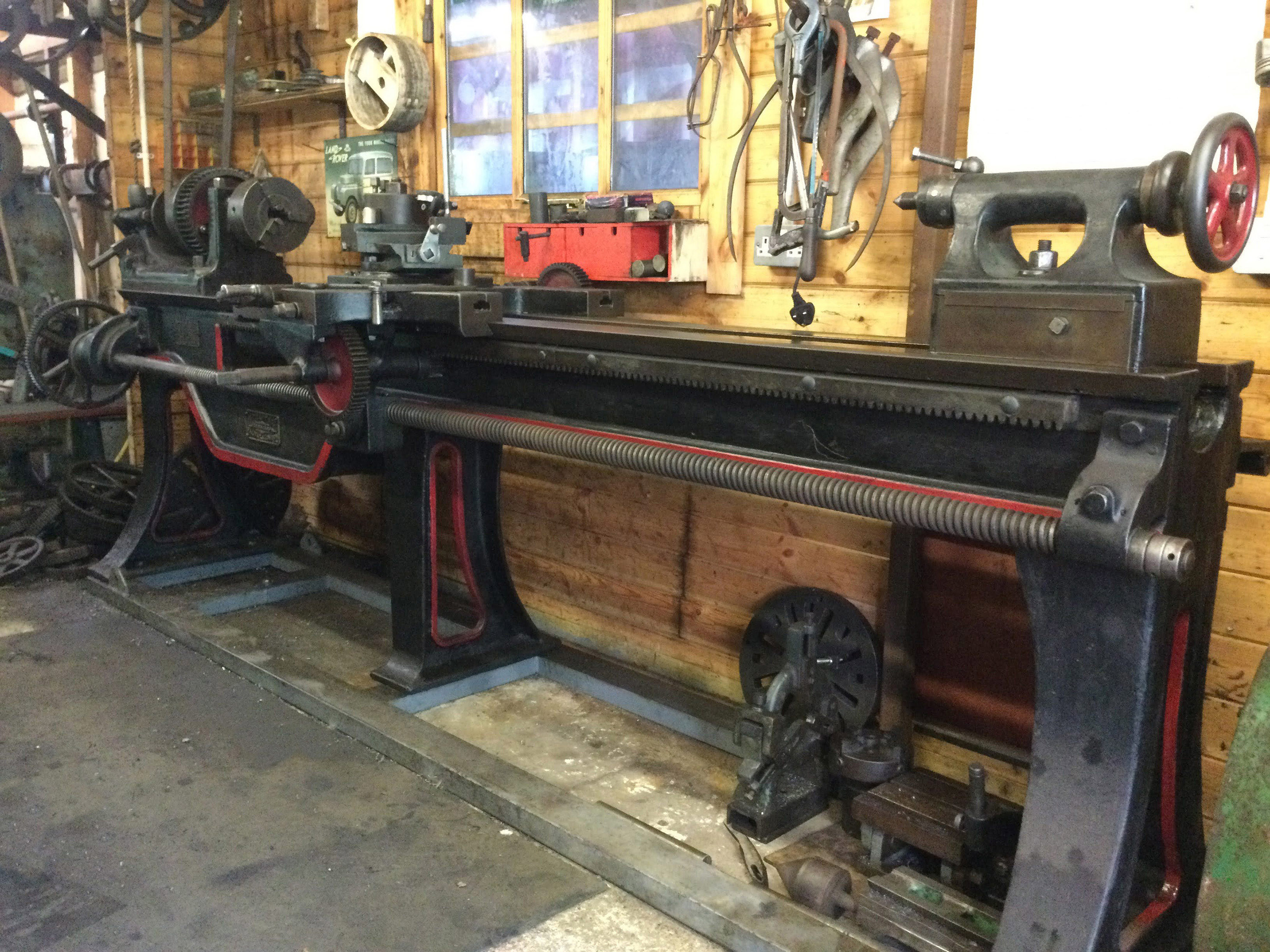
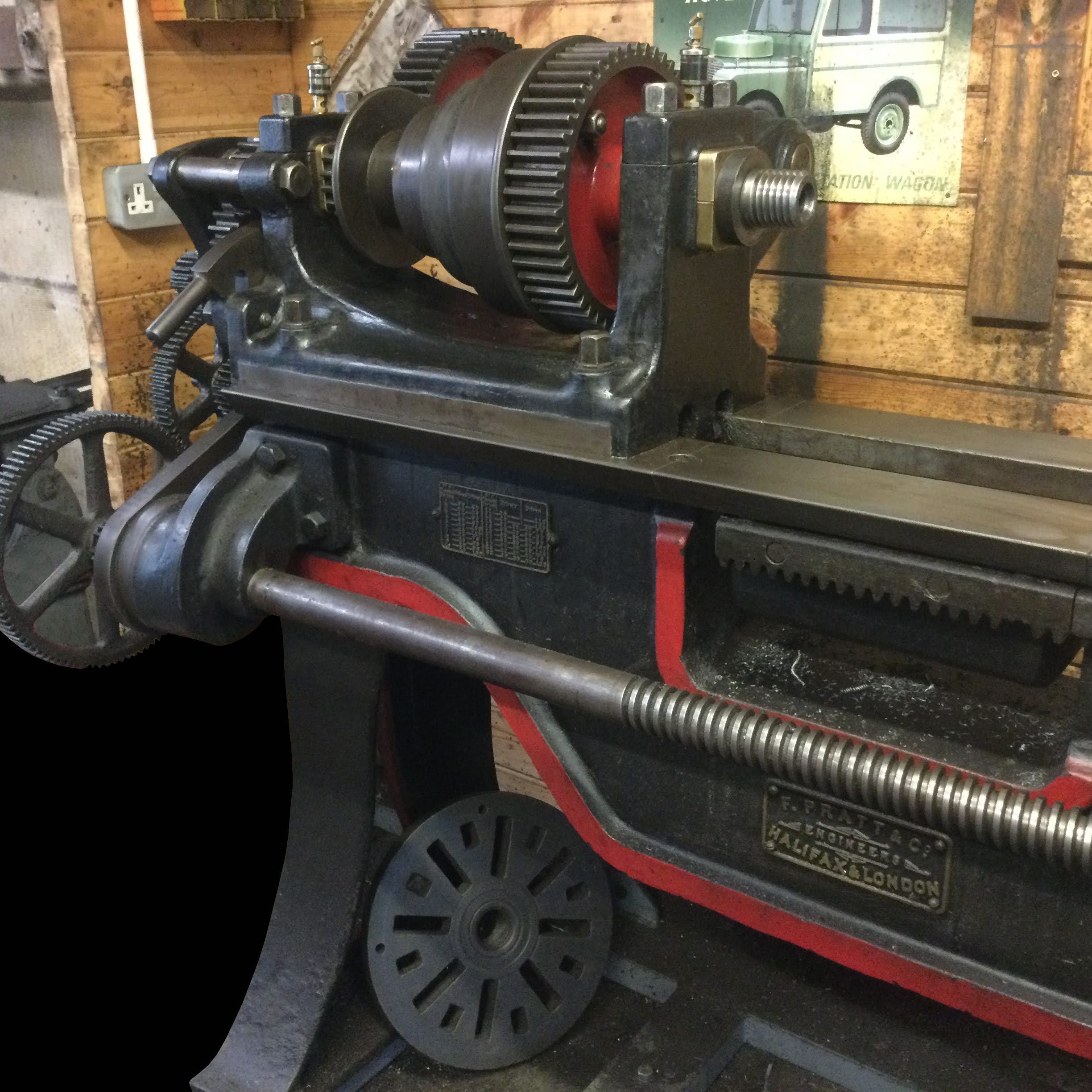
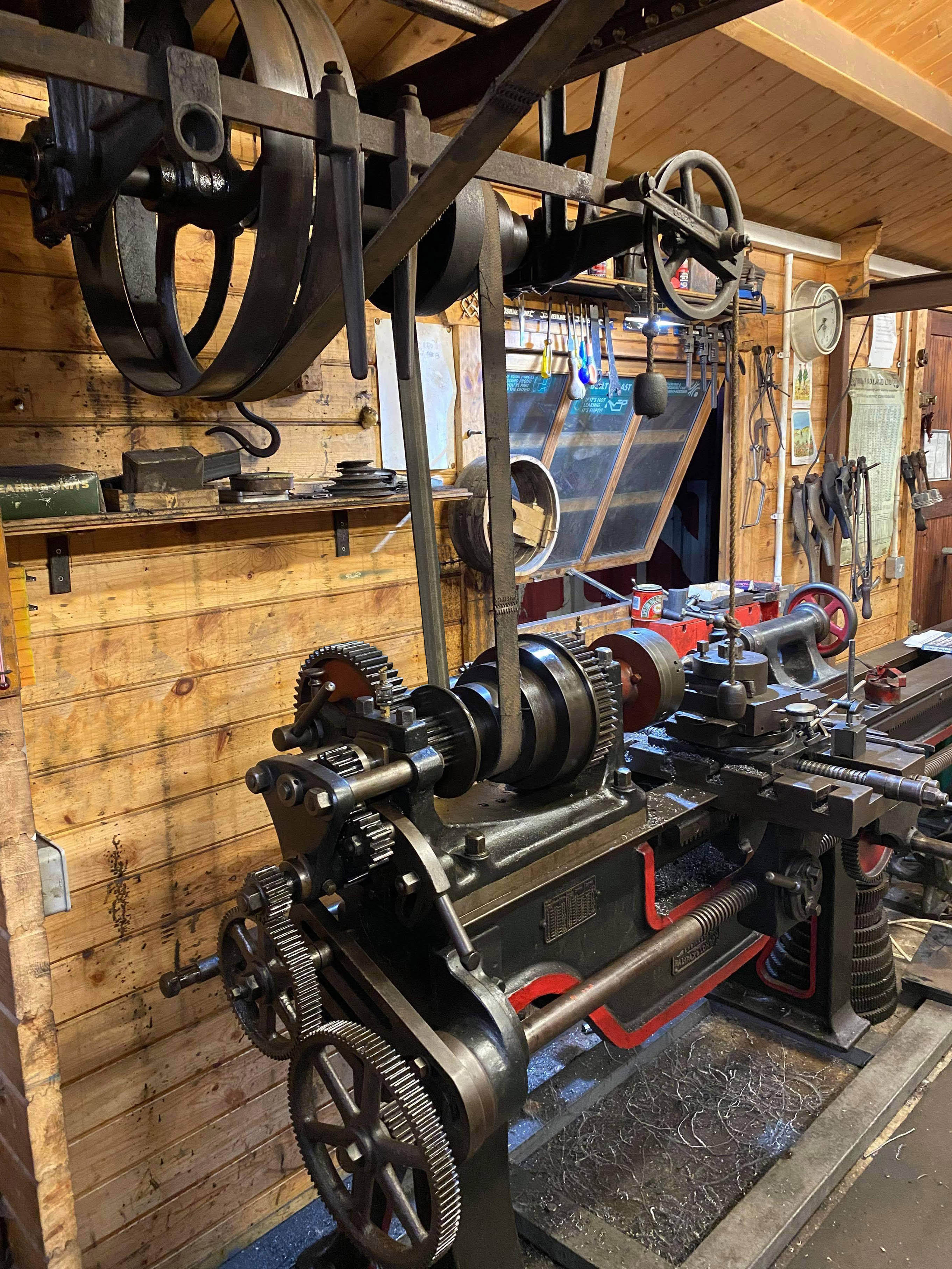
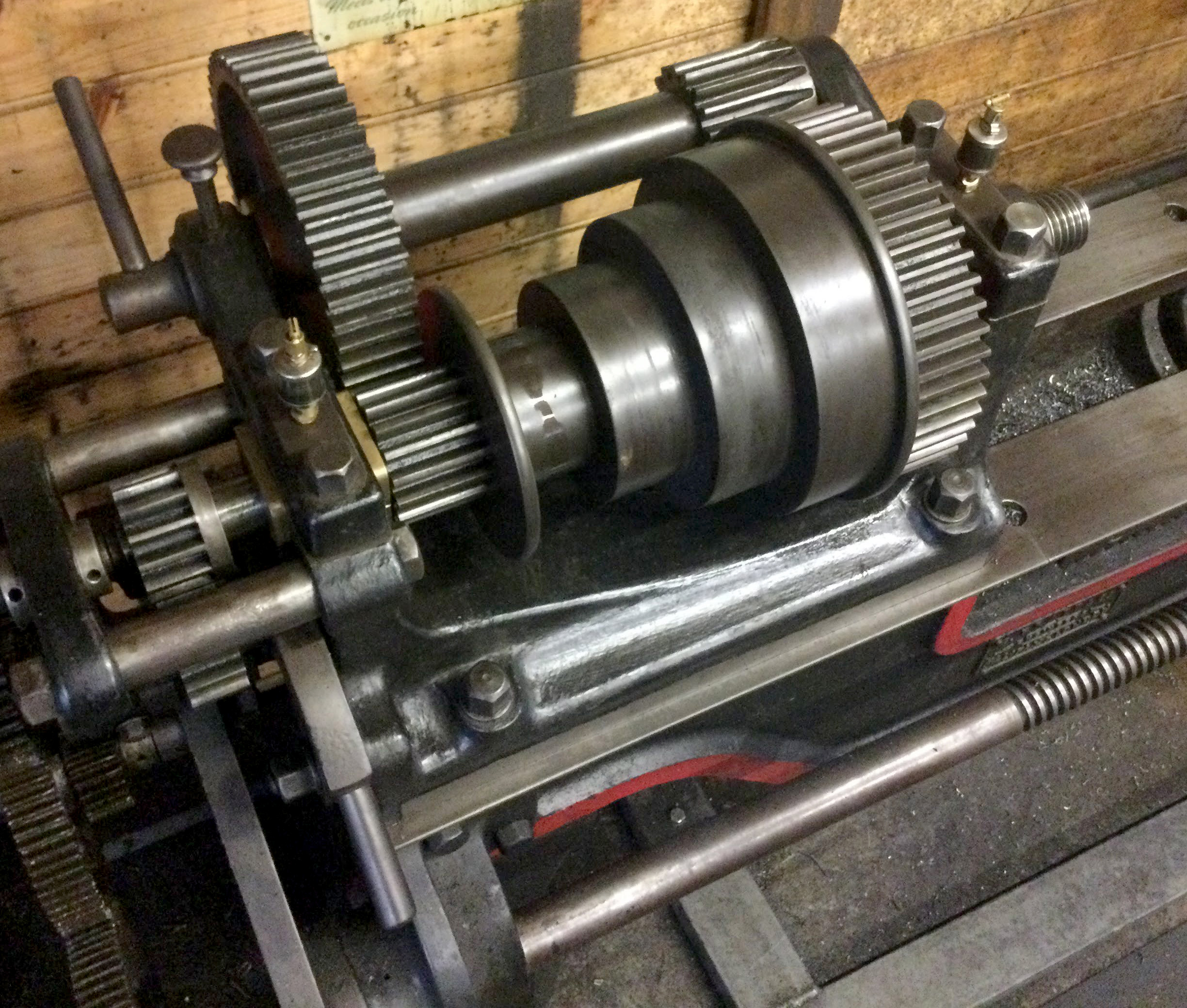
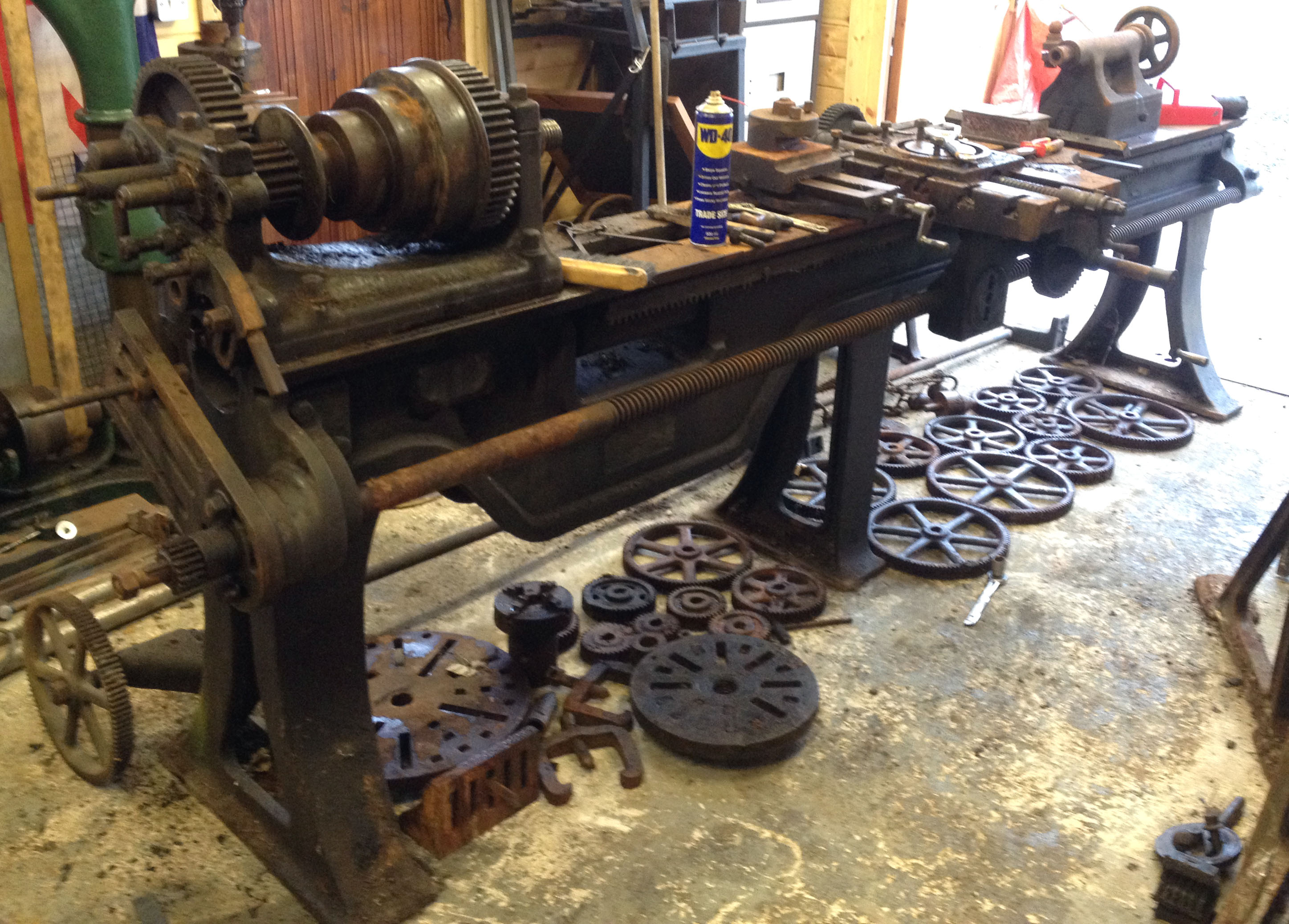
Backgeared and screwcutting Pratt lathe from circa 1890-1910. With a centre height of around 7 inches and a between-centres capacity approaching 7 feet this would have been one of the Company's larger models. This lathe was found in semi derelict condition and has been restored to full working order driven by a proper, wall-mounted countershaft system. Fortunately the lathe came complete with its originl very large set of screwcutting changewheels, steadies, chucks and faceplates. Note the huge detachable gap in the bed and (shown in the picture below when the lathe was found) a shaft to drive the power cross feed running along the back of the bed - a Victorian-era design used by many manufactures with examples shown here: a larger Spencer lathes, Pools Major, Mellor, Jones & Burton and Portass |
|
|
|
|
|
|
|
With only carbon-steel cutting tools available, the need for a massively built lathe was not such a great concern - hence the relatively skinny proportions of this example |
|
|
|
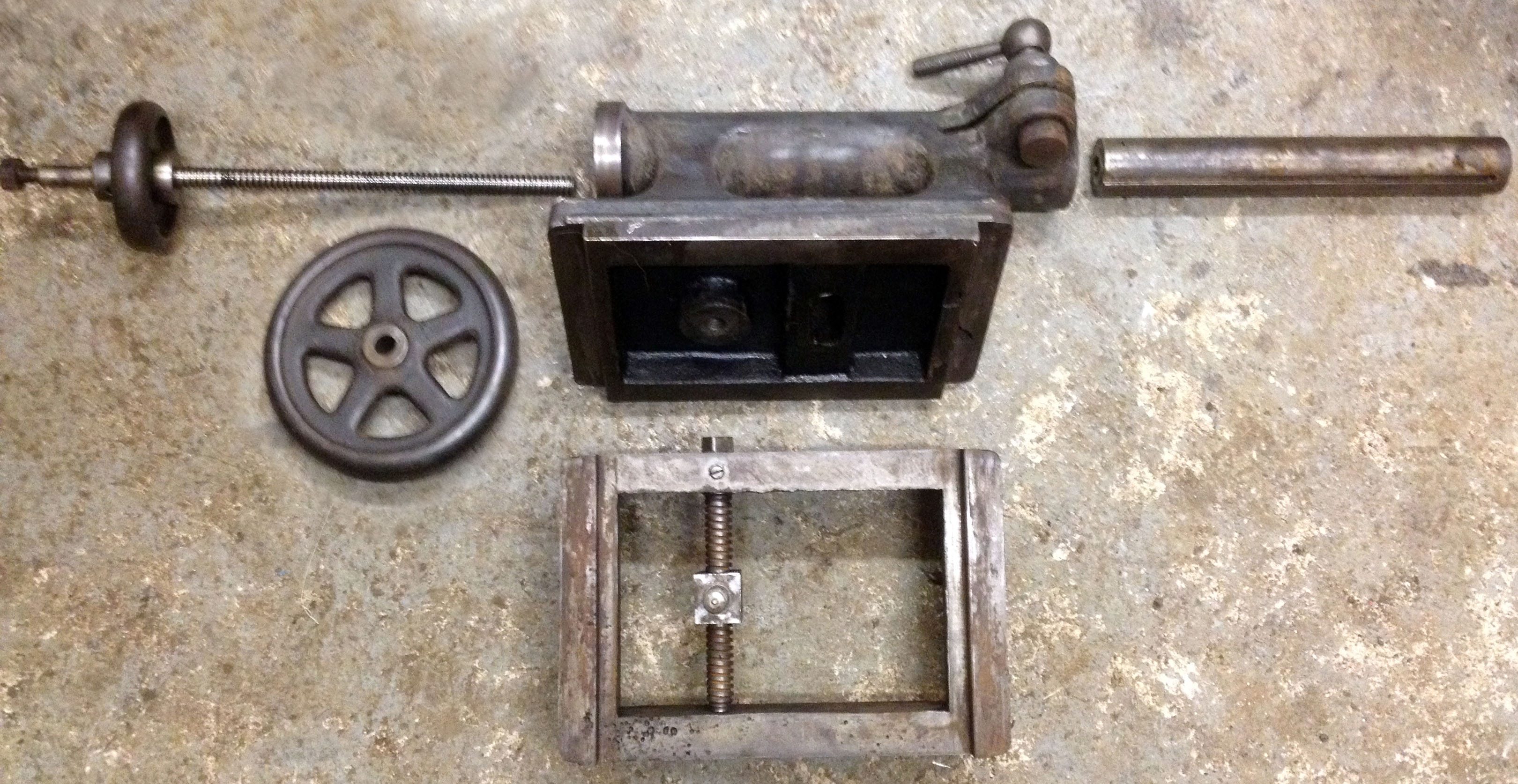
Tailstock: like the headstock this had a taper of an unknown type in both ends of the spindle - two dead centres that fitted being found with the lathe, together with adapter from the unknown taper to MT3 |
|
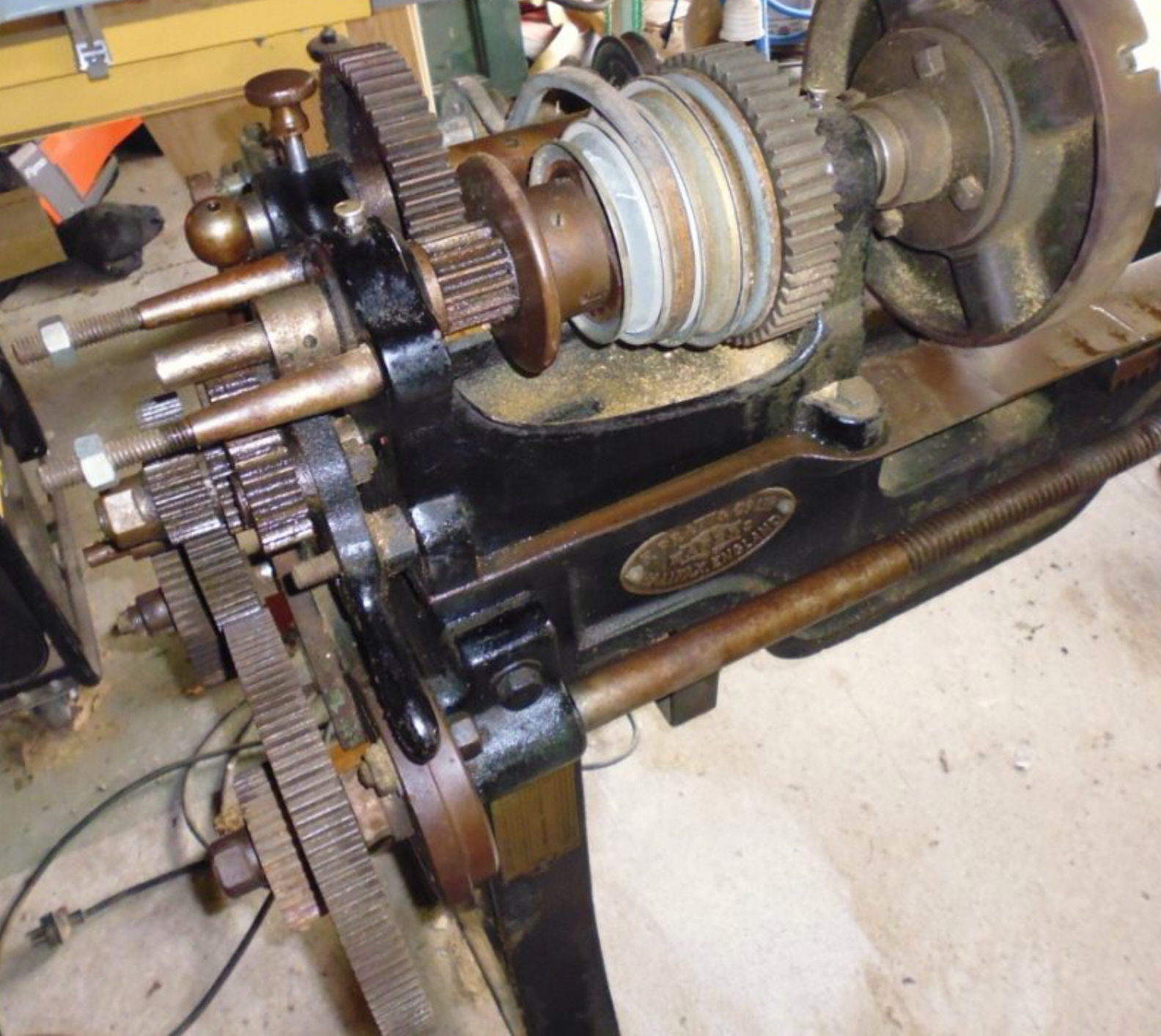
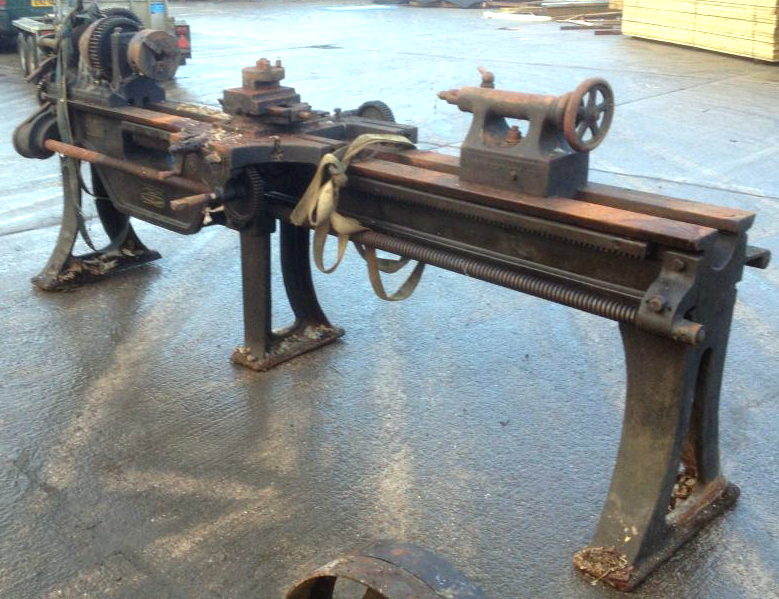
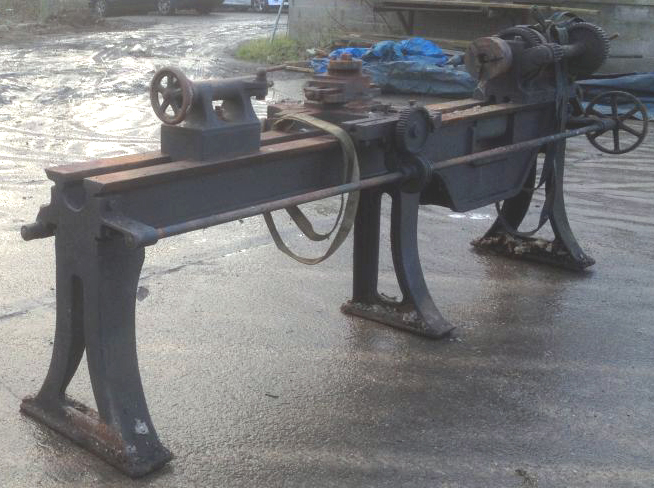
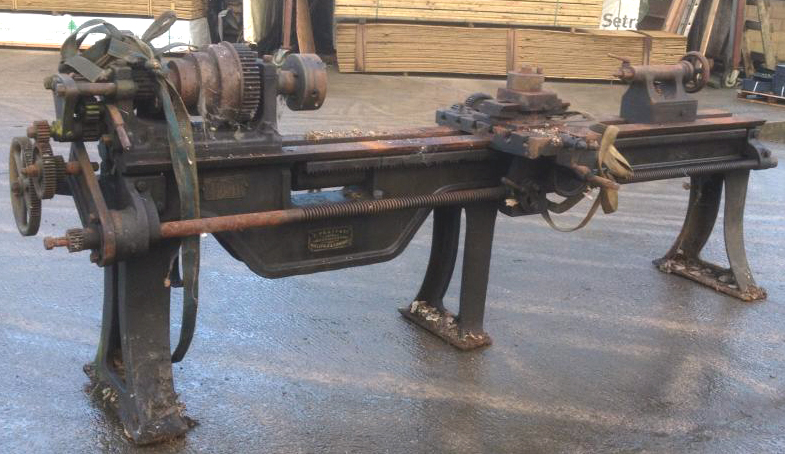
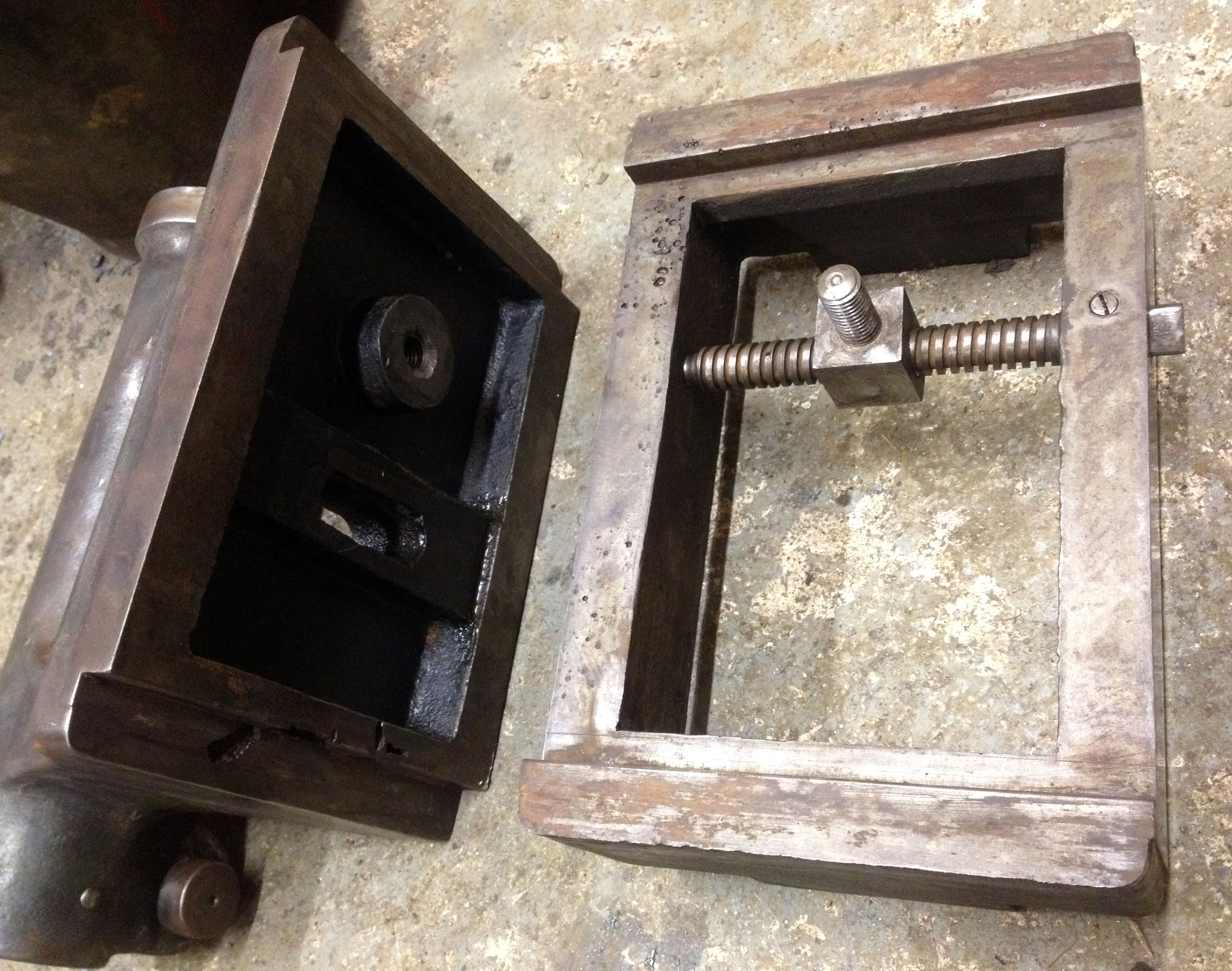
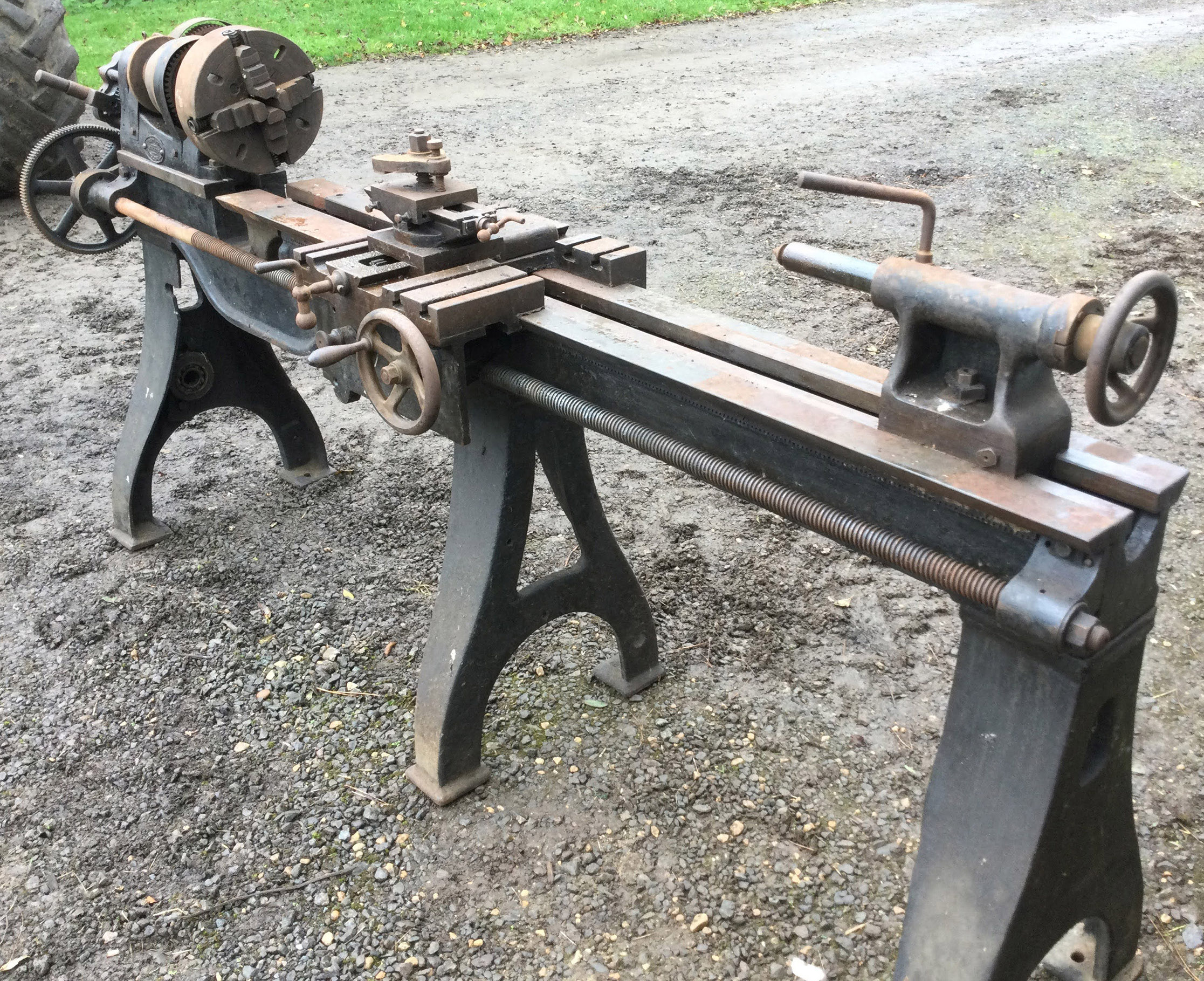
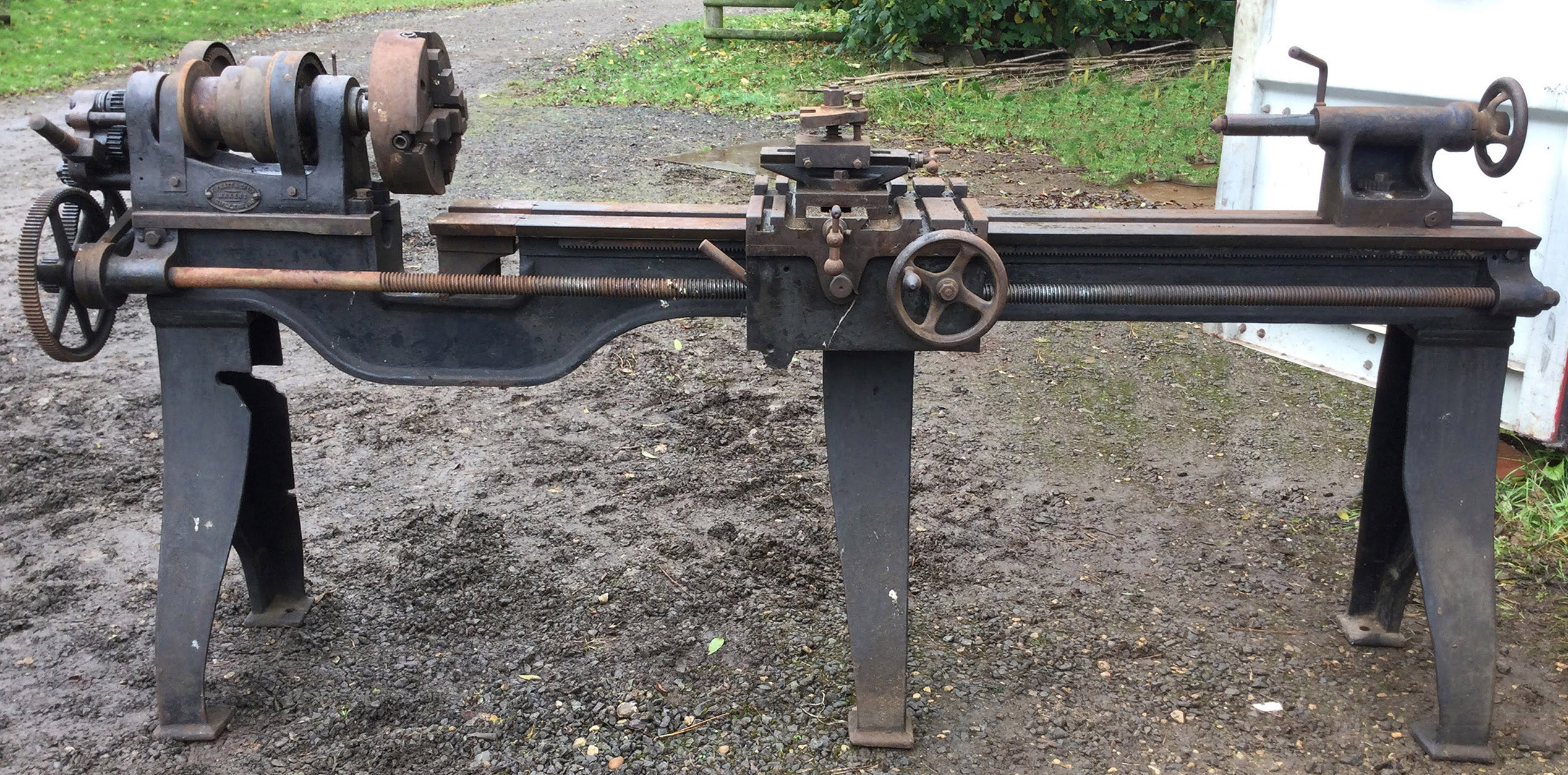
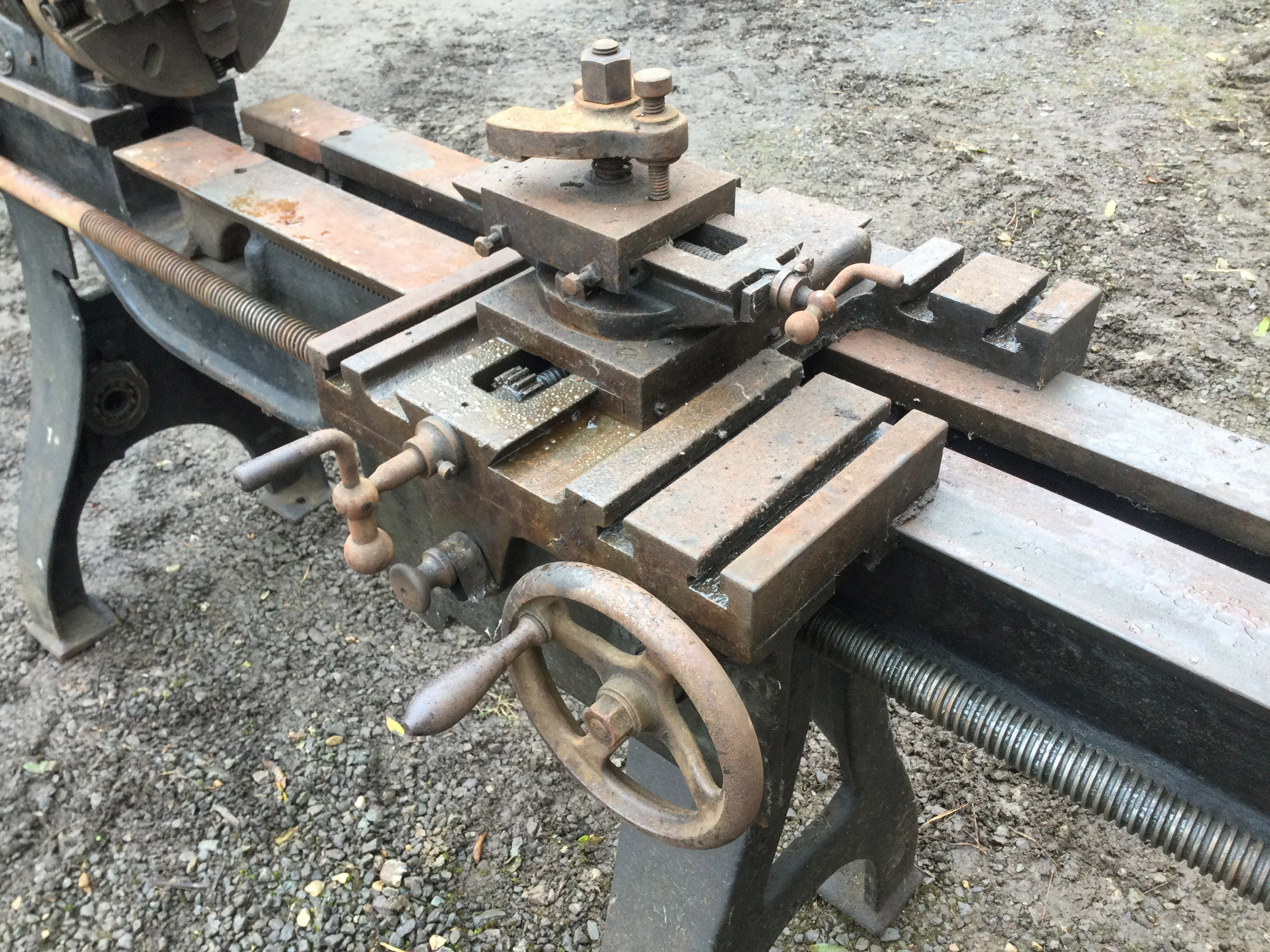
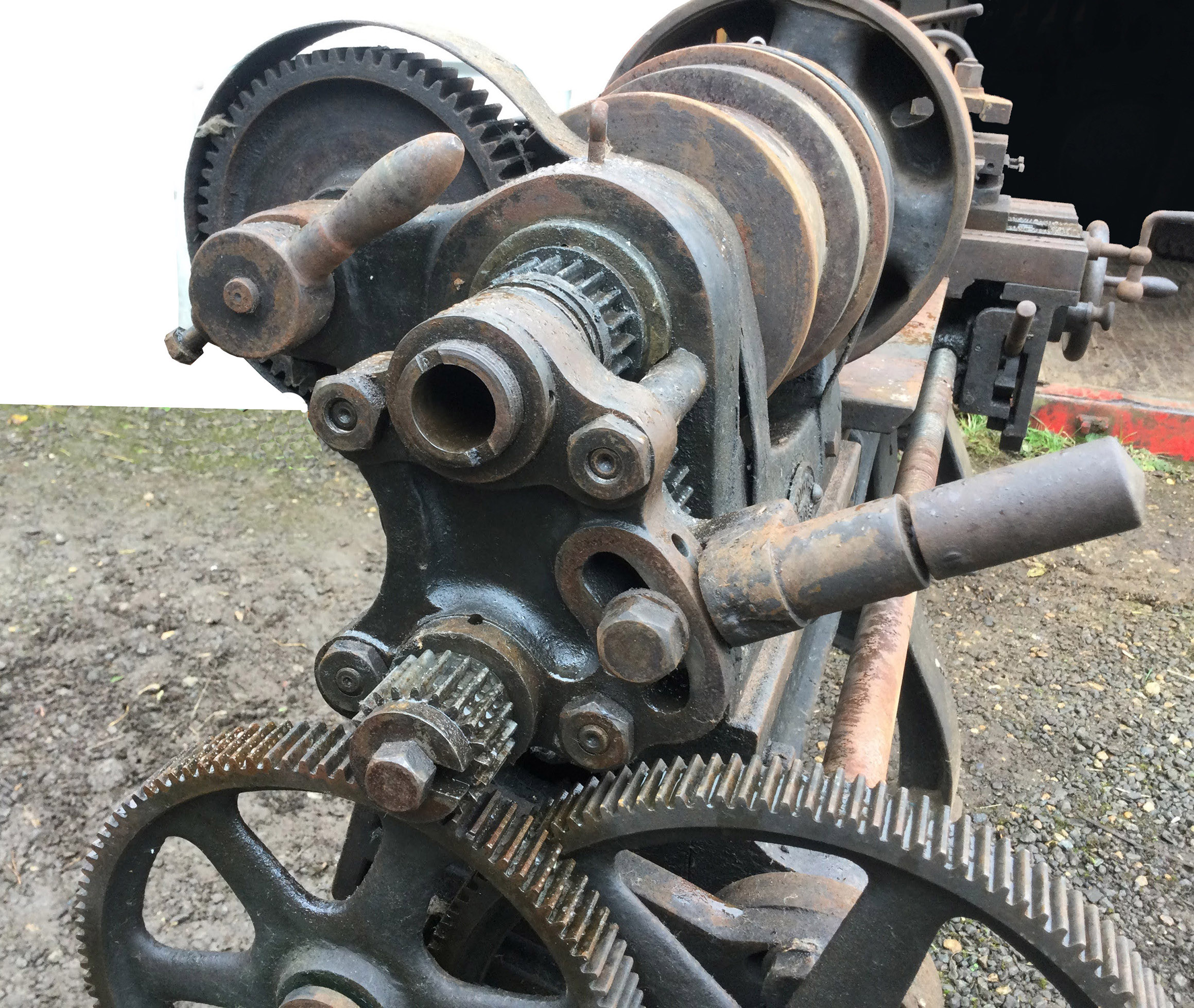
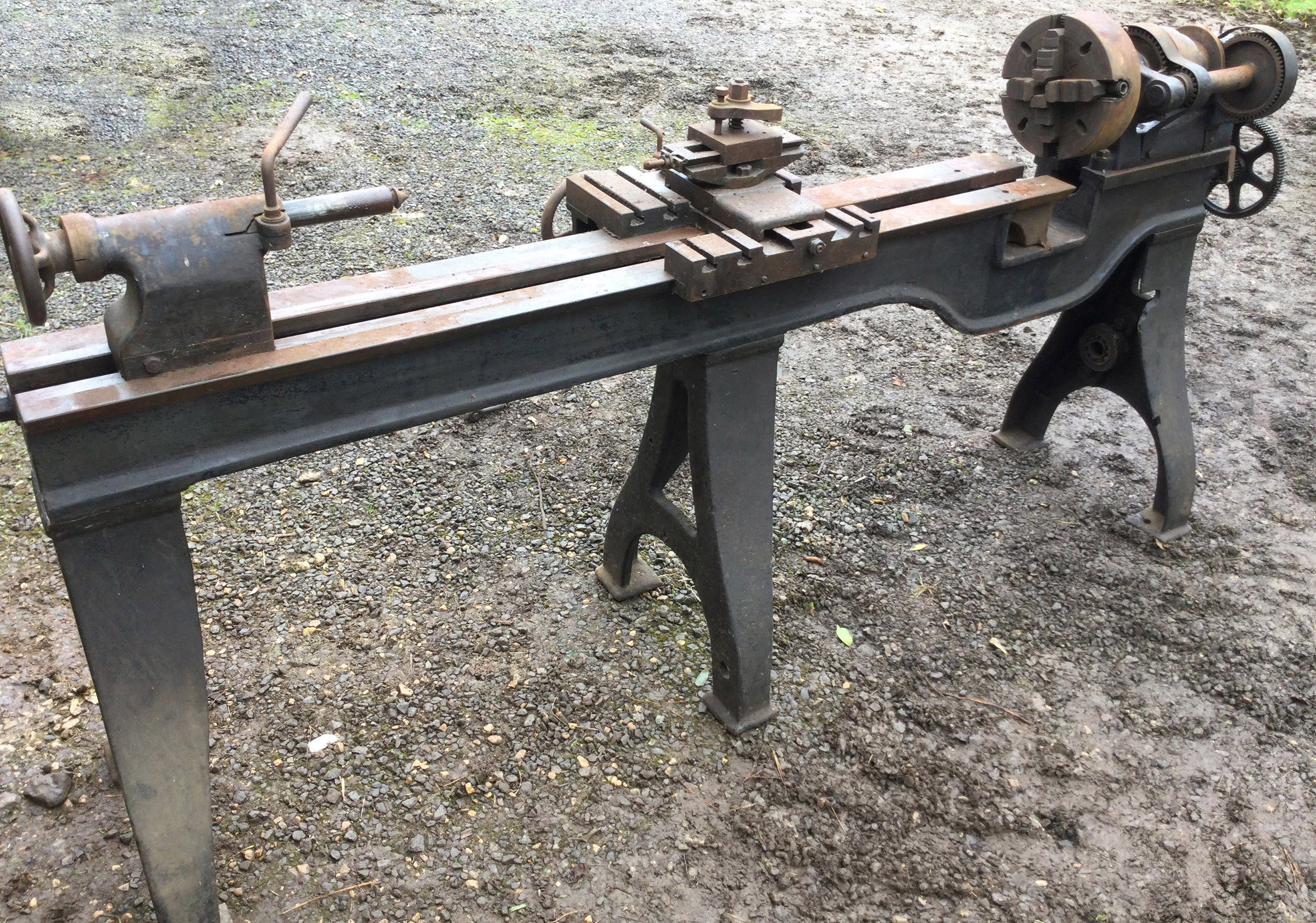
Recently discovered (2021) this Pratt lathe is smaller and slightly younger than the restored long-bed model newer and has a few points of interest: For its centre height it's rather long and able to take around 5 feet between centres; drive came, originally from a foot treadle, the bearings still being present in the legs; unlike the restored example, there is no rear-mounted power shaft, instead power to drive the cross slide is provided by worm-and-wheel gearing inside the apron, the leadscrew, of course, acting the worm; the spindle bore is 1", large for the era on this size of machine. Presently in storage, it will eventually be set up alongside the larger Pratt. |
||
|
Home Machine Tool Archive Machine-tools for Sale & Wanted |
||