|
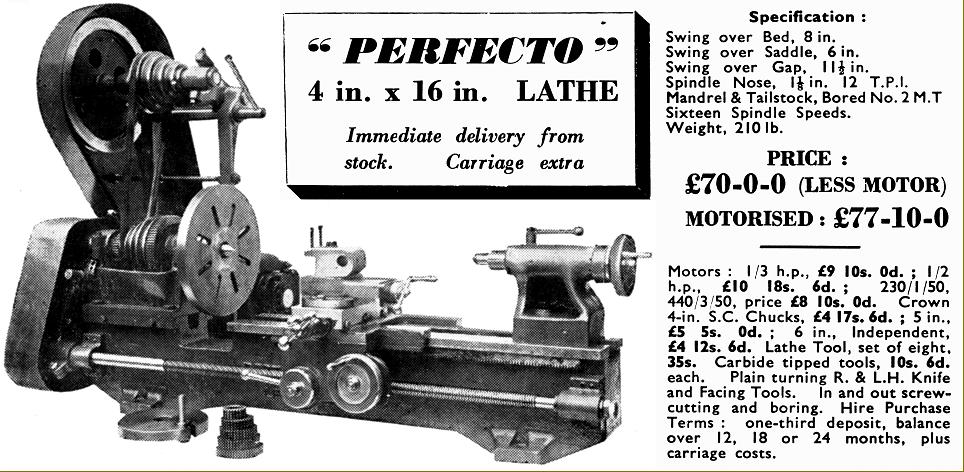
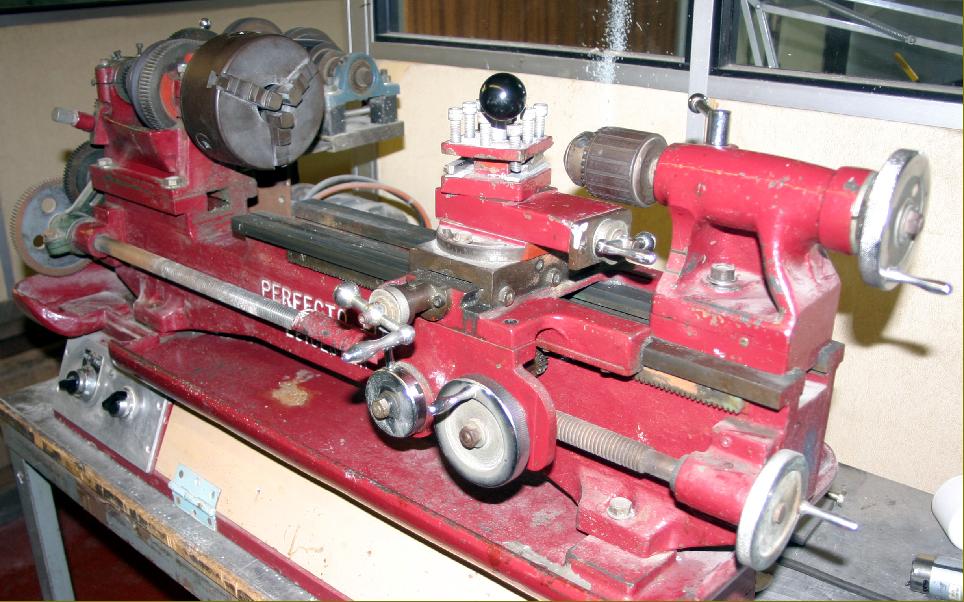
Although many small English-made lathes from the early 1930s onwards (Randa, Winfield, Grayson, Ideal, Portass, et al) were of uncertain origin, with many being re-branded, the specification, general appearance and detail fittings of the Perfecto 4-inch all suggest that this rare model was an indigenous product of the company and not just a bought-in type. Of 4" x 16" with a gap-bed, backgear, screwcutting and tumble reverse, it was manufactured during the late 1940s and early 1950s when it was offered by the well-known firm of Corbett's in Mansfield. Despite the all-V-belt drive (first fitted on a small lathe in 1932) the machine was, nevertheless, also available mounted on a stand with treadle drive (the inclusion in the chip tray on one example of a belt cut-out in line with the headstock pulley confirming this).
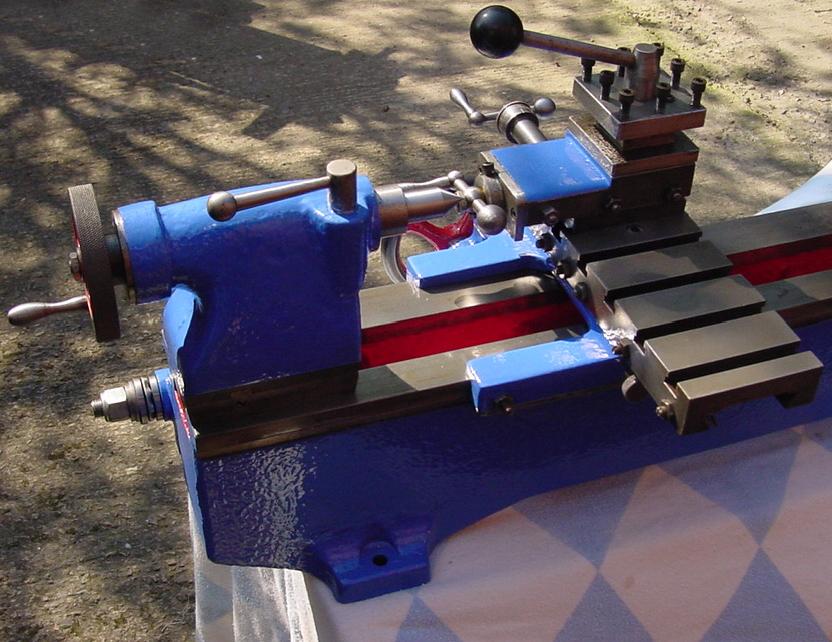
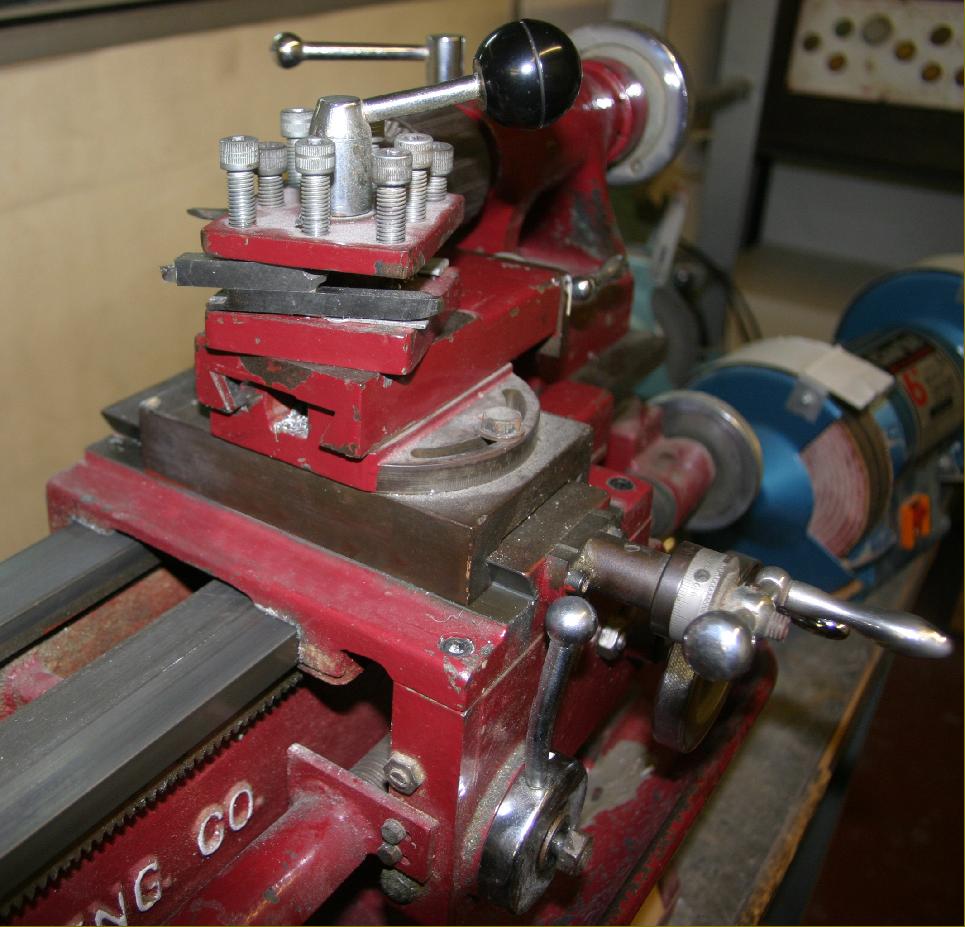
Of typical English design, with a flat top and "narrow-guide" vertical ways (just like a Series 7 Myford) the deep, heavily constructed bed had a usefully large gap and a saddle whose long wings would have given decent support to the cutting tool. Unfortunately the saddle-to-bed gib strip was on the rear, where it had to take all cutting forces; instead it should have been arranged at the front, leaving a solid contact at the rear.
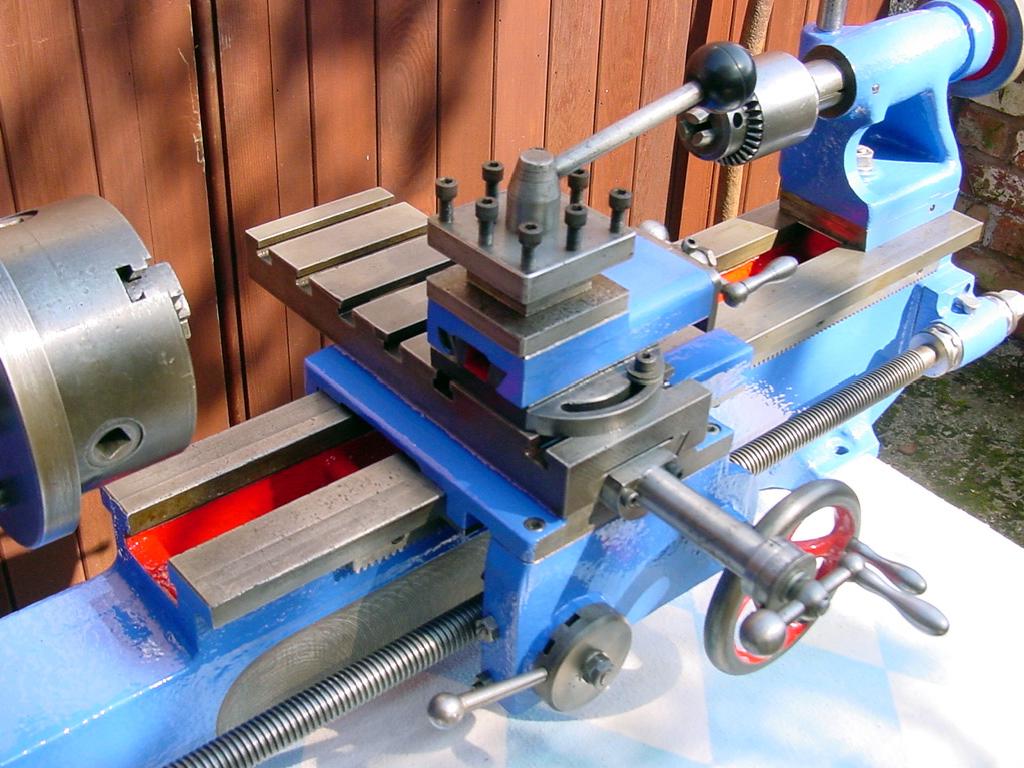
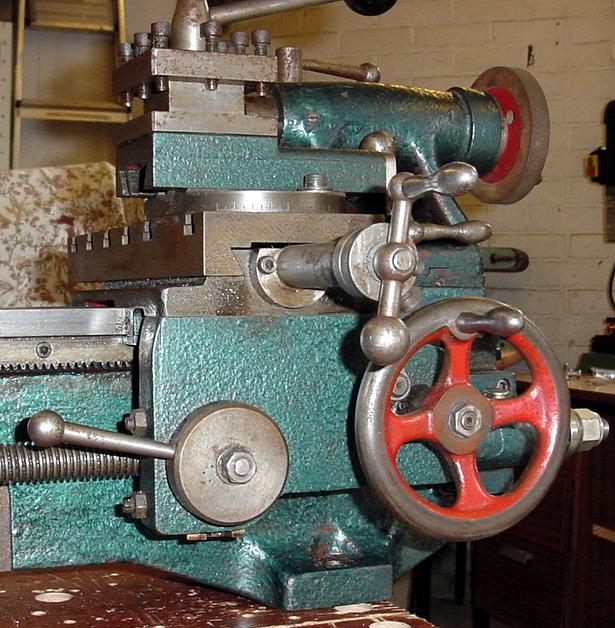
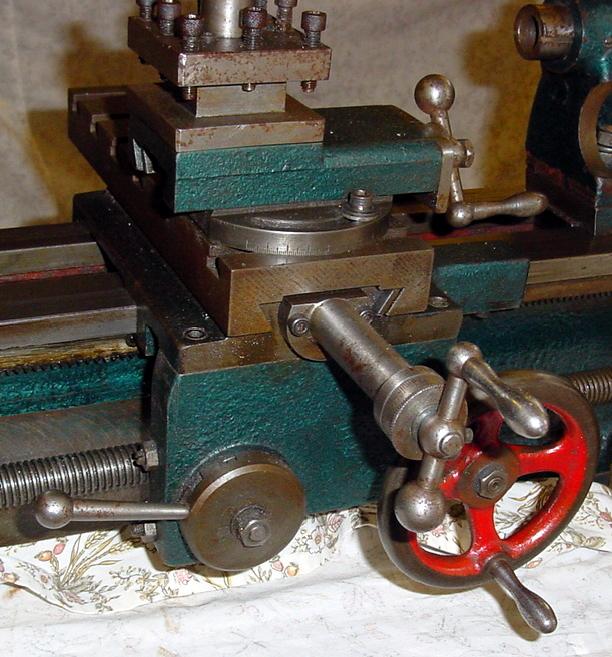
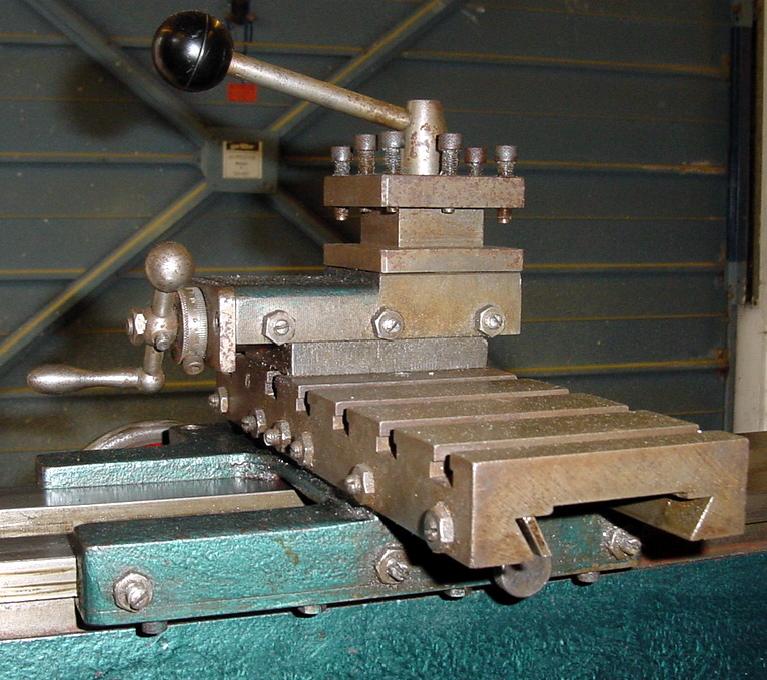
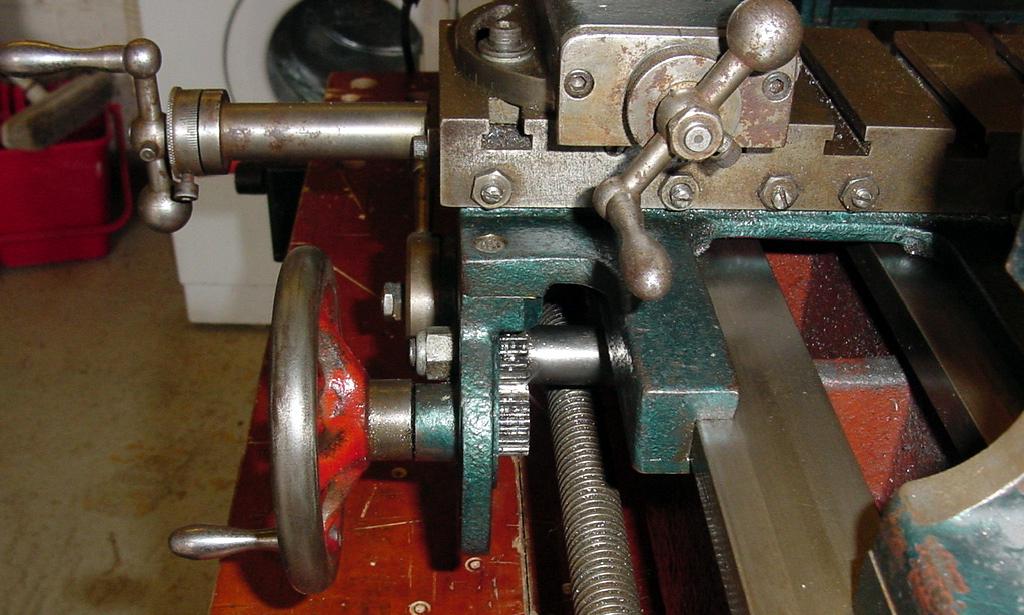
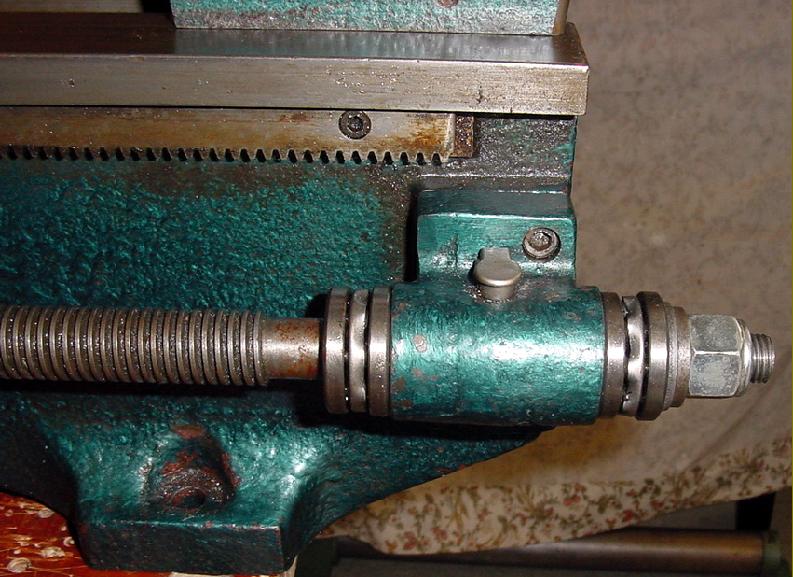
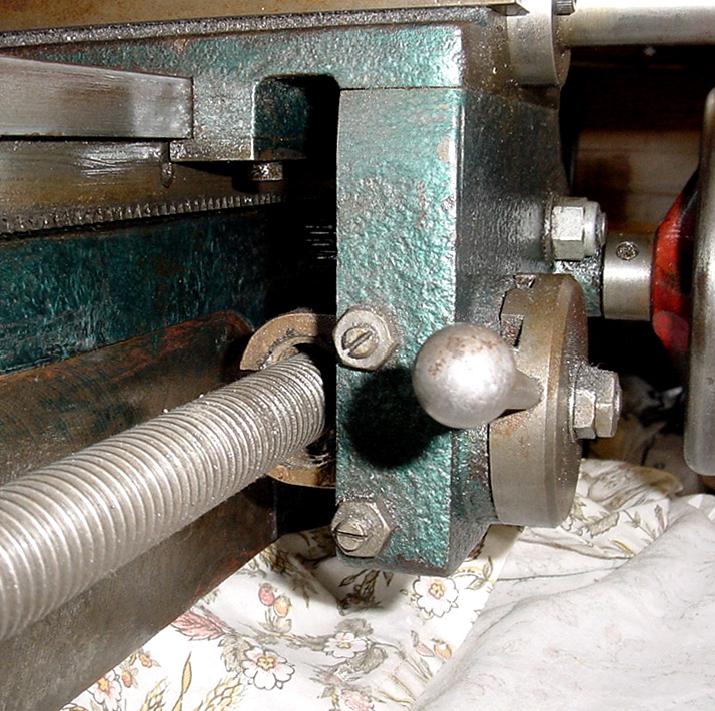
Of simple, single-sided construction the apron mounted a set of (exposed) rack-pinion reduction gears though the handwheel was of a good size and the leadscrew clasp nuts in bronze. The compound slide rest was conventional - though the top slide had only three gib-strip adjustment screws on a relatively wide spacing - with a generously sized, full-length cross slide equipped with 6 T-slots. A thoughtful touch was the fitting of a very long support bracket for the cross slide screw, an arrangement that gave a couple of extra inches of travel to use when working with a vertical milling slide. The micrometer dials zeroed - and had neat, knurled edges.
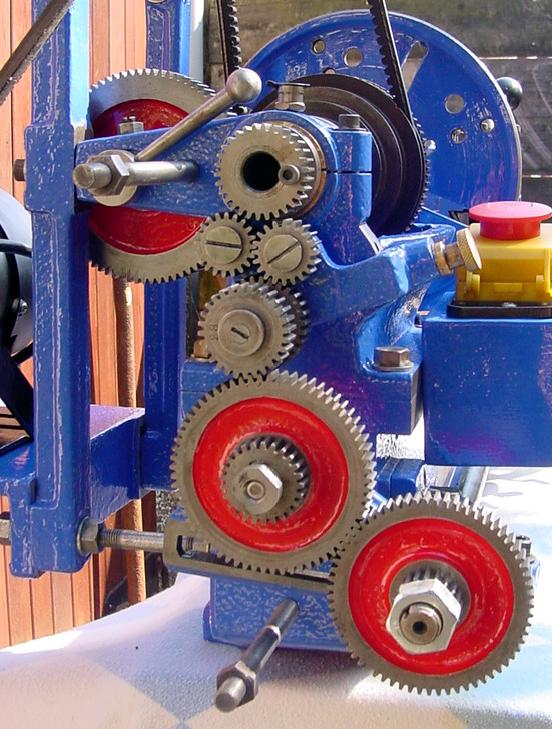
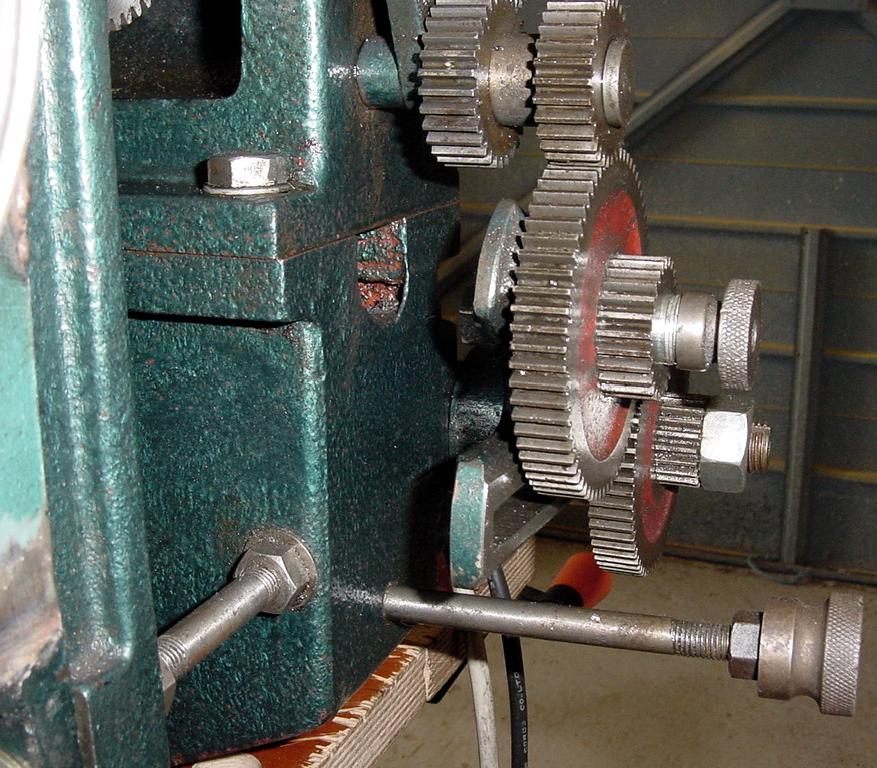
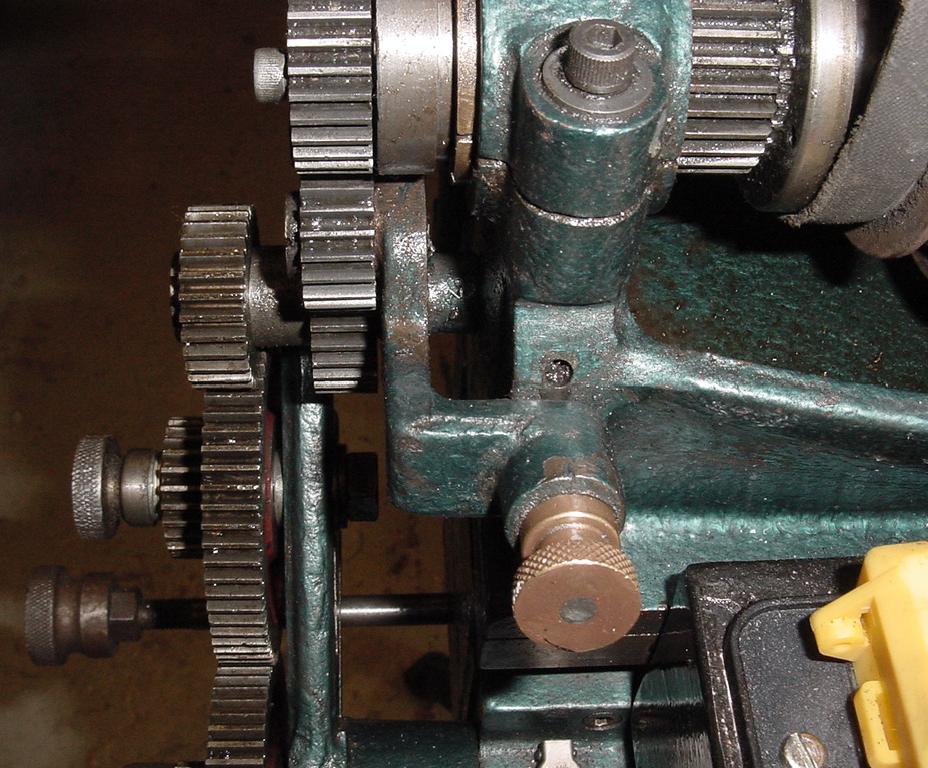
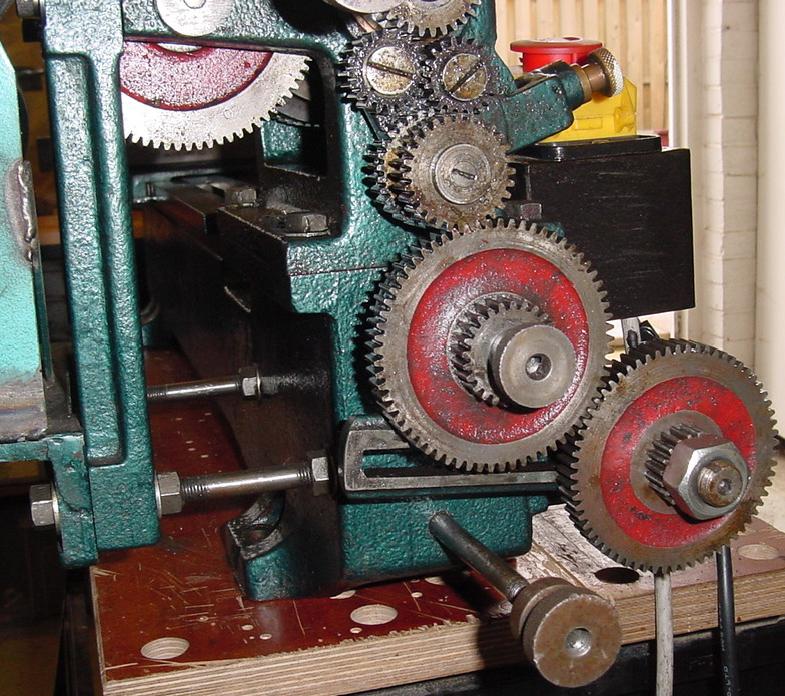
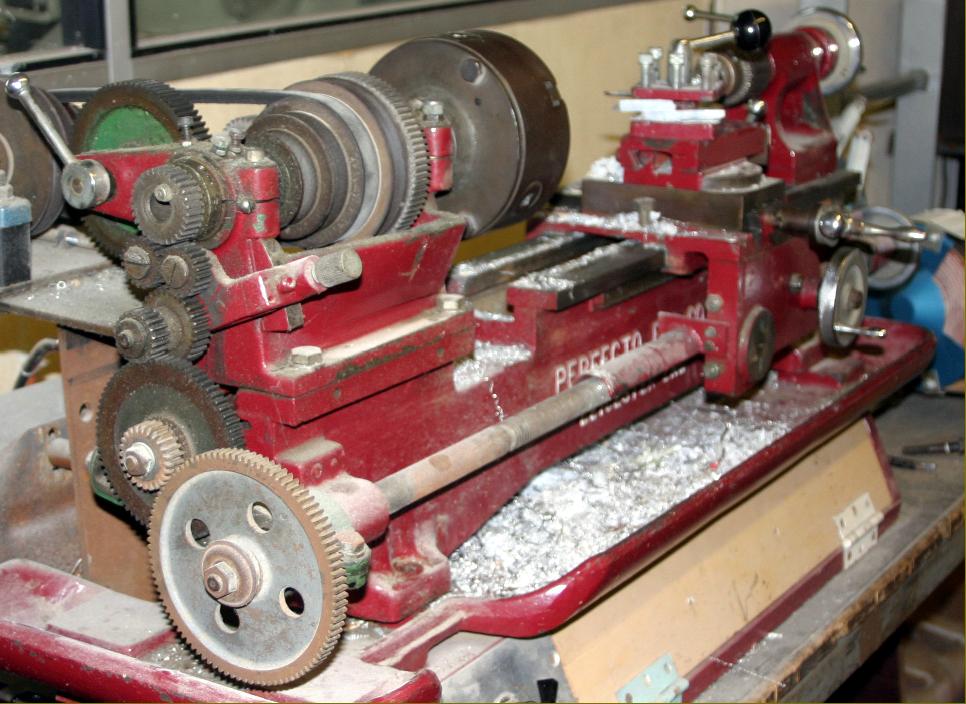
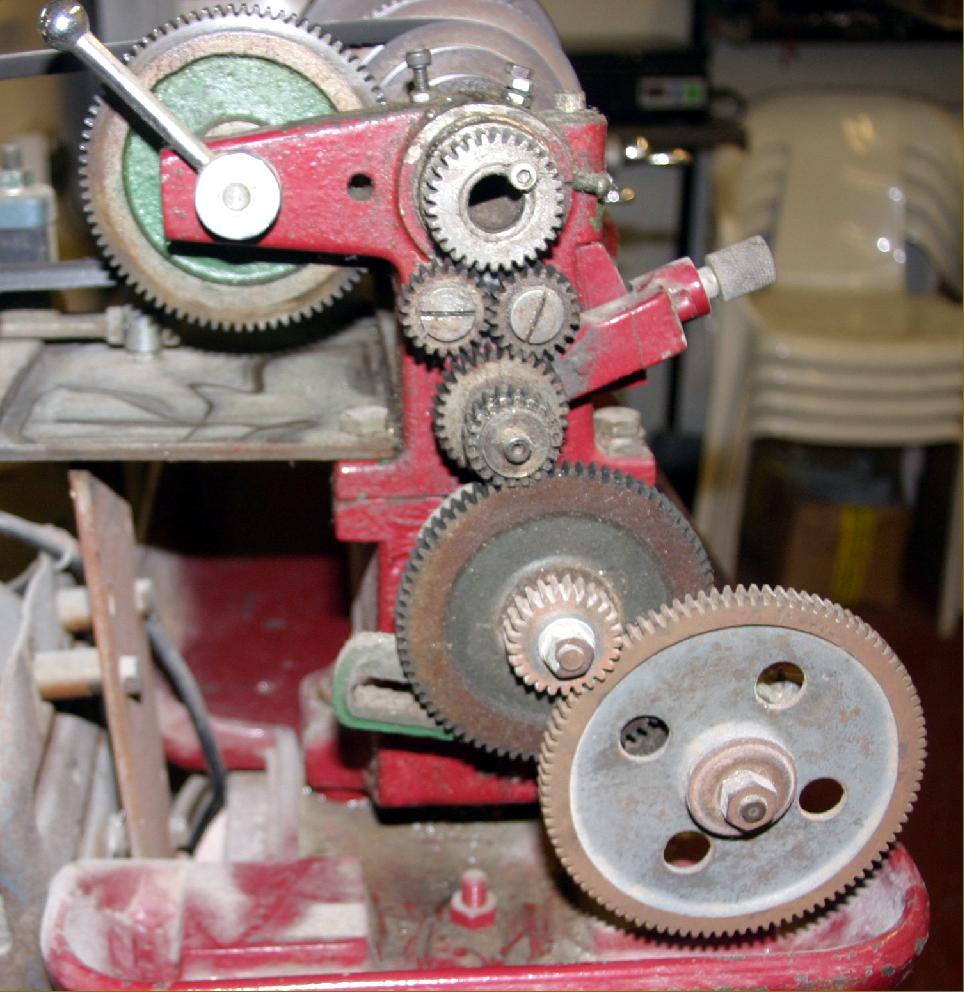
Screwcutting was through changewheels (identical in specification to those used on the Myford 7 Series lathes) carried on a V-shaped fork (an advance of the single-slot bracket often used on English lathes of this era) with the drive passing through a quick-to-use tumble-reverse mechanism with the indent spring loaded location.
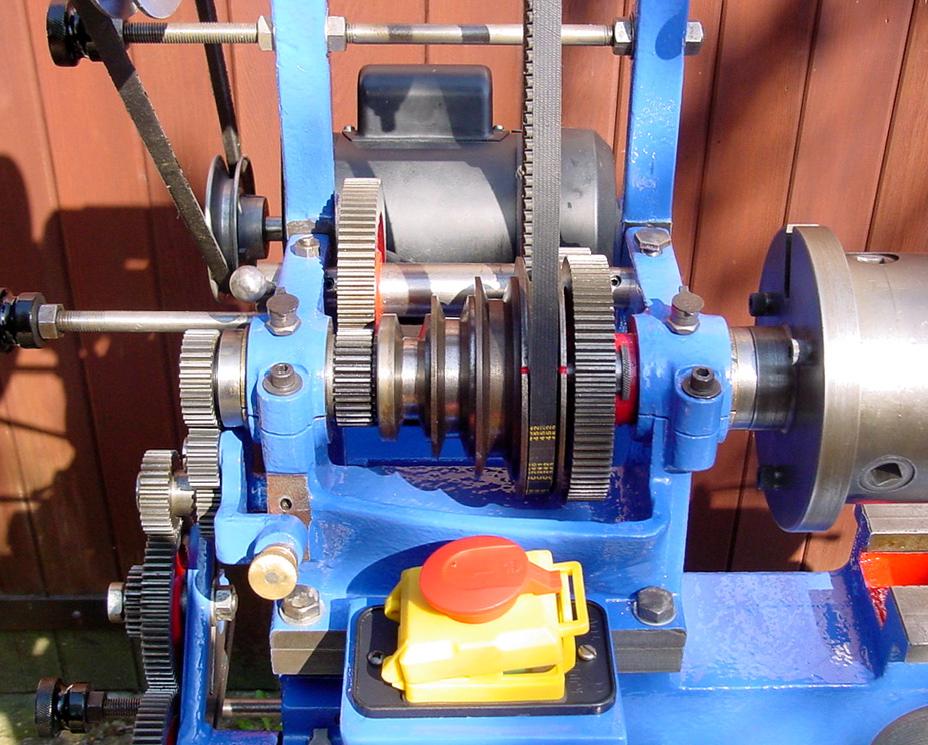
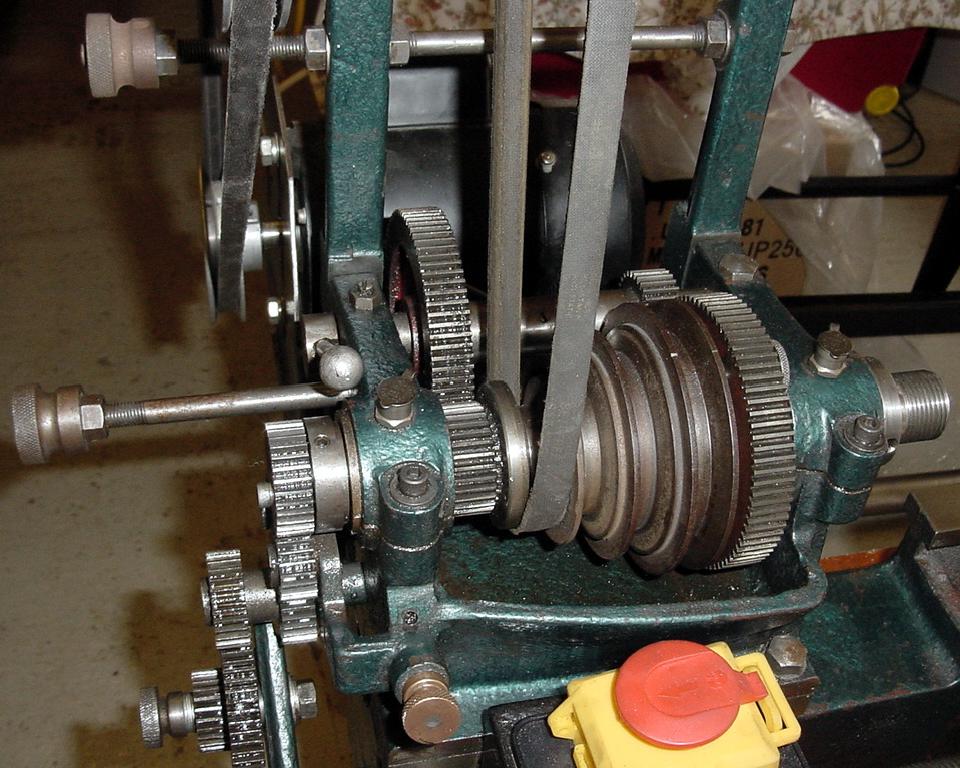
Bored through 0.5", the spindle ran in split bronze bearings and carried a Myford thread on its nose (1.125" x 12 t.p.i.) with a No. 2 Morse taper socket.
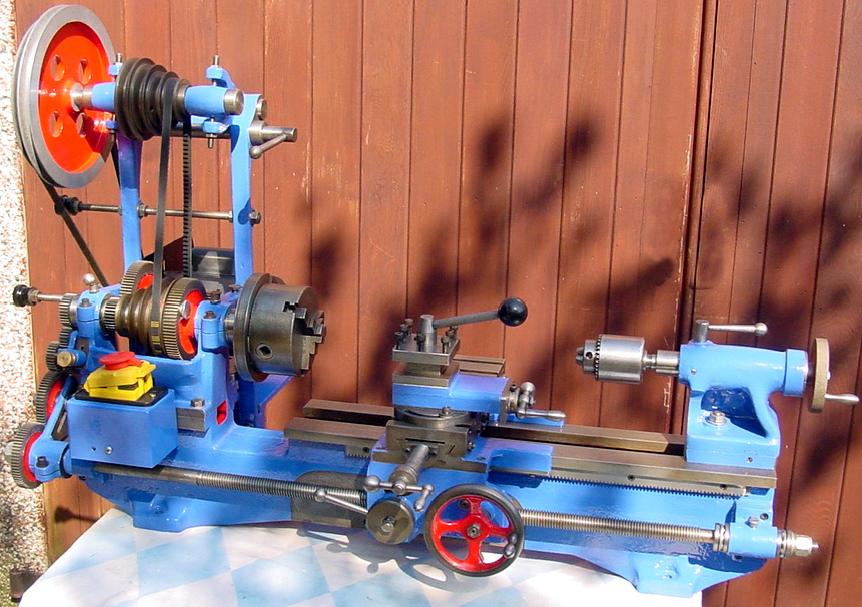
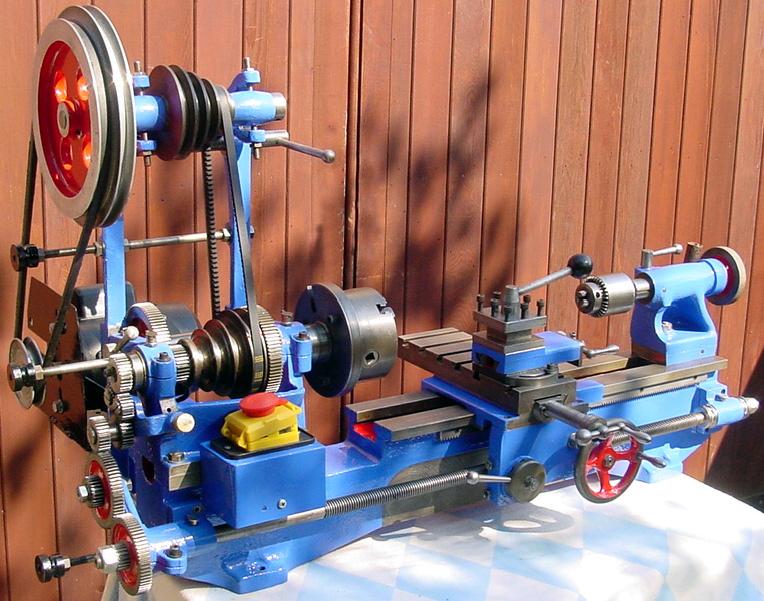
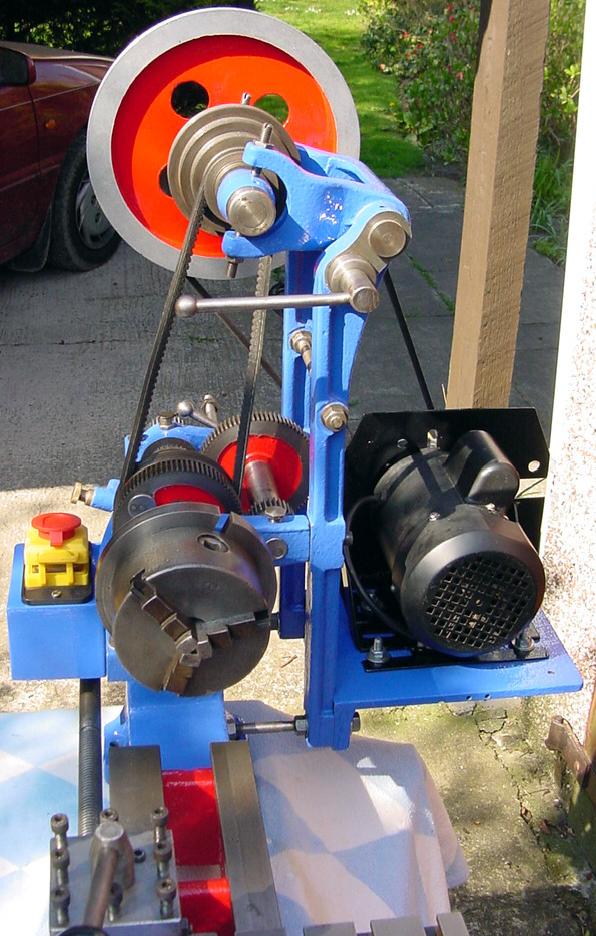
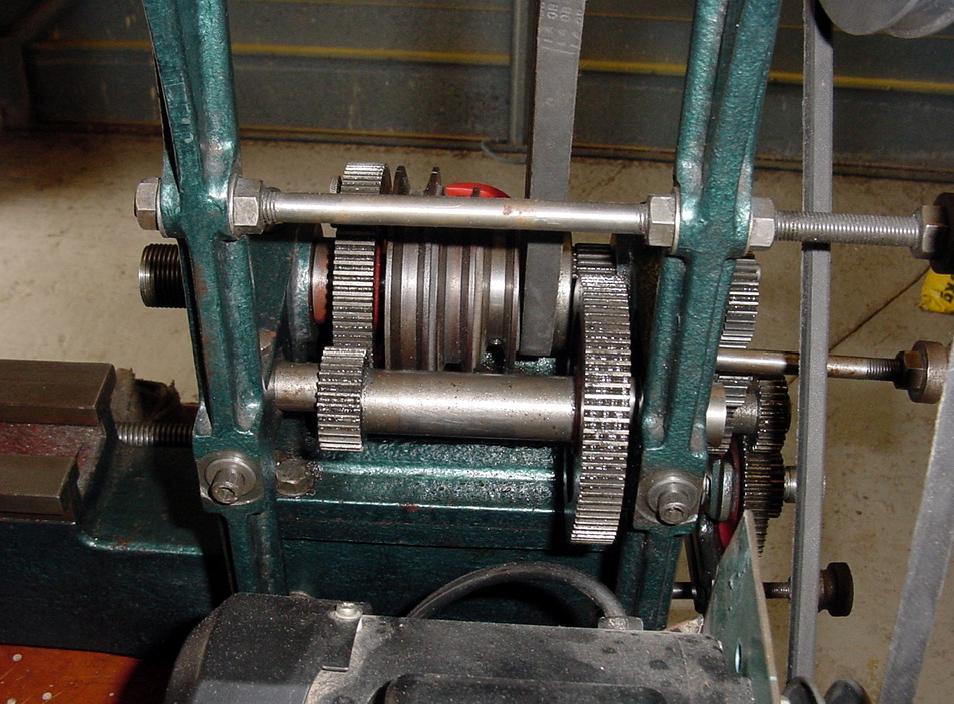
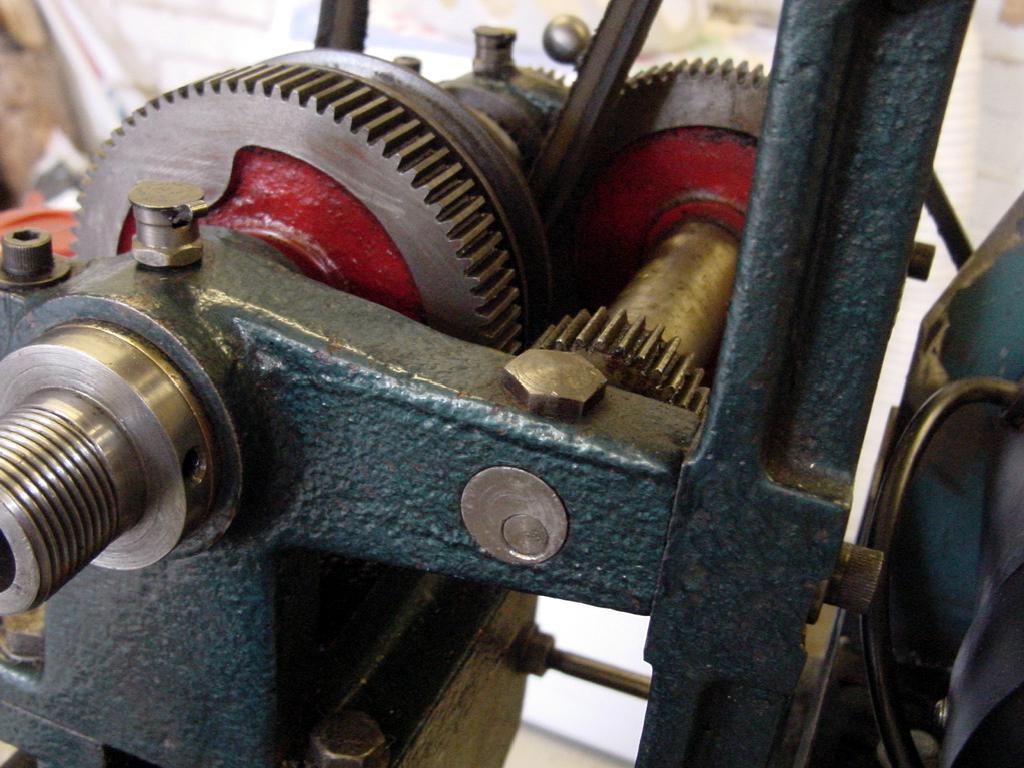
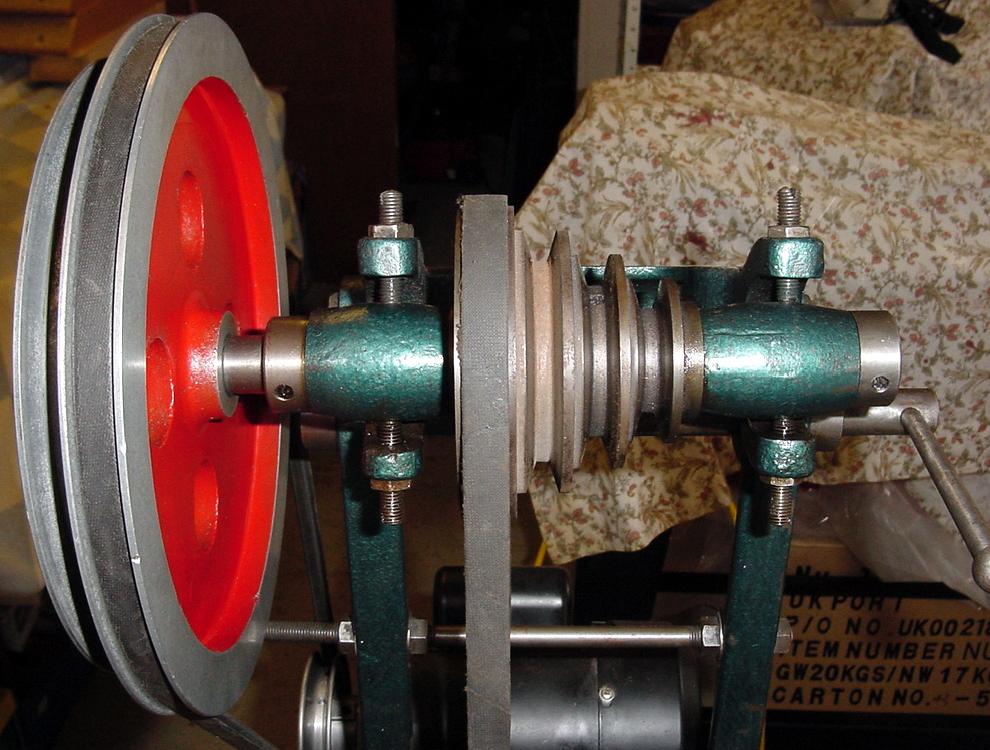
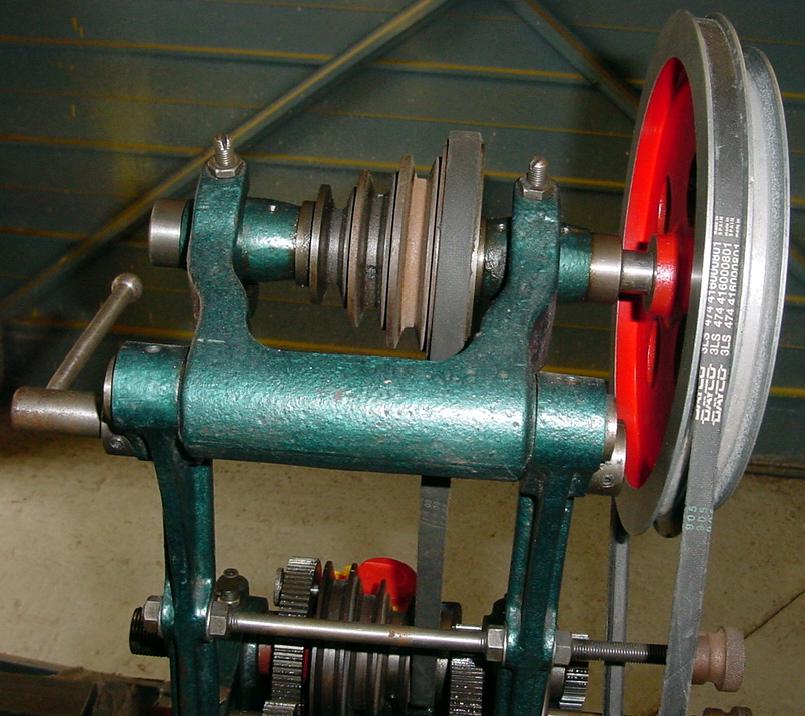
One example (in blue, shown below) has been found with a beautifully-made, cast-iron countershaft with slender uprights and simple but highly-effective floating bearings of the type seen on Atlas and Pools lathes. The unit bolted to the back of the bed and headstock with the end of the castings that formed the backgear support being machined flat and tapped to provide an upper mounting point. Combined with double pulleys on motor and countershaft, backgear and the 4-step V-belt drive on the main spindle a total of 16 speeds was available that would have spanned something like 25 to 1200 r.p.m. The lathe also has an especially long T-slotted cross slide - and, mysteriously, the maker's name machined from the bed..
|
|