|
 |
 |
 |
 |
 |
 |
 |
 |
 |
 |
 |
 |
 |
 |
 |
 |
 |
 |
 |
 |
 |
 |
 |
 |
 |
 |
 |
 |
|
|
|
|
|
|
|
|
|
|
|
|
|
|
|
|
|
|
|
|
|
|
|
|
|
|
|
|
|
|
|
|
E-Mail Tony@lathes.co.uk Home Machine Tool Archive Machine Tools For Sale & Wanted Machine Tool Manuals Machine Tool Catalogues Belts
Artisan Lathe Mk. 2 Artisan Home Page Artisan Continued Rocky Mountain Steel Products Mk.3
Bearing witness to the fact that the lathe must have remained in production some time years - and sold in reasonable numbers - were both the number of changes made to its specification and incorporated into this version and the continued development by Rocky Mountain Steel as a Mk. 3. Alterations incorporated in the Mk. 2 included an increase in the centre height to just under 6-inches, a variety of longer beds, different stands (including a cast-iron version closed in at the front but open at the rear) and an altogether more fully-developed version with a proper compound slide rest with the cross-slide ways changed to a more modern V-type, the top-slide base graduated in degrees and a T-slot provided to hold a standard-type, lantern toolpost. Zeroing micrometer dials were fitted to the top slide, cross slide and carriage handwheel - with the latter featuring a vernier scale - a fitting seldom seen on even the most expensive toolroom lathes. The saddle-to-bed fit was adjustable by tapered gib strips and the unusual "carriage-gap support" was given a much more substantial bronze foot (rather than the bolt used on the early lathe). The leadscrew had a double start, left-hand Acme-form 2 t.p.i. thread.
|
|
|
|
|
|
|
 |
|
|
|
|
|
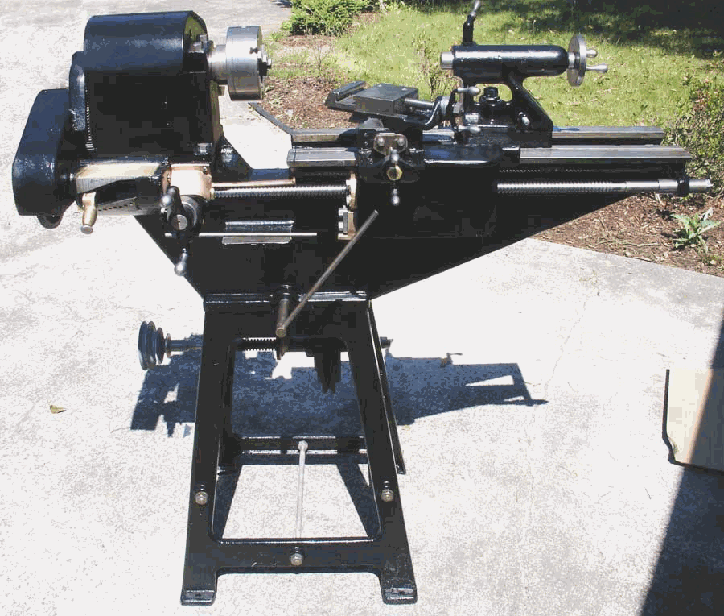
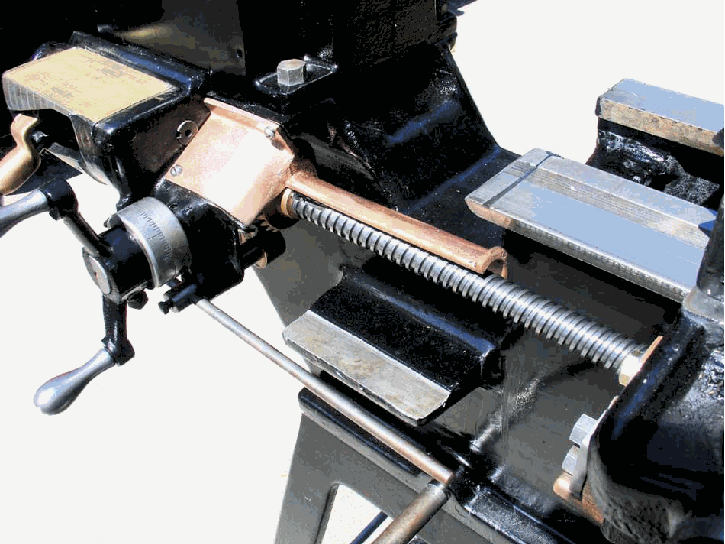
This interim model Artisan lathe, but before the take-over by Rocky Mountain Steel Products, has been converted by its owner, Jerry Biehler, to V-belt drive - but otherwise appears completely original. Although the unusual screwcutting arrangement was retained, the leadscrew thread became a twin-start type of finer pitch; the guard over the bevel gears for the hand traverse of the carriage was extended to partially cover the leadscrew and, to better support the carriage as it ran over the permanent gap in the bed, a modified bronze thrust pad was fitted to the left-hand face of the apron. However, the most significant and important difference was the fitting of a proper compound slide rest and clearly engraved micrometer dials.
|
|
|
|
|
|
|
 |
|
|
|
|
|
No expense spared: the combined bevel box and leadscrew guard was cast in bronze
|
|
|
|
|
|
|
 |
|
|
|
|
|
|
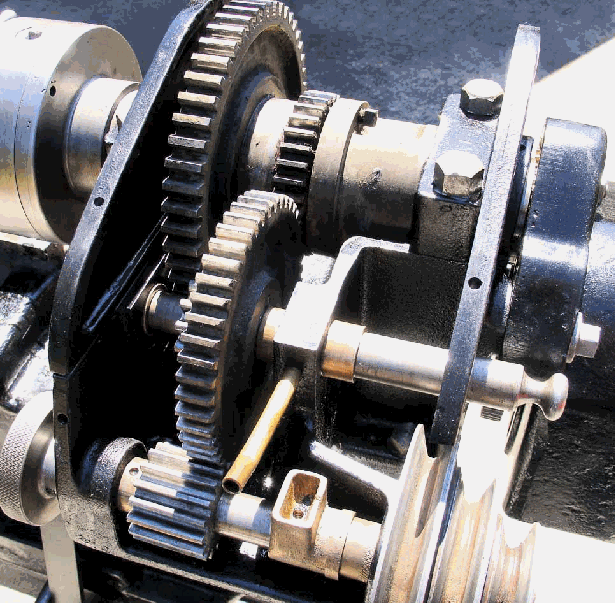
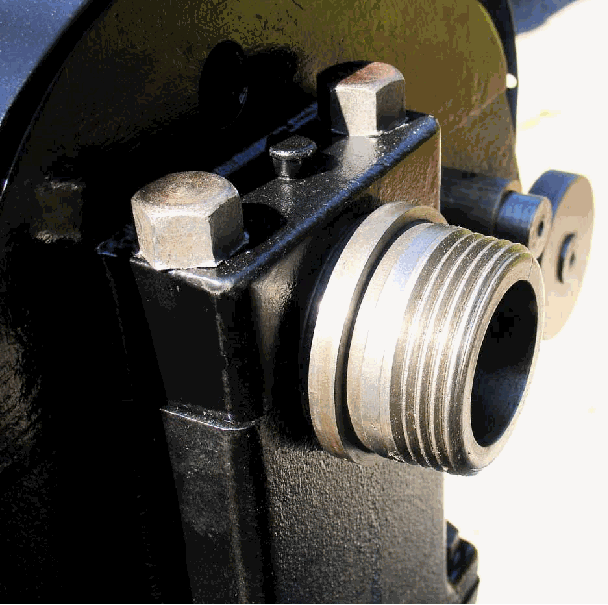
The headstock and its backgear appear unchanged from the earlier model
|
|
|
|
|
|
|
 |
|
|
|
|
|
|
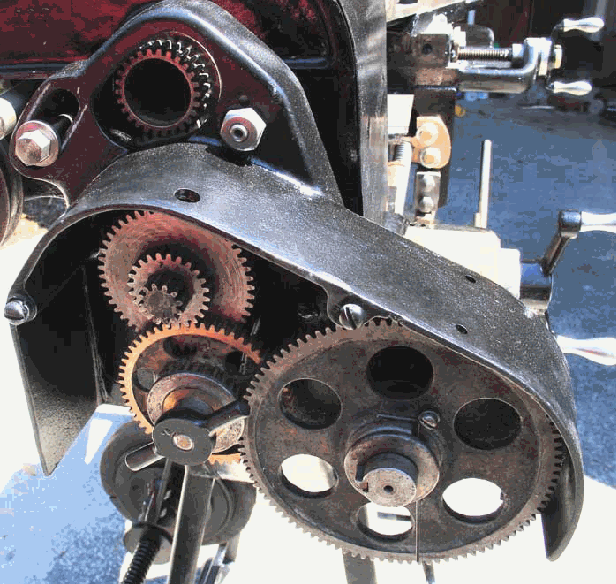
The changewheels retained the complex system that utilized the inner part of the cast-iron gear guard. gear guard fitted with both fixed and sliding studs.
|
|
|
|
|
|
|
 |
|
|
|
|
|
|
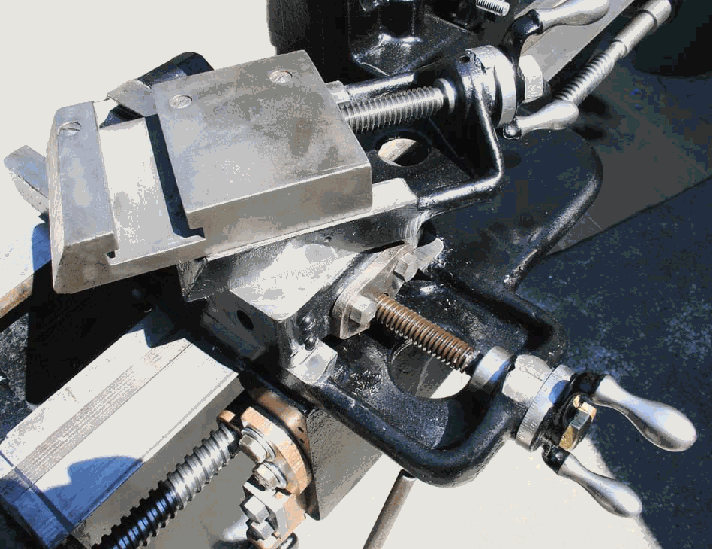
Following traditional Artisan practice the compound slide rest was of unusual construction with the ordinary (instead of square) thread exposed to swarf and dirt - but generously-proportioned bronze nuts for them to run through. As the top slide moved to its fully-forward position the design meant that most of its deep T-slot was left unsupported and (if the tool dug in) in danger of being snapped off.
|
|
|
|
|
|
|
 |
|
|
|
|
|
|
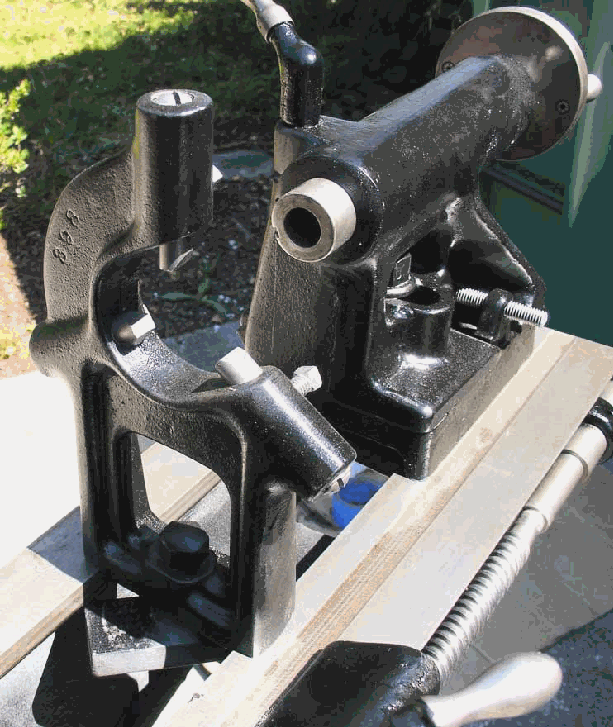
Fixed steady with screwdriver-slot adjustment of the support fingers
|
|
|
|
|
|
|
 |
|
|
|
|
 |
|
|
|
|
|
|
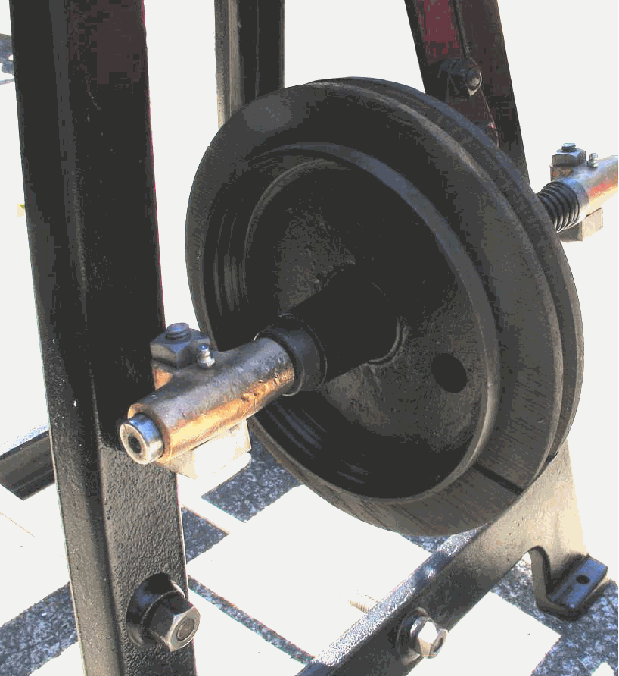
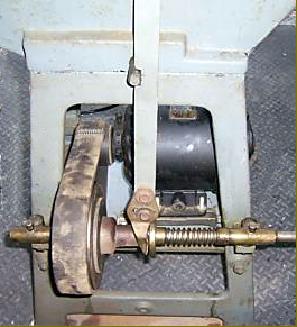
The drive flywheel was supported in long bronze bearings
|
|
|
|
|
|
|
 |
|
|
|
|
|
|
|
|
 |
|
|
|
|
|
|
|
|
|