Can you help with Qualos machine tool sales or technical literature?
If so, the writer would be very pleased to hear from you.
Other Australian-built Machine Tools
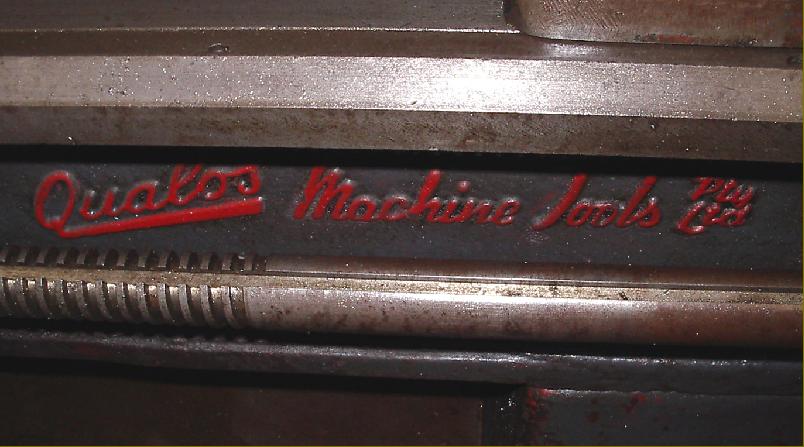
Qualos was founded during W.W.2 by two men: John L. T. Pring, who took care of administration and marketing skills, and Mr. Tod Waite as engineer , the Company's first name being Quality Engineering and Manufacturing Pty. Ltd.. Located at 89-101 Lothian Street, in the Melbourne suburb of North Melbourne, they occupied a large, brick-built single-story building - which still stands. Immediately after WW2, the Company's advertisements advised that they were also the distributor for Nuttall lathes in the State of Victoria; being larger than the Qualos, the two ranges would have been complimentary. On the 21st of May, 1946, a separate marketing Company was formed, Qualos Sales Pty. Ltd., with John Pring as Managing Director and operating from the same North Melbourne address (at the same time it is likely that the manufacturing company became Qualos Machine Tools Pty. Ltd.). During W.W.2, Qualos lathes became well known in Australia and the names of both the new Companies reflected this. Qualos Sales Pty. Ltd. began to diversify their marketing operation and, from 1955 onwards, began to import (at first mainly European) machine tools and in 1960 became sole agent in Australia for the Mitutoyo Corporation. In 1974 the name was changed to M.T.I. Qualos Pty. Ltd. and still exists today specialising in importing, selling and providing spare parts, maintenance and repairs for quality tools, acting as agents for and manufacturing, under licence, clear PVC swing and strip doors and vertical rolling doors. However, another element of the organisation appears to be Fesca Pacific Gears Pty Ltd.; this organisation had previously traded as Fesca Qualos Gears, a company that itself had resulted from a merger of the Fesca Gear Company and Qualos Gears, the latter being known earlier as the Qualos Machine Tool Company. It is not known at the time of writing exactly when Qualos Machine Tools Pty. Ltd. ceased operations, but it must have been around 1967.
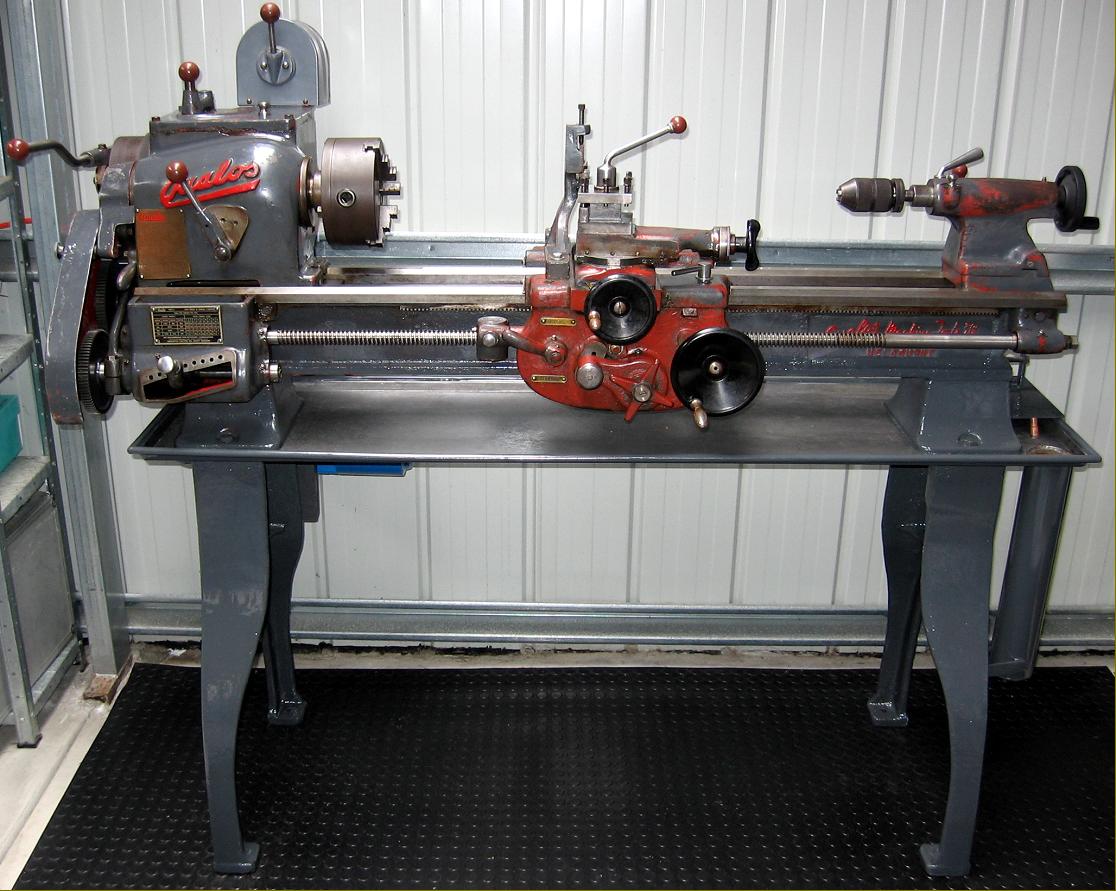
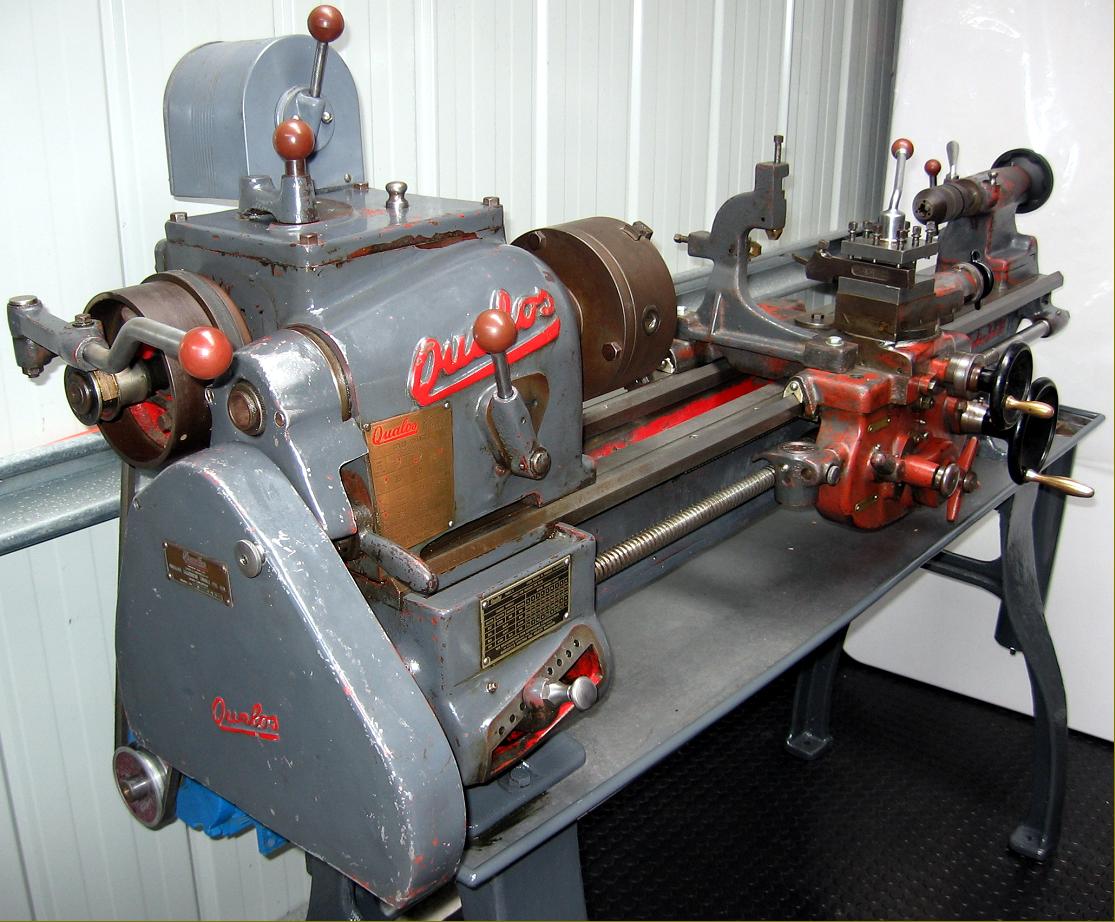
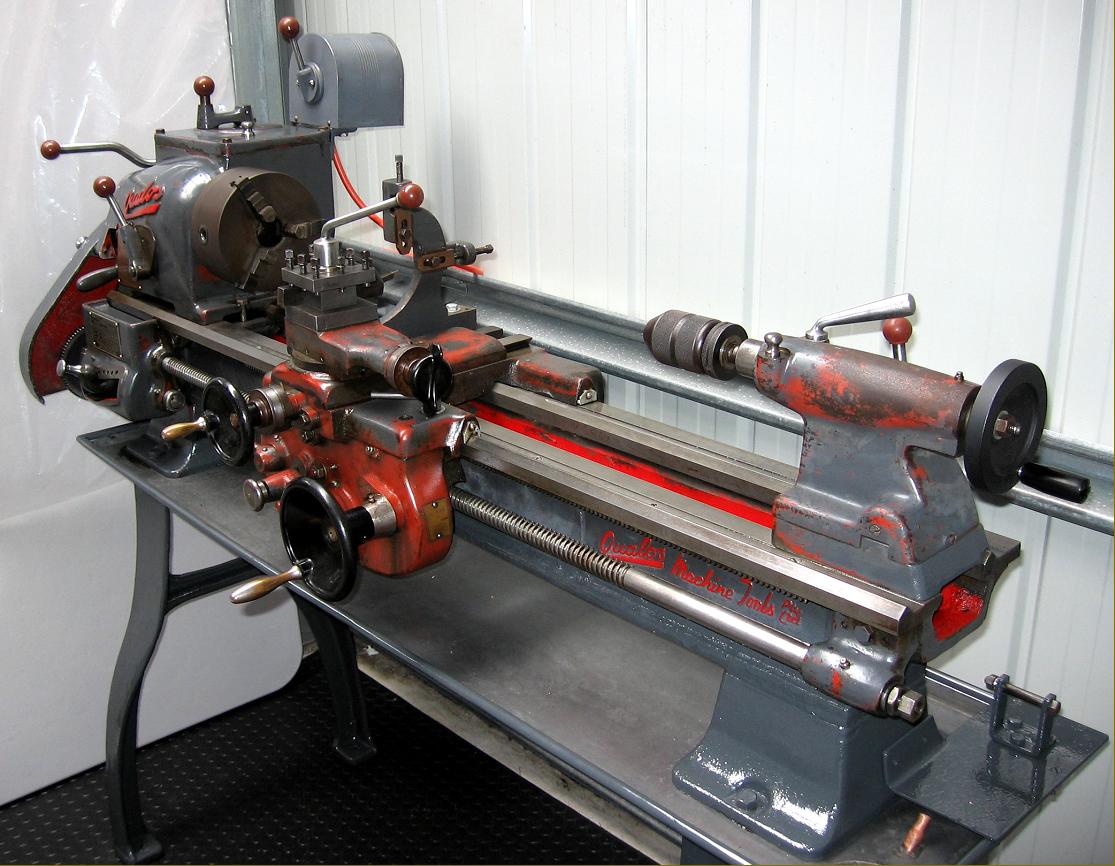
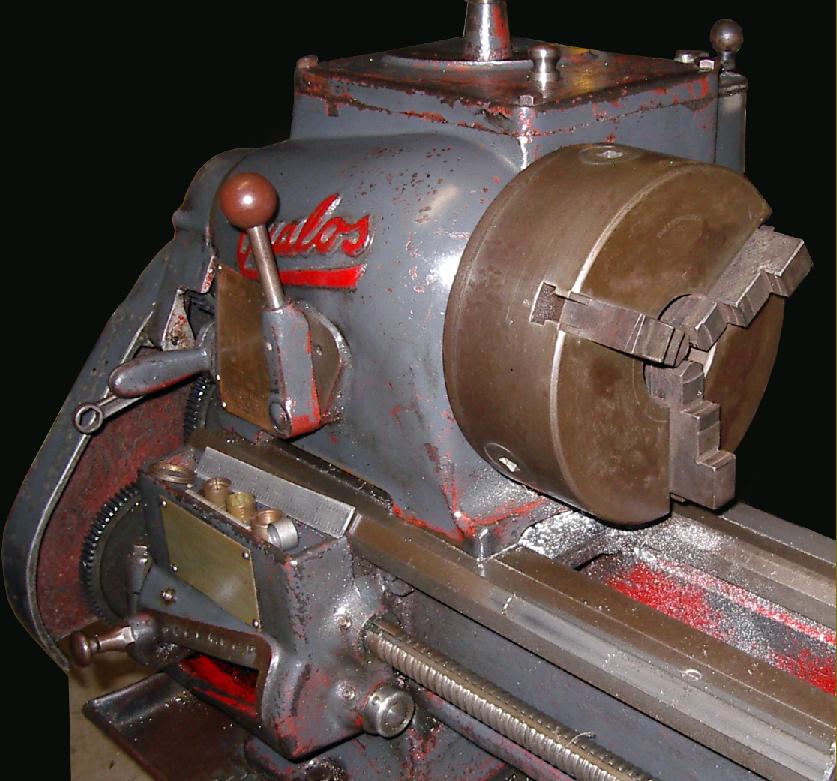
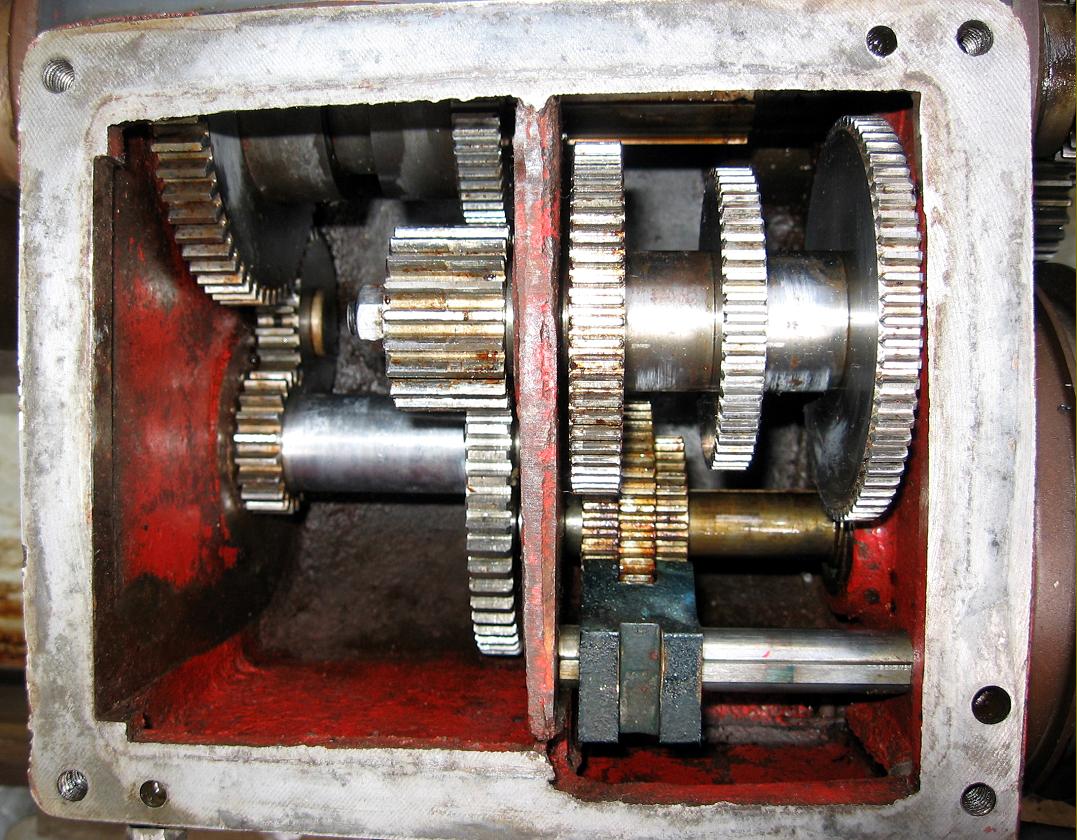
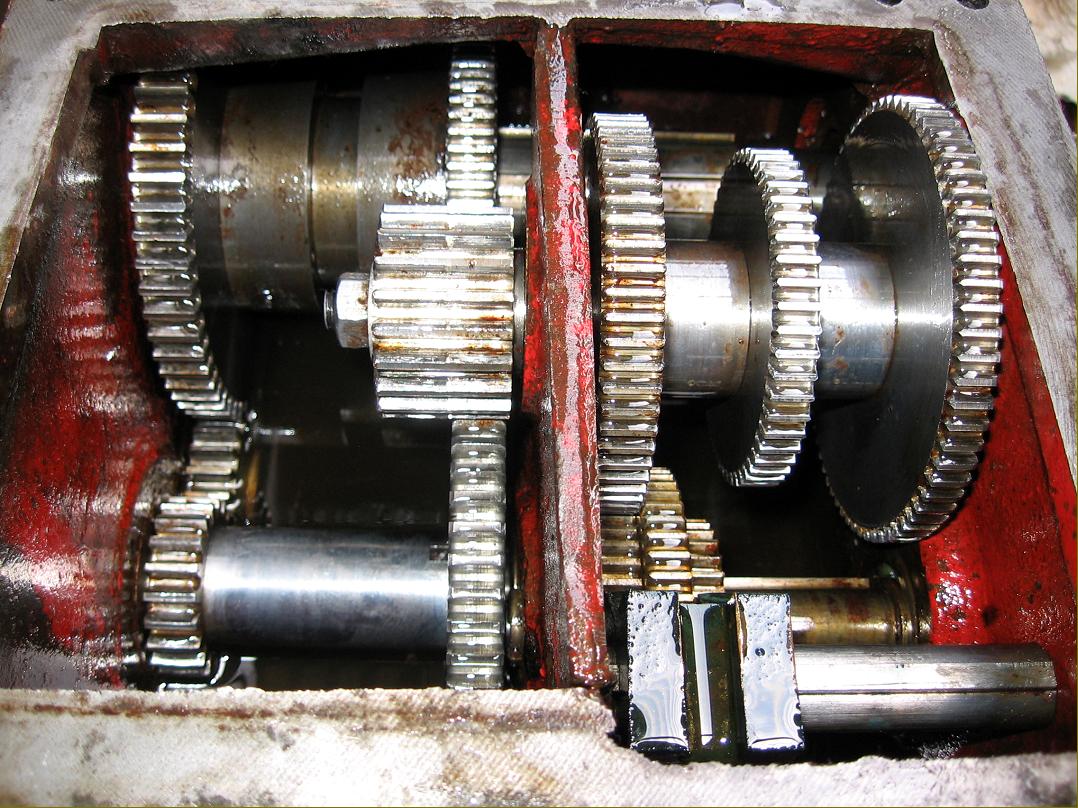
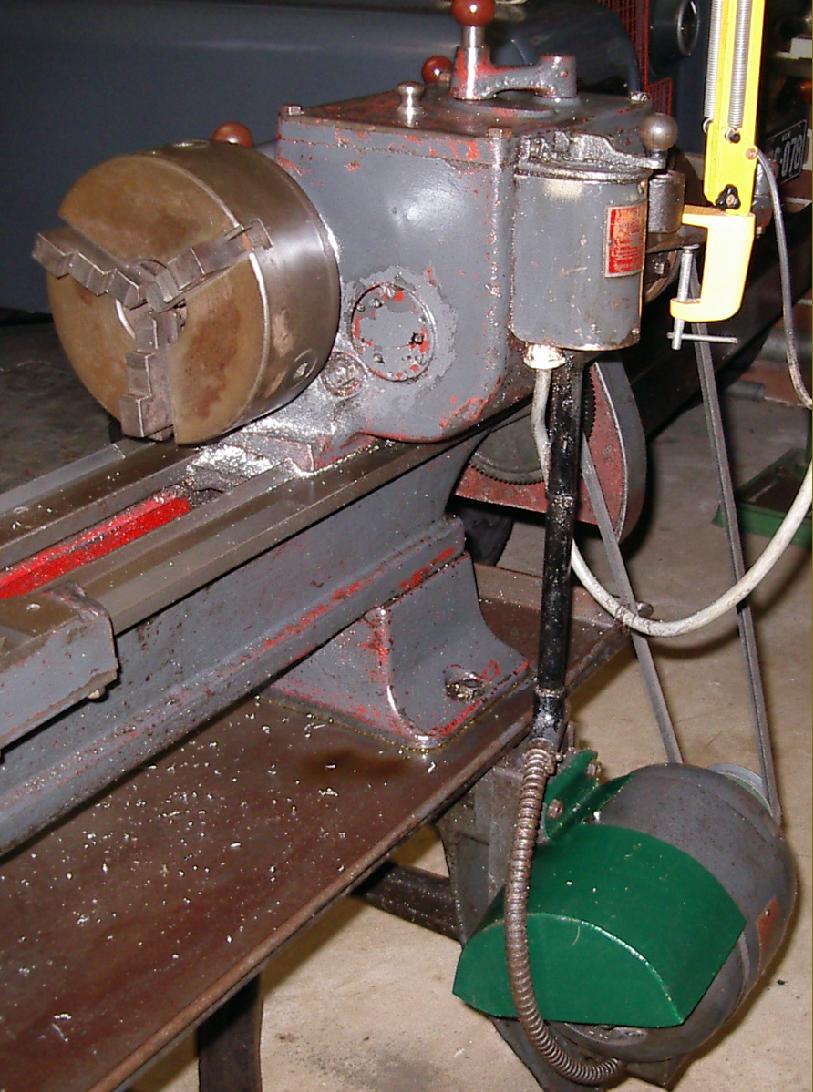
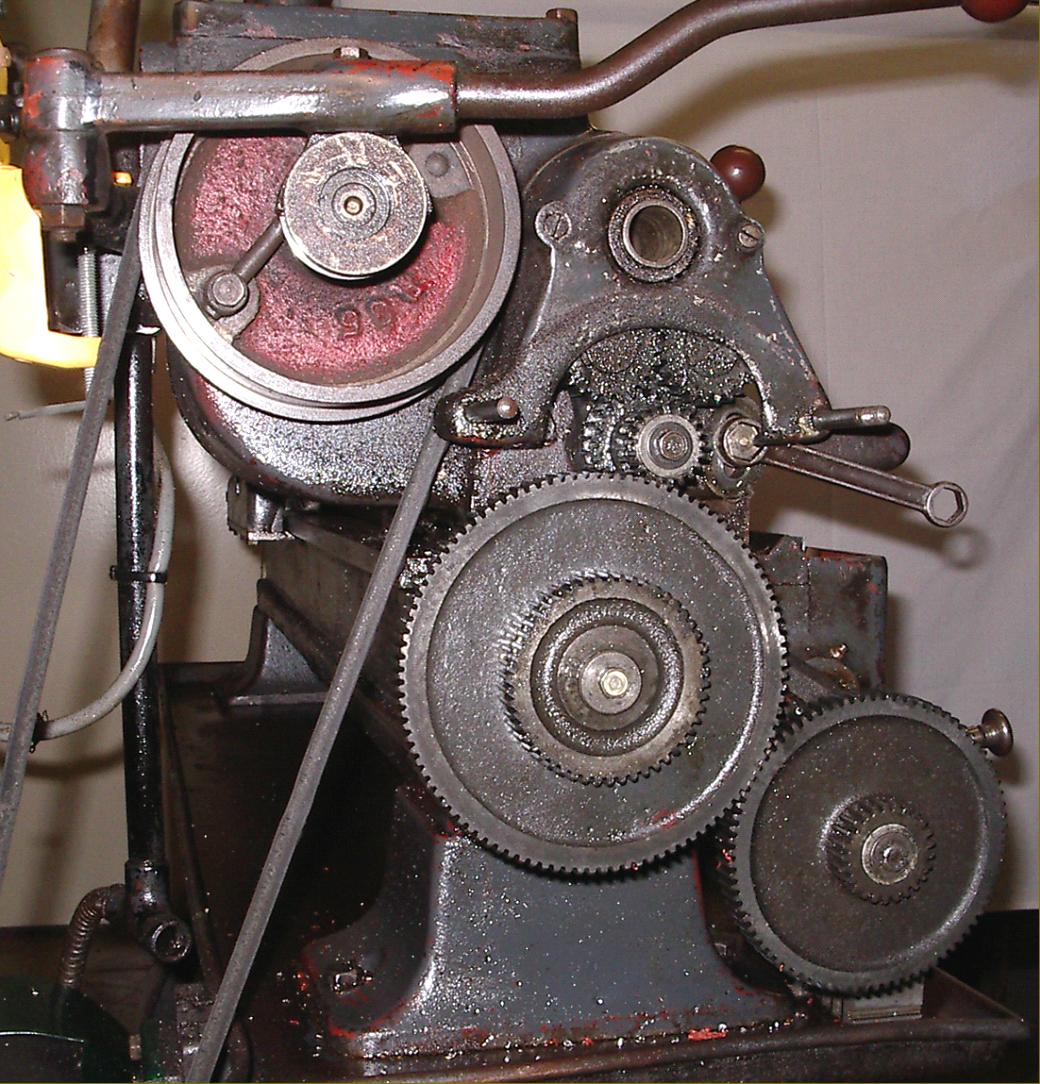
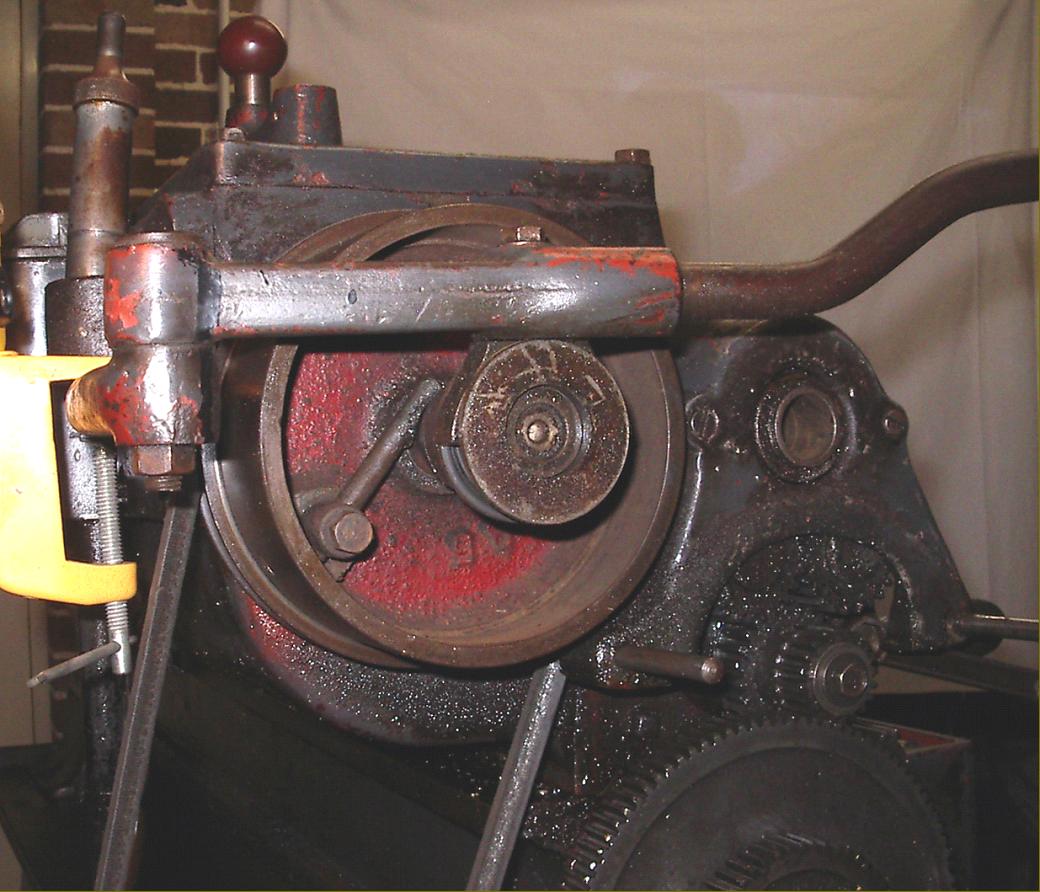
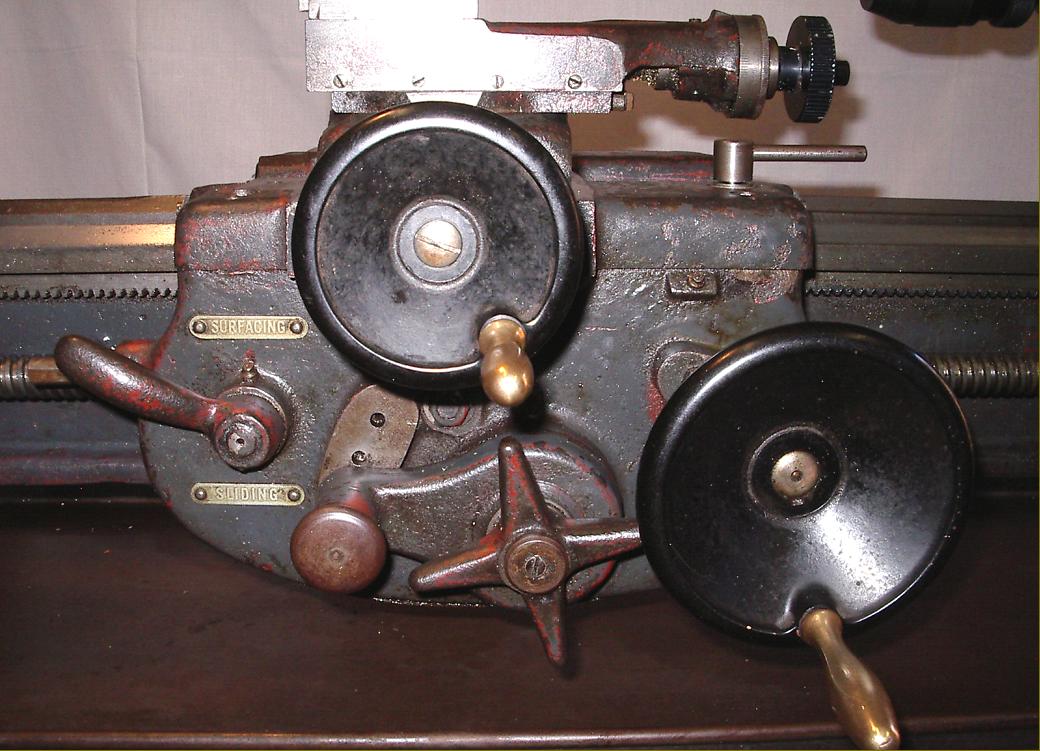
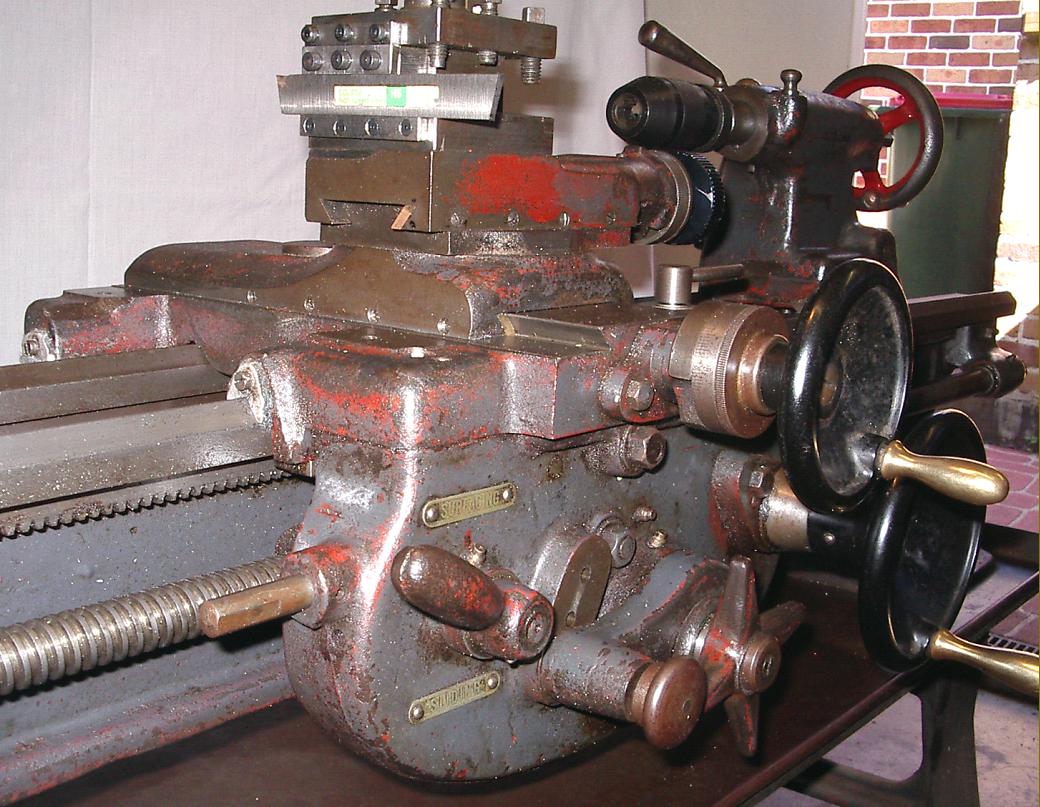
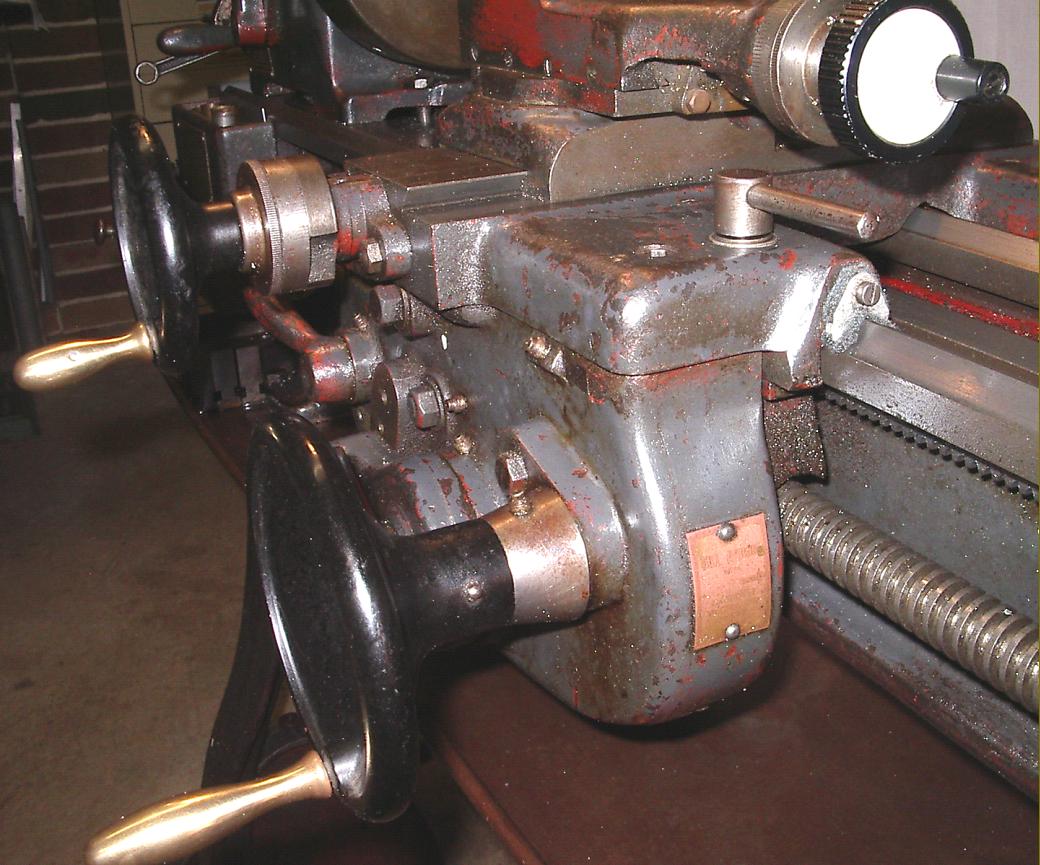
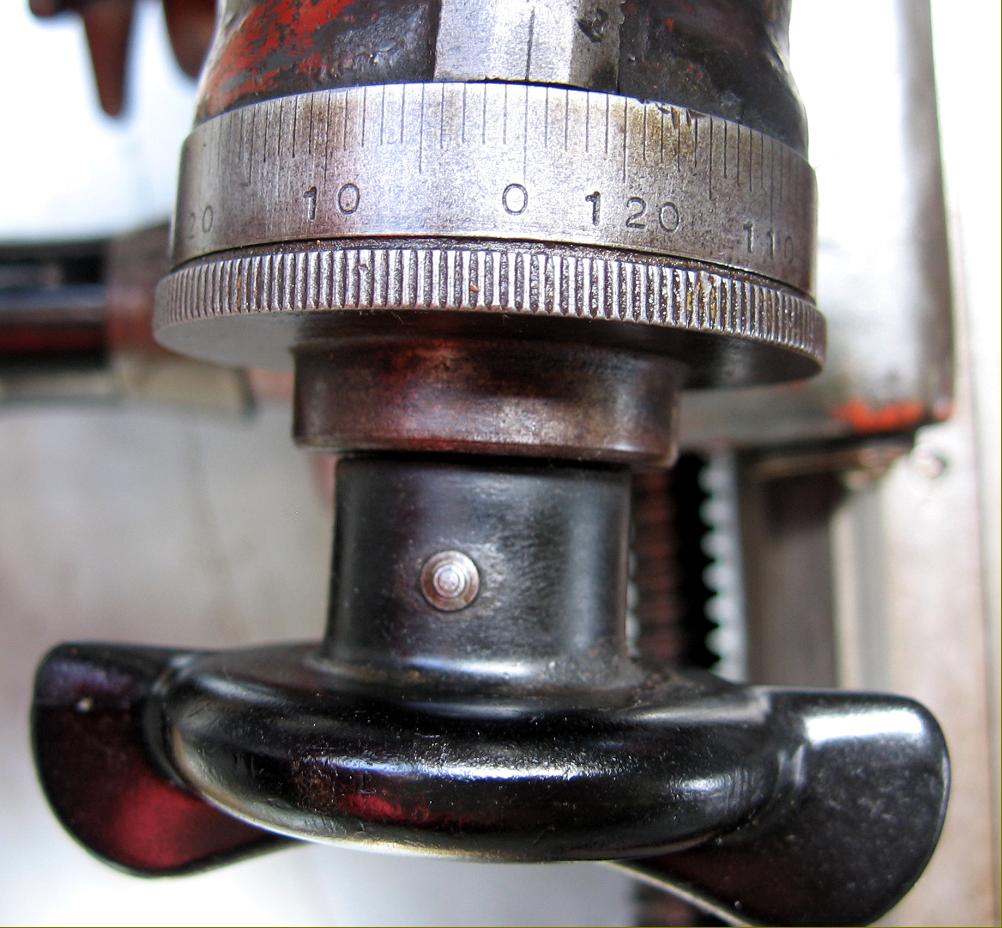
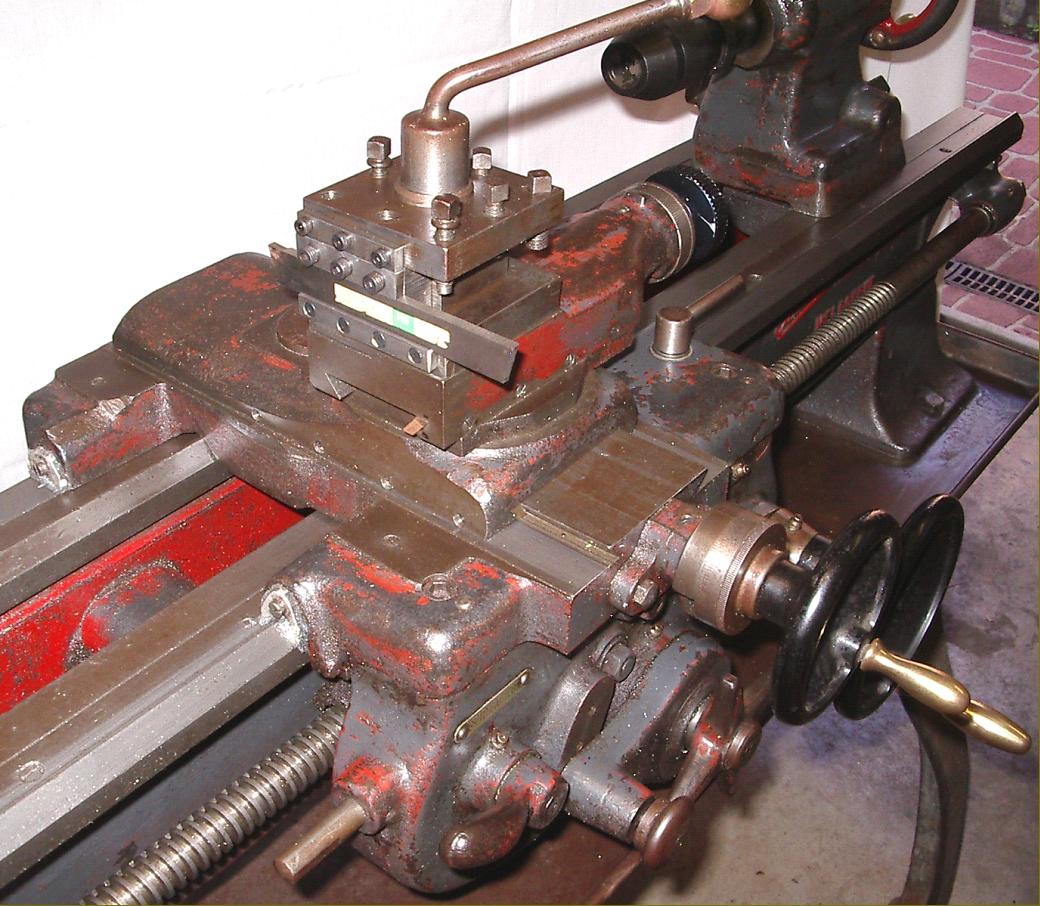
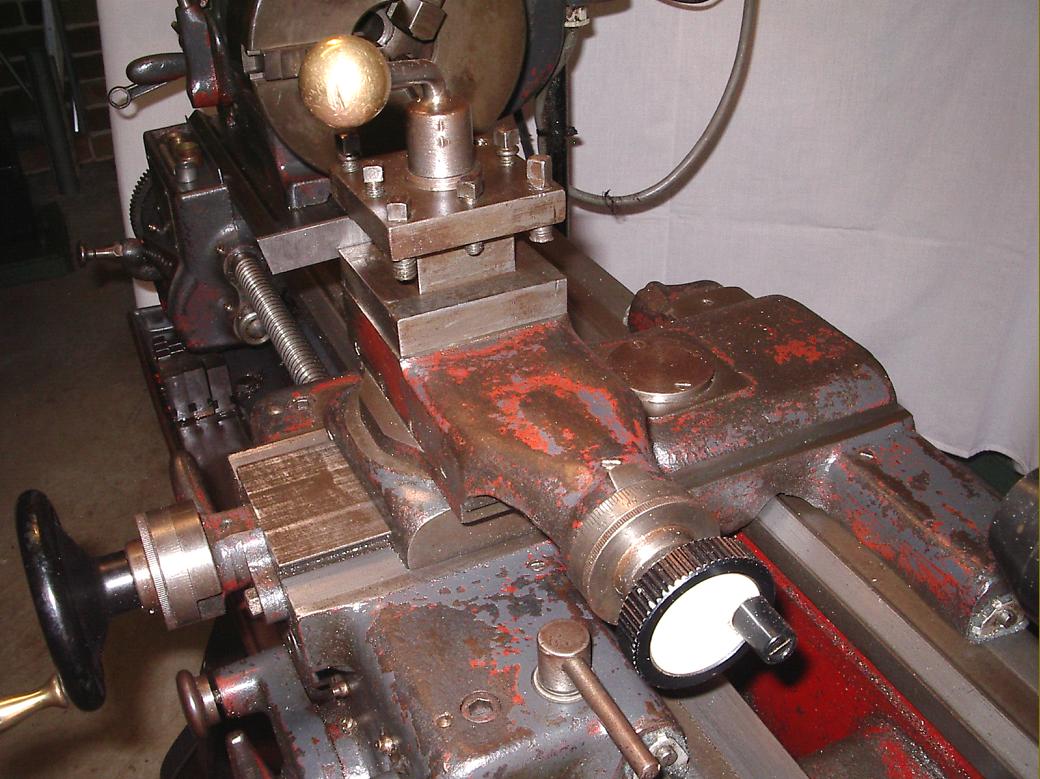
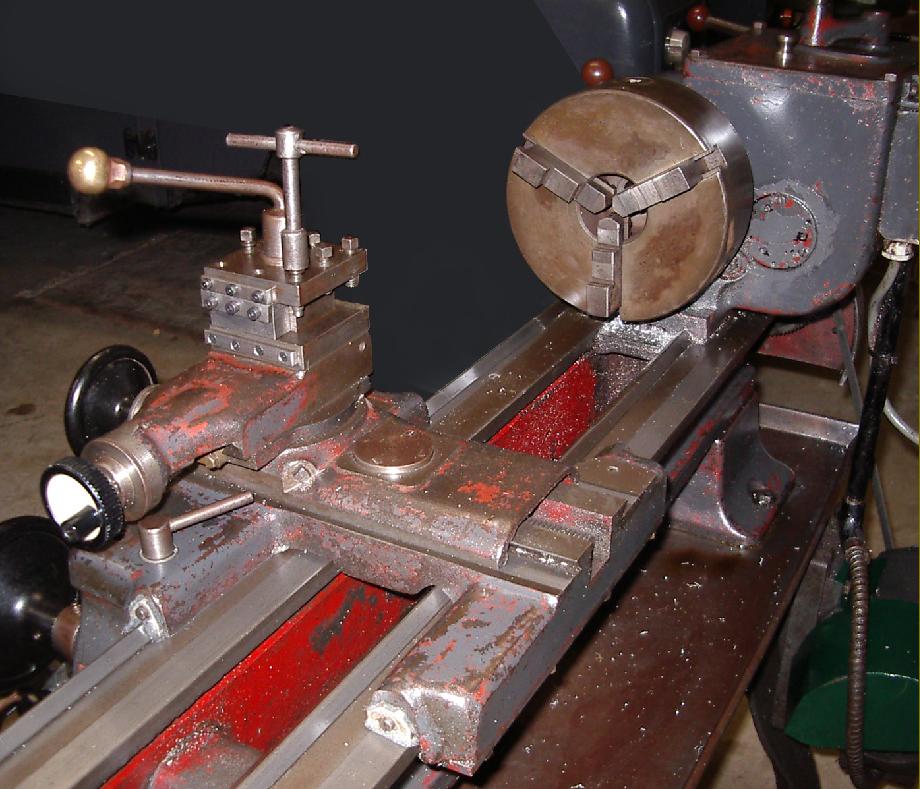
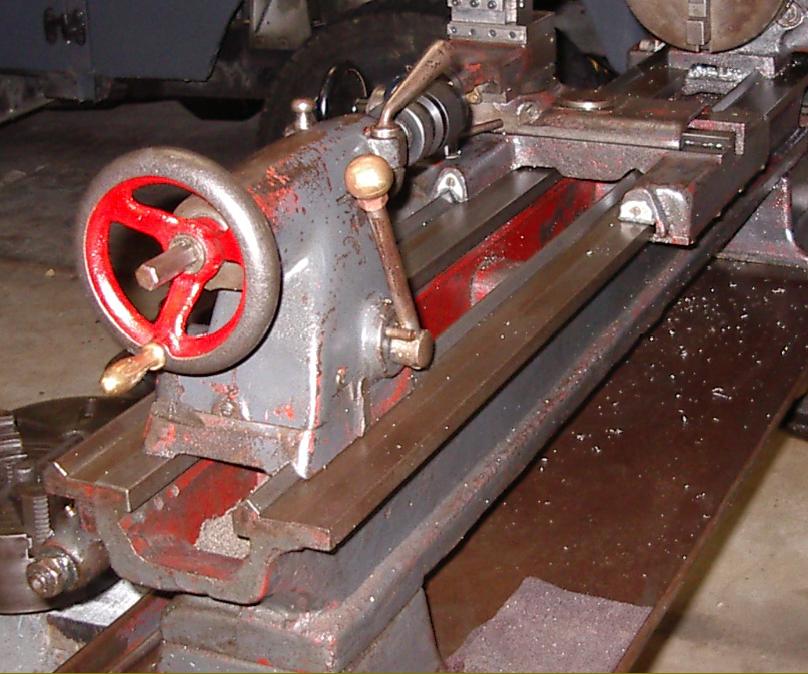
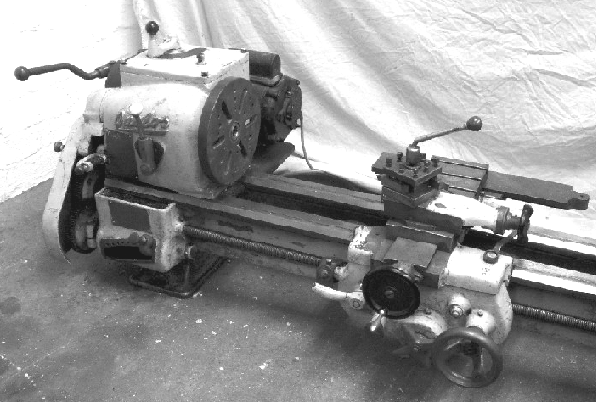
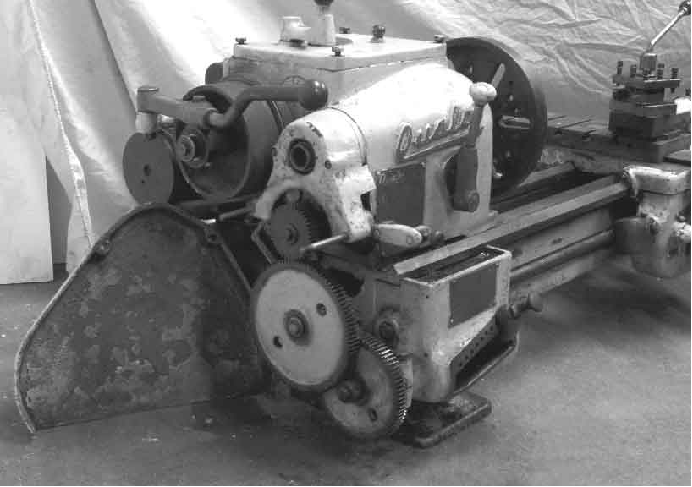
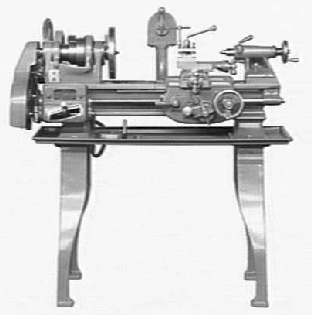
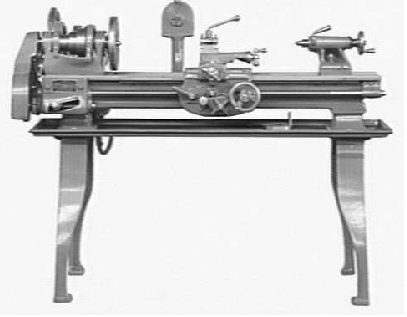
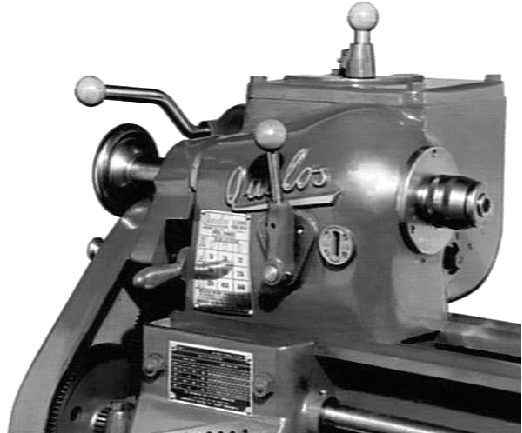
Considered to have been the main product of the early lathe company was a sturdily-constructed 5" x 24" screwcutting lathe. Initially manufactured with a backgeared 3-step (6-speed) flat-belt drive headstock it later had what must have been an expensive-to-produce 6-speed geared headstock with a robust spindle clutch fitted as standard. Screwcutting was not, however, through the expected wide-range Norton gearbox of the traditional type, but instead relied upon a much simpler design with just 8 different feeds for each setting of the changewheels. The bed was of V-way and flat form and carried a substantial carriage assembly which featured both power cross feed and a usefully long T-slotted cross slide. Power feeds were driven by a key running in the slotted leadscrew, selected by a quadrant lever on the face of the apron and engaged by a screw-in clutch operated by a large star-shaped handwheel - a very South Bend-like arrangement. While the clutch provided some protection against overloading, it was impossible to engage or disengage the drive instantly, always a drawback when working up to a shoulder. The tailstock barrel had a No. 2 Morse taper and (at odds with the quality of the rest of the machine) was locked by the simple method of a bolt closing down a long slot in the casting.
Qualos geared-head lathes were extensively used by the Royal Australian Air Force with most bases having at least one machine in the workshops whilst the school of technical training (RSTT) at Wagga Wagga in NSW had around 25 installed for initial apprentice training.
At least one other model of Qualos lathe, the 8-speed V-belt-drive Junior was also produced; this was a very much more lightly built machine than the 5-inch and obviously designed and specified - plastic changewheels on some versions, for example - to cut costs and appeal to the amateur market..