
|
Machine Tool Manuals Machine Tool Catalogues Belts Accessories Pratt & Whitney Precision Bench Lathes - Page 3 Literature is Available for Pratt & Whitney Machines |
|
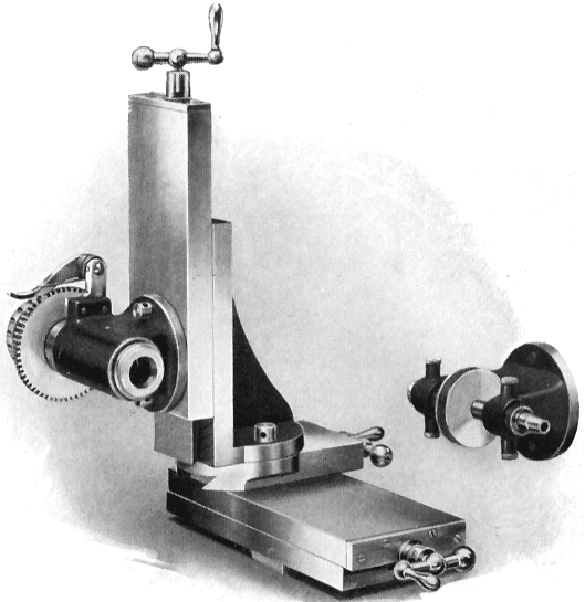
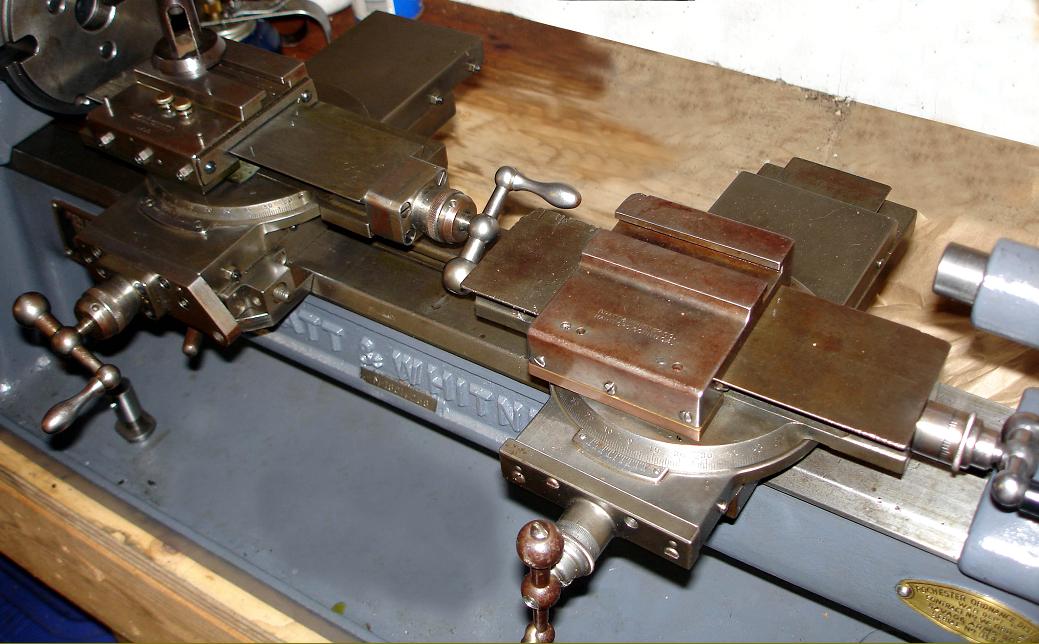
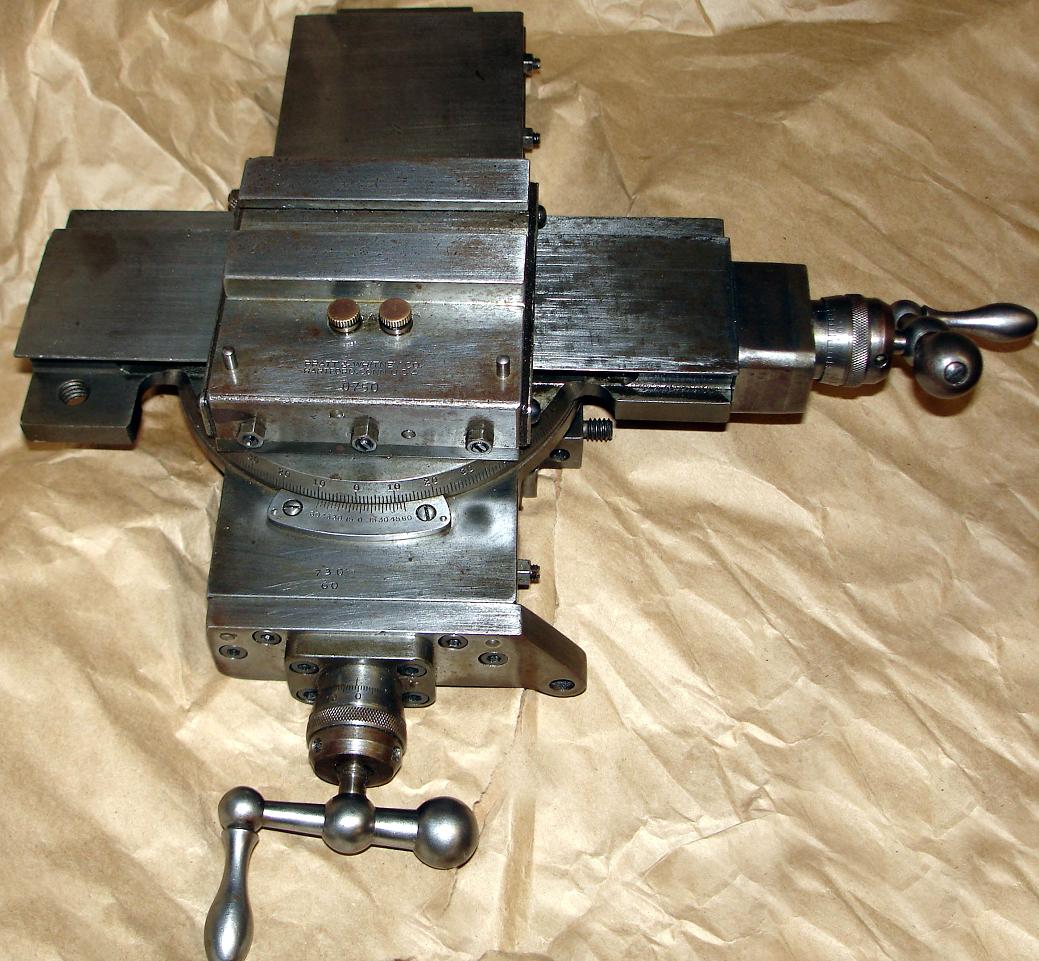
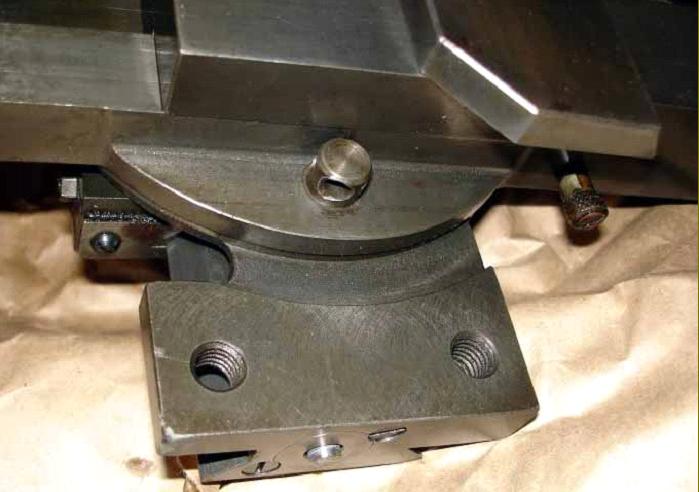
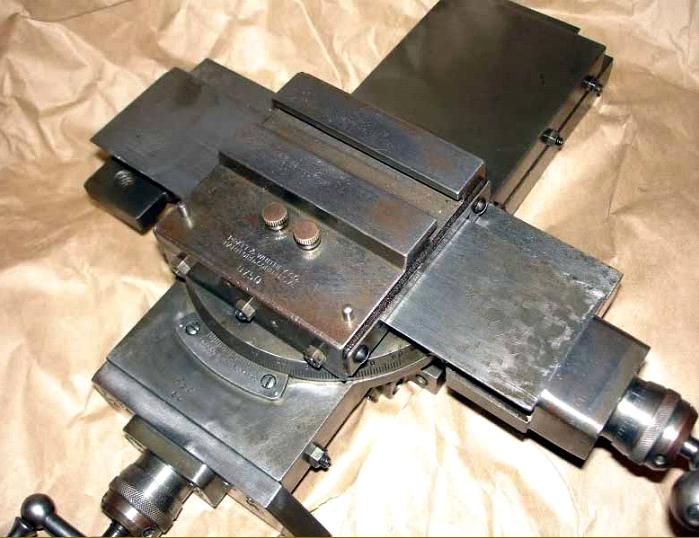
Unusual in that, instead of being adapted to fit the standard slide rest, the Pratt & Whitney swivelling vertical milling attachment was complete with its own compound slide unit - and thus could be used on lathes fitted with were only equipped with the simpler types of hand-tool rest. |
||
|
|
|
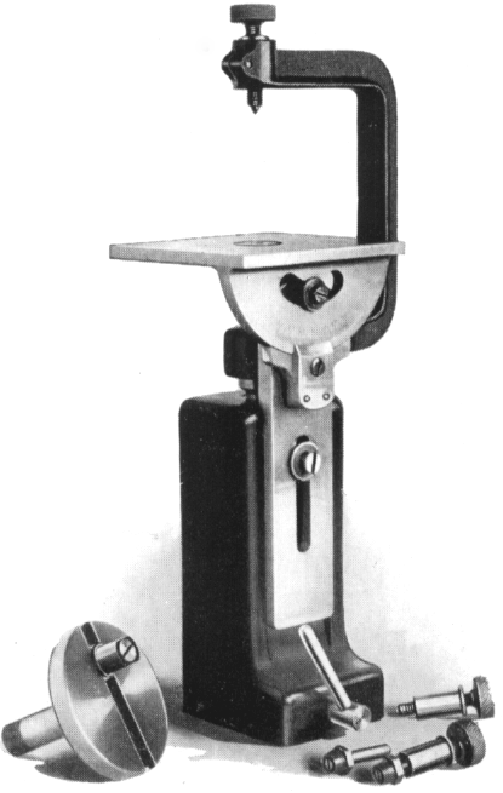
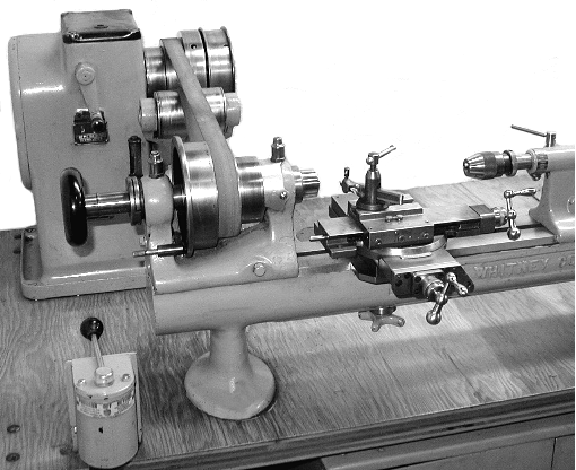
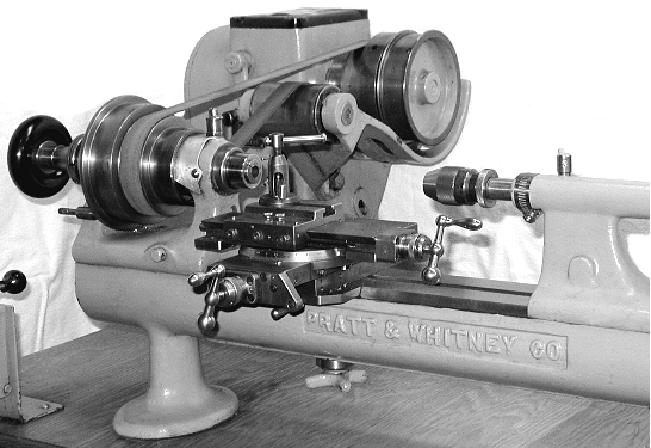
The powered Filing Attachment - a remarkable Pratt & Whitney accessory and probably unique to a small number of fine-quality American Precision Bench Lathe manufacturers. |
||
|
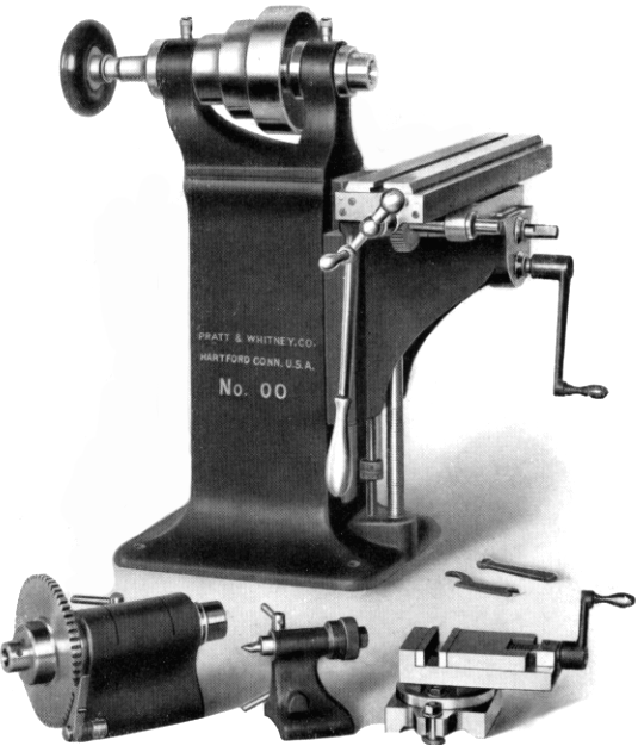
In common with other makers of precision lathes, Pratt & Whitney offered a toolroom-class milling machine which used either the complete headstock from the lathe, or an identical spindle assembly. More details of these machines can be seen here. |
||
|
|
||
|
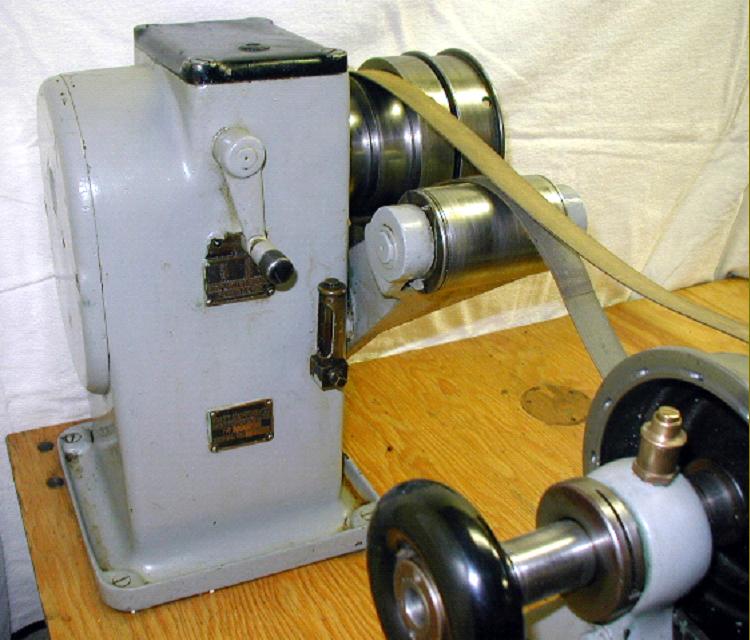
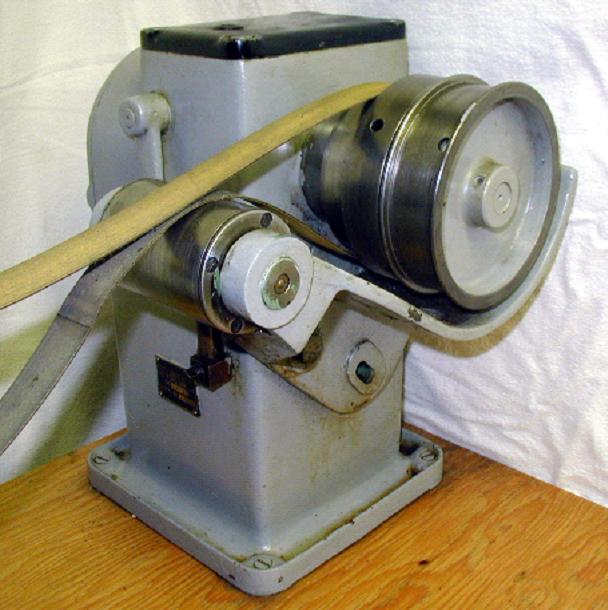
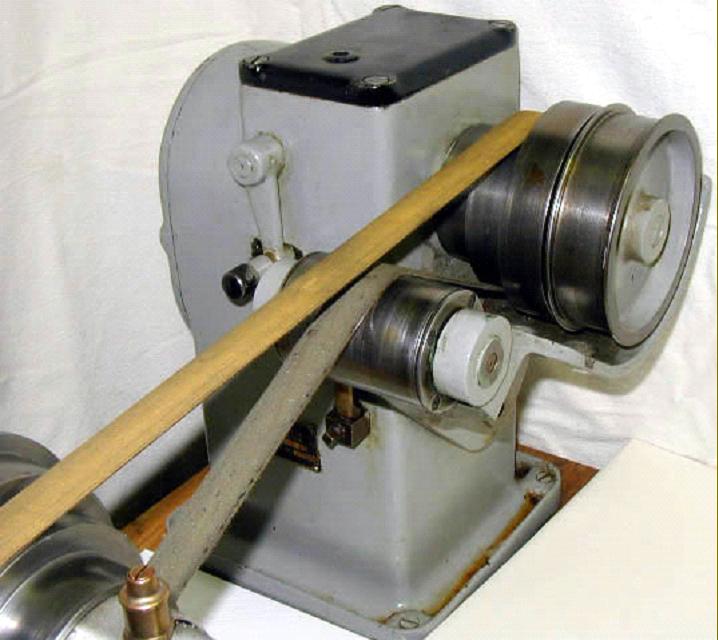
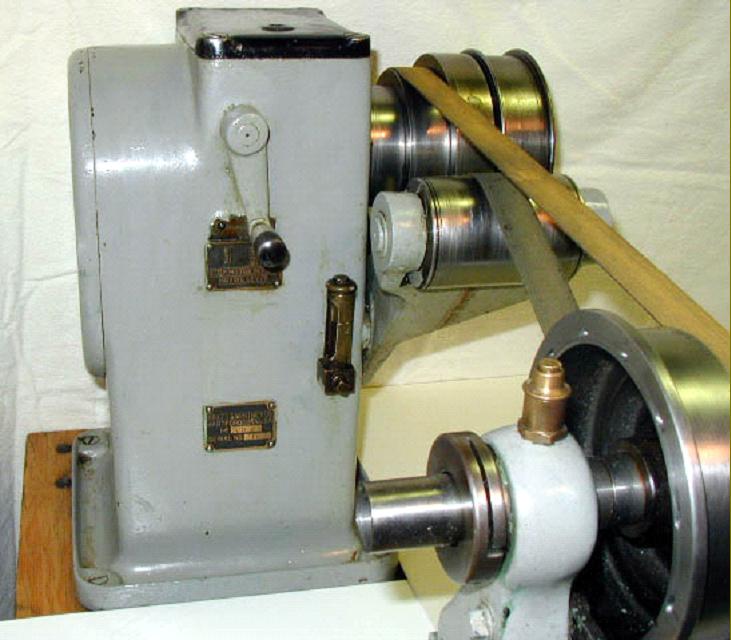
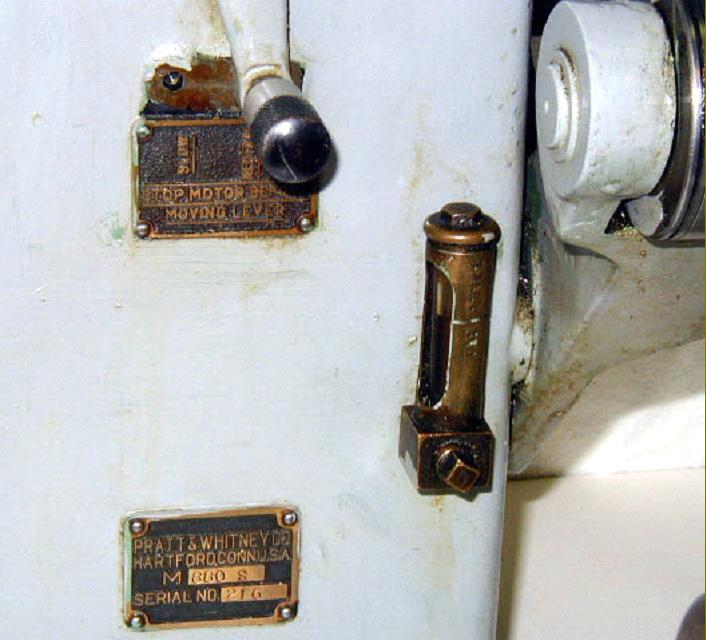
A Pratt & Whitney No. 3 with the maker's beautifully-constructed countershaft holding a built-in 2-speed gearbox - similar in some ways to the system used on the Swiss Simonet precision lathe. |
||
|
|
||
|
|
||
|
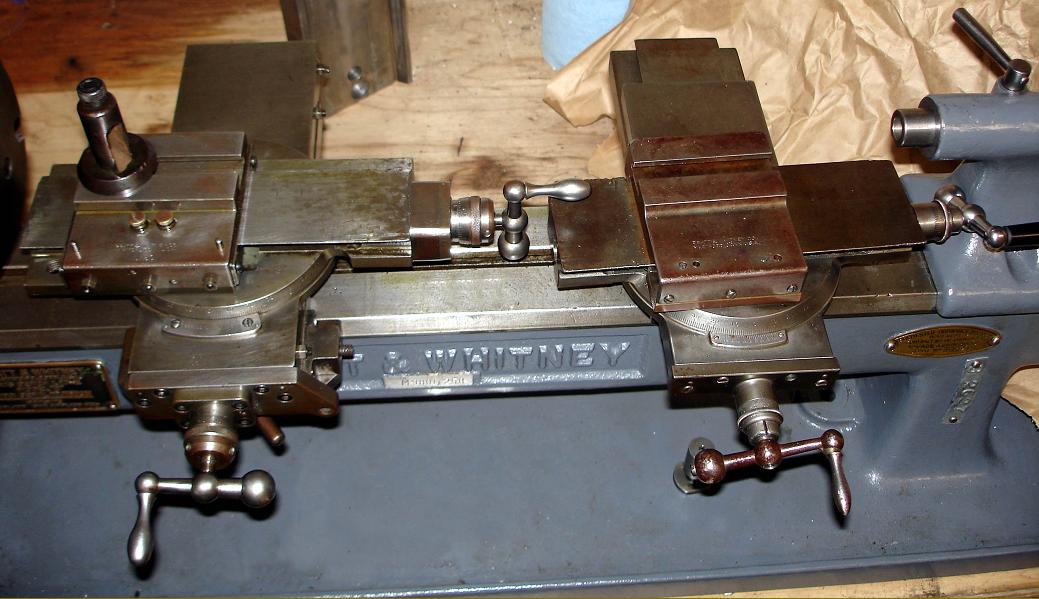
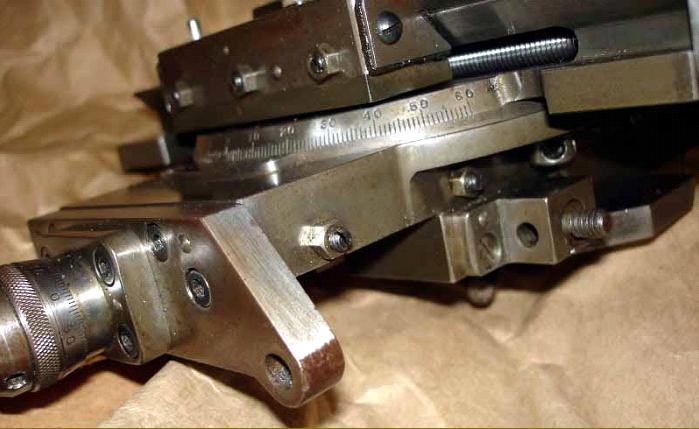
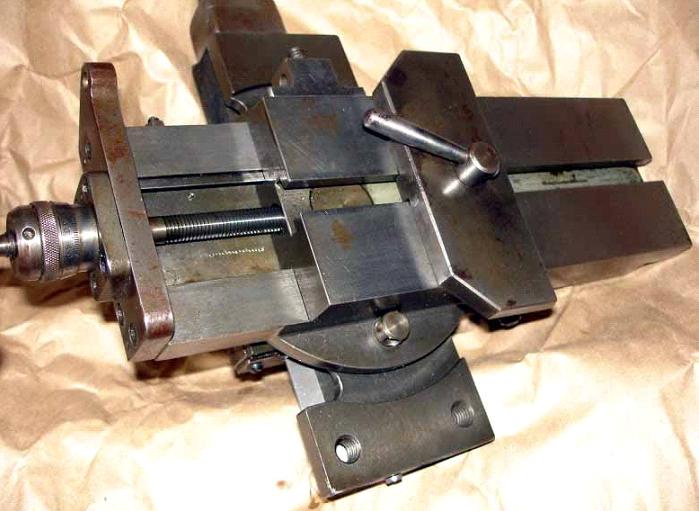
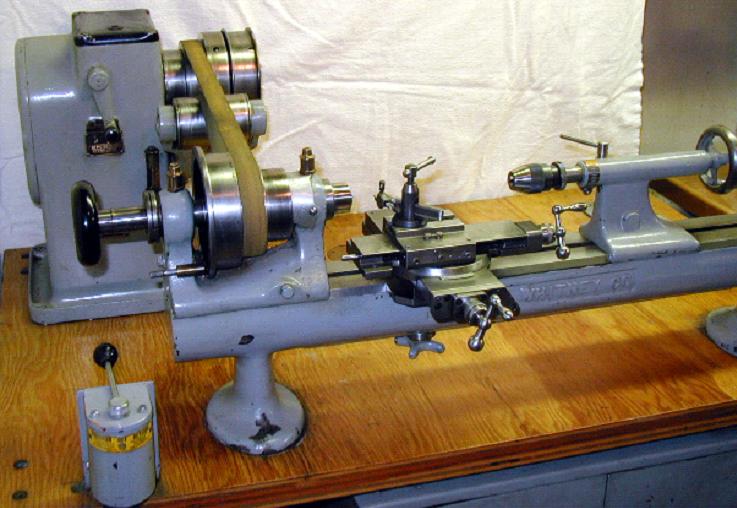
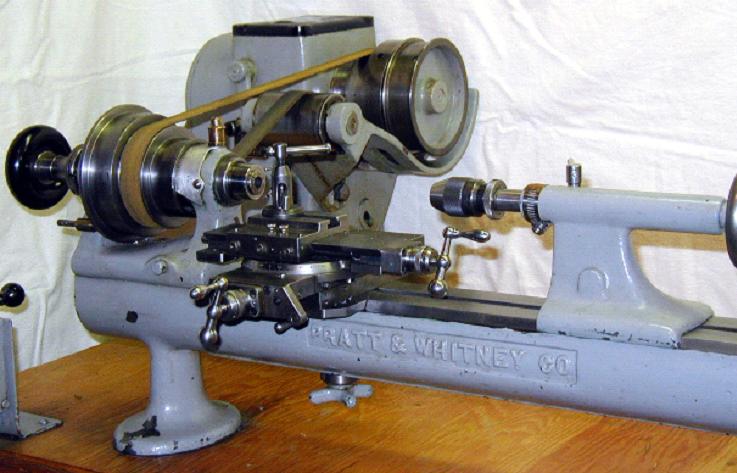
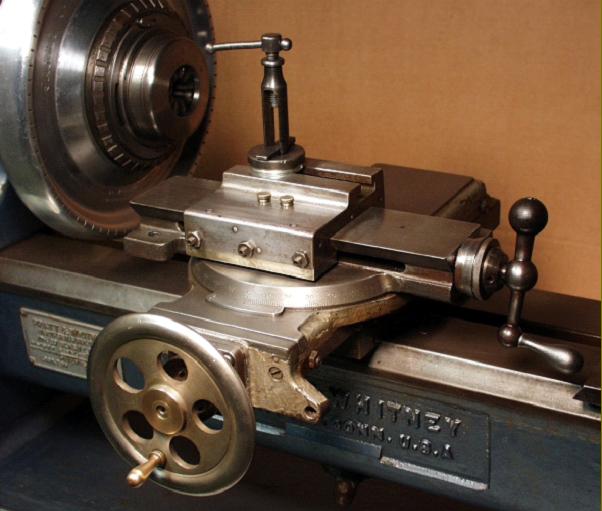
Early and later Pratt & Whitney compound slide rests. That on the left is from a 3c and on the right from the older No. 3. While both follow the same basic design, that used on the 3C has a slightly longer travel on the top slide, and usefully more on the cross. Other refinements include a better oiling system, larger micrometer dials, ball bearings thrust races and travel stops for the cross movement |
|
|
|
Literature is Available for Pratt & Whitney Machines Machine Tool Manuals Machine Tool Catalogues Belts Accessories |