|
 |
 |
 |
 |
 |
 |
 |
 |
 |
 |
 |
 |
 |
 |
 |
 |
 |
 |
 |
 |
 |
 |
 |
 |
 |
|
|
|
|
|
|
|
|
|
|
|
|
|
|
|
|
|
|
|
|
|
|
|
|
|
|
|
|
|
|
|
|
Home Machine Tool Archive Lathes for Sale E-MAIL Tony@lathes.co.uk
Granville Star Lathe Granville Home & Junior & Senior Lathes Granville Senior Parts' Pictures
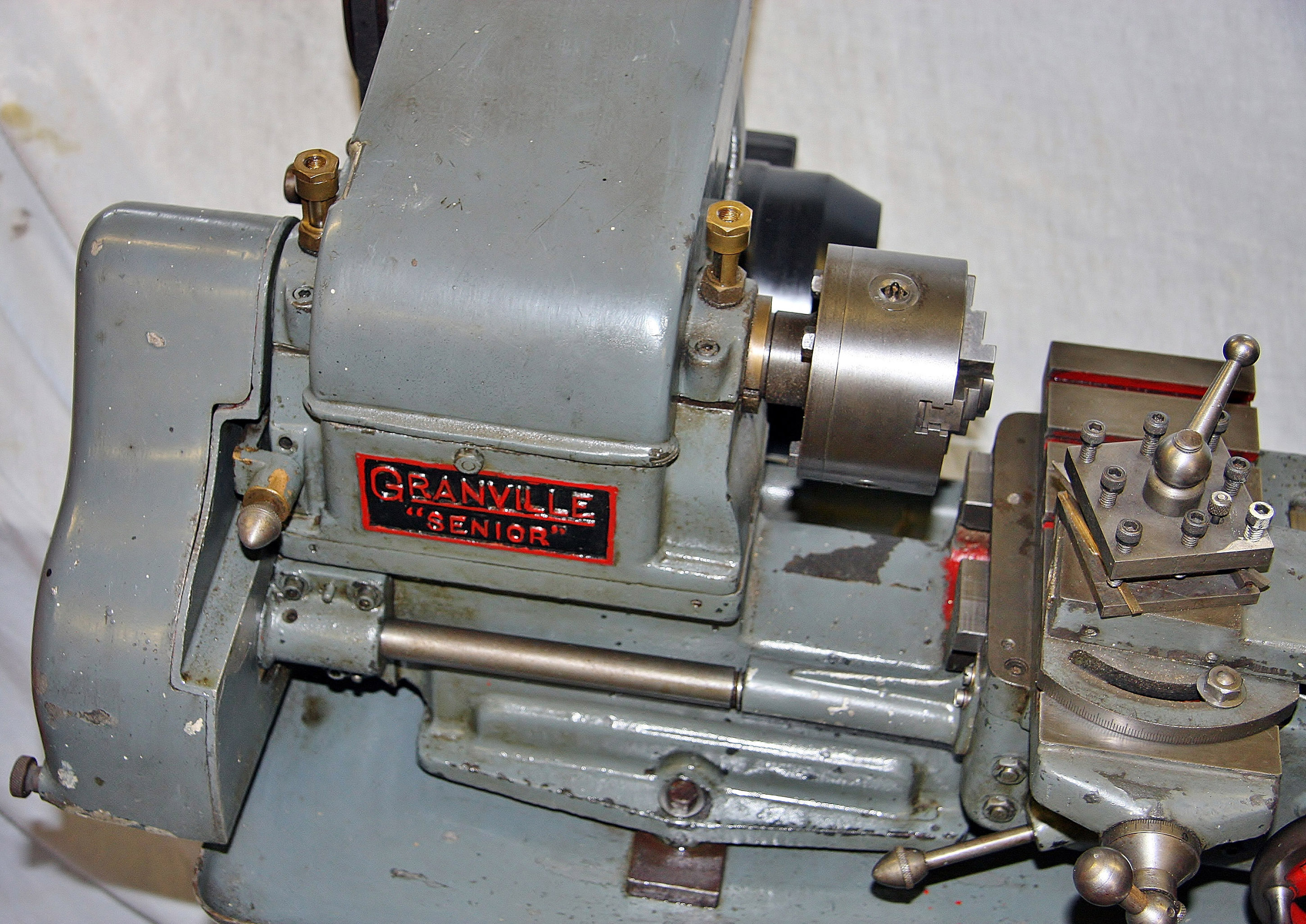
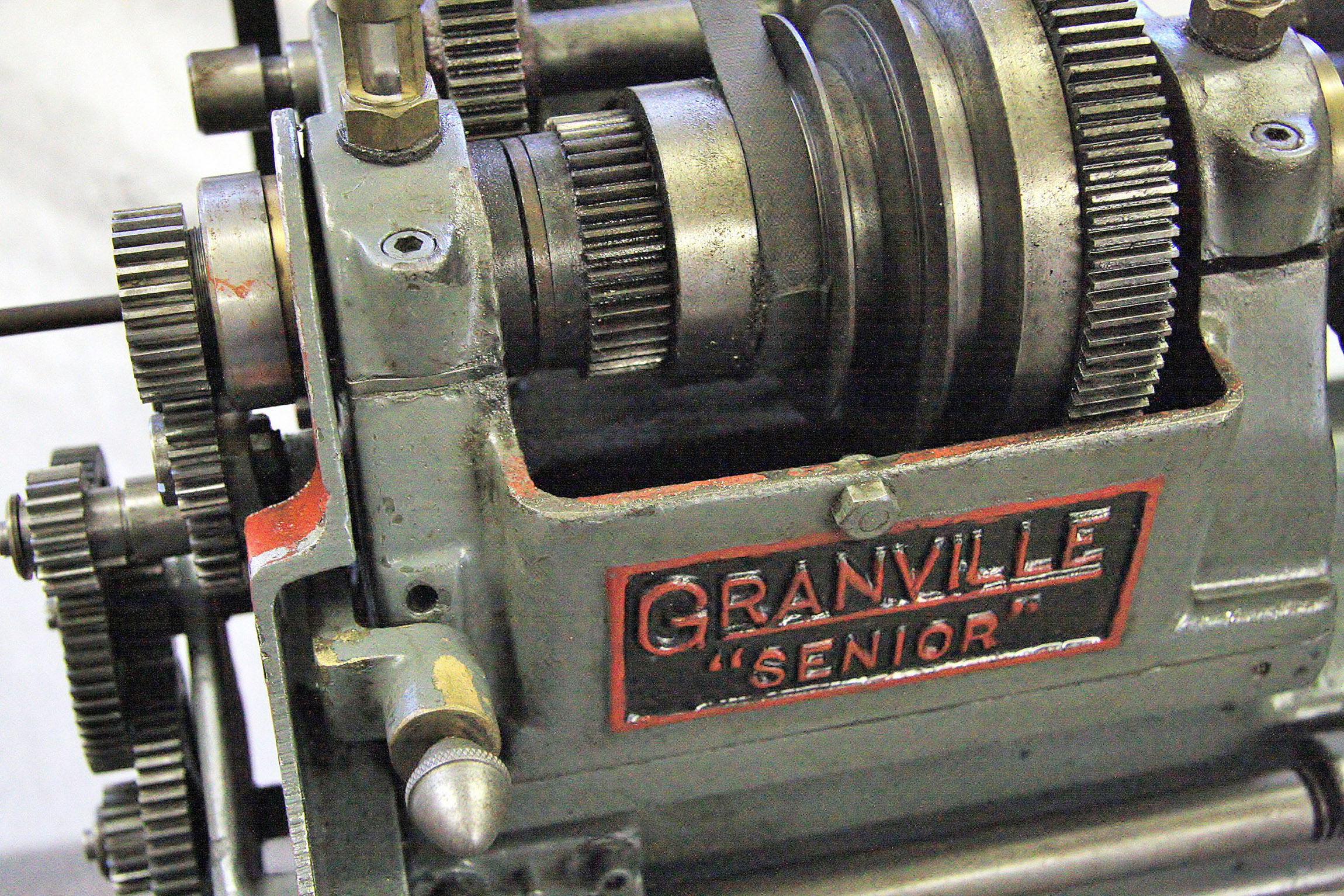
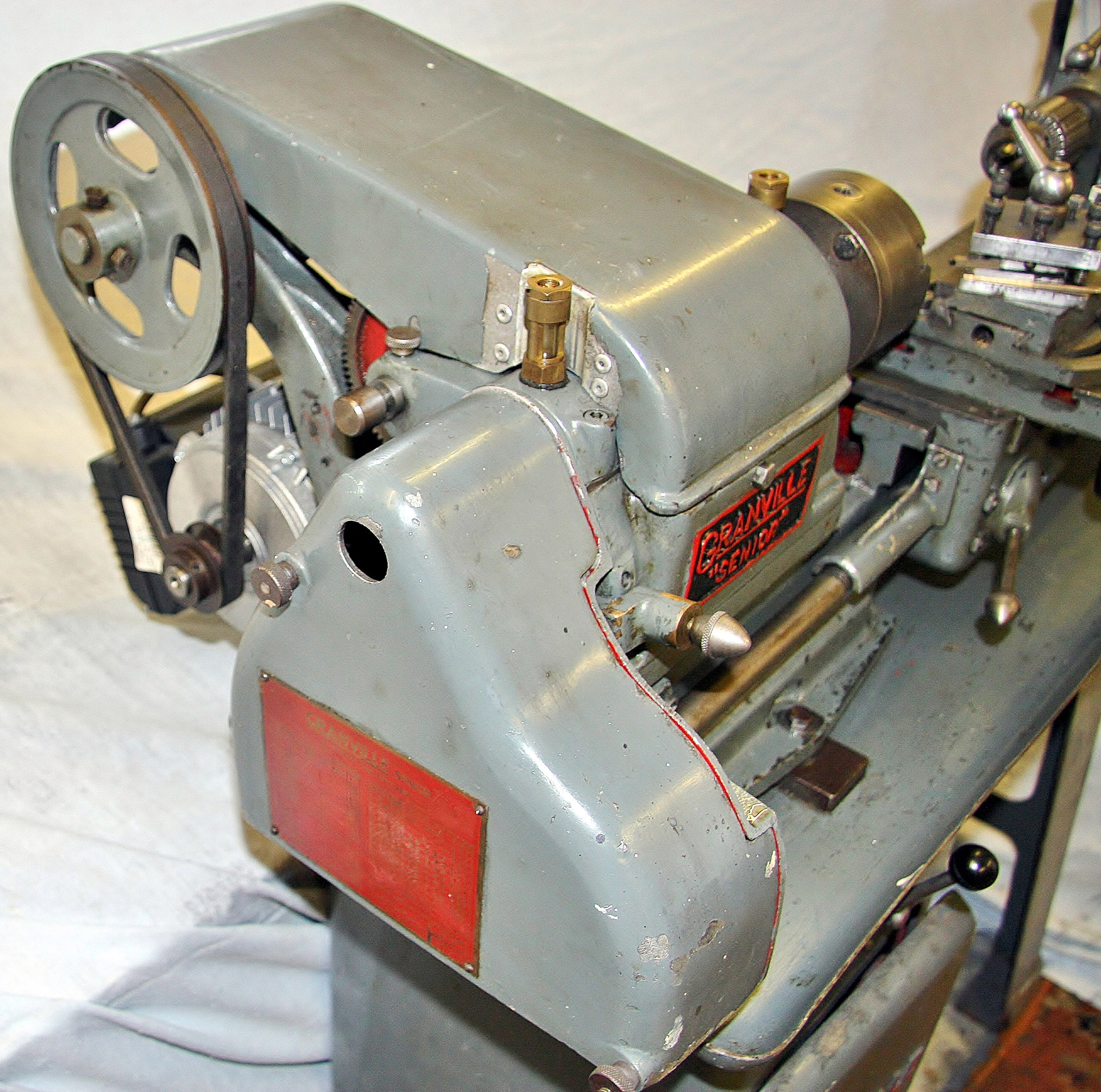
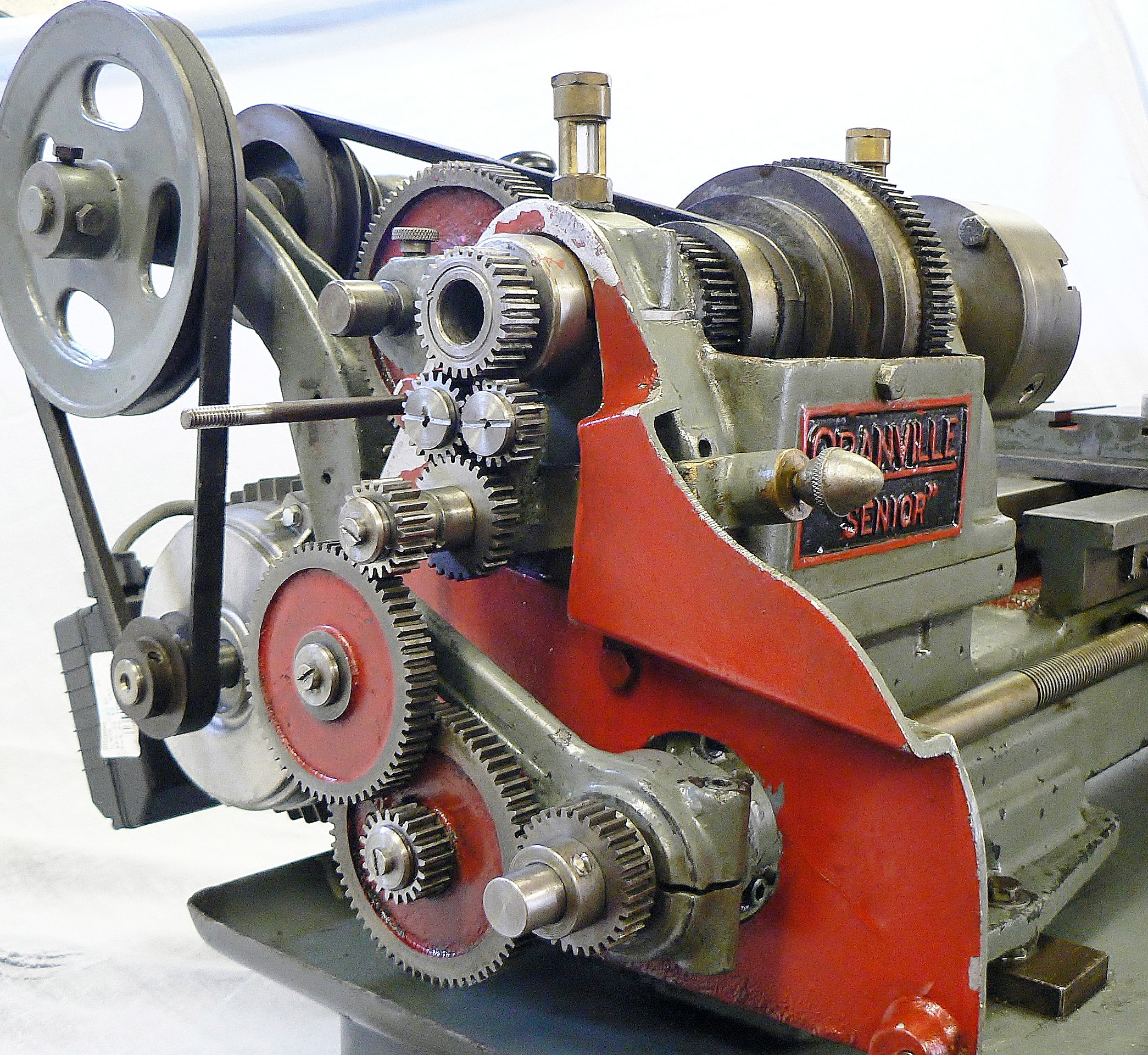
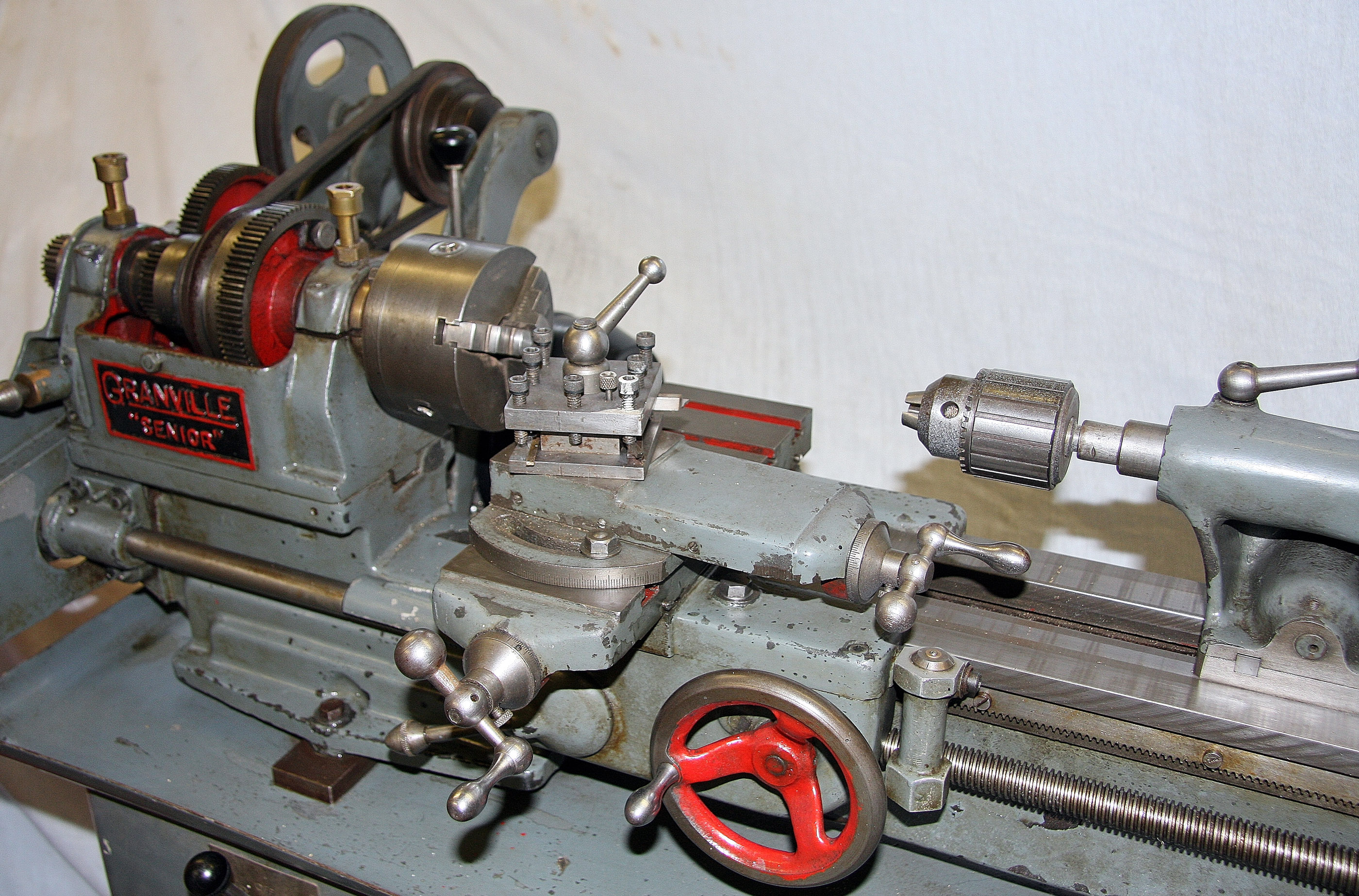
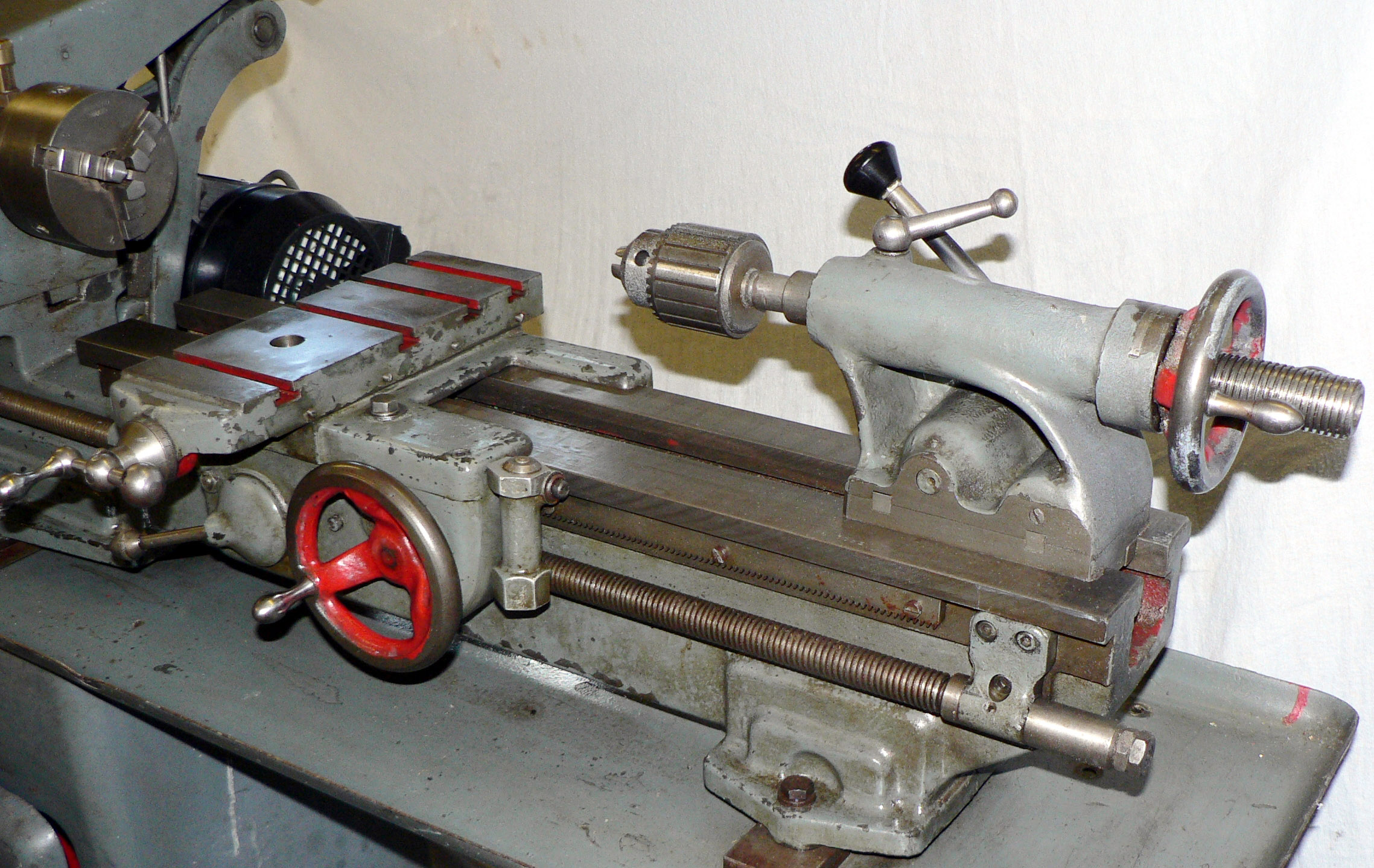
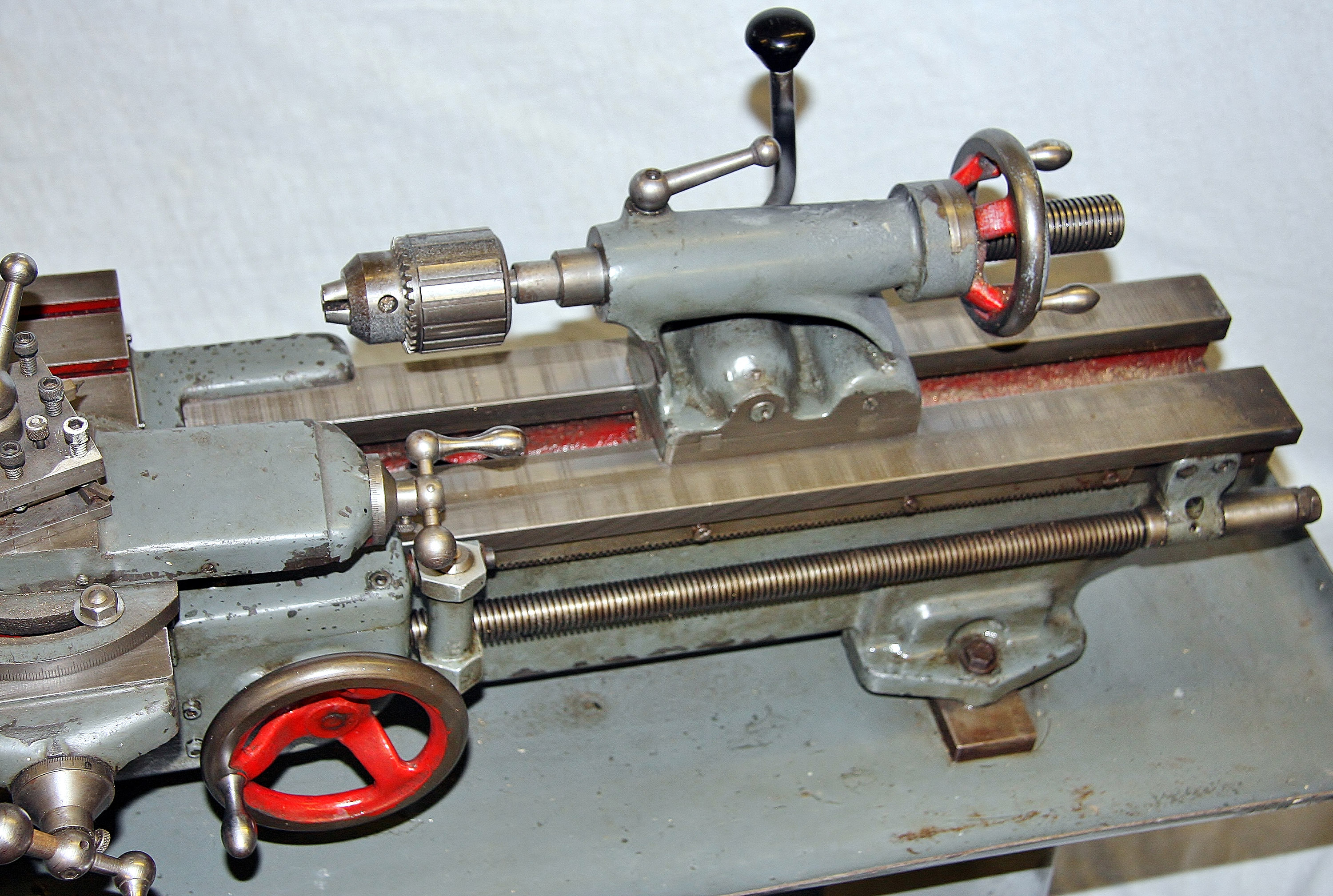
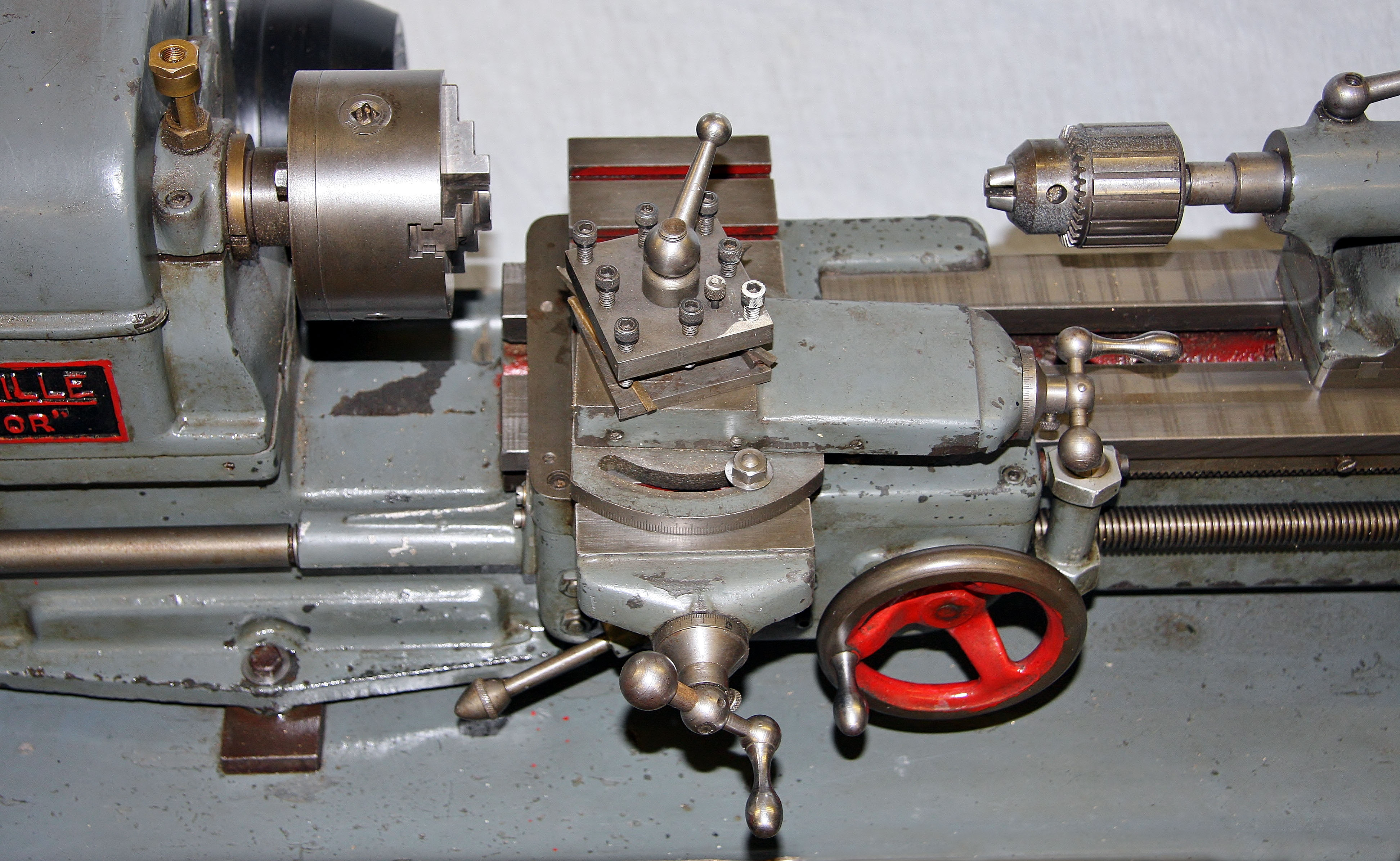
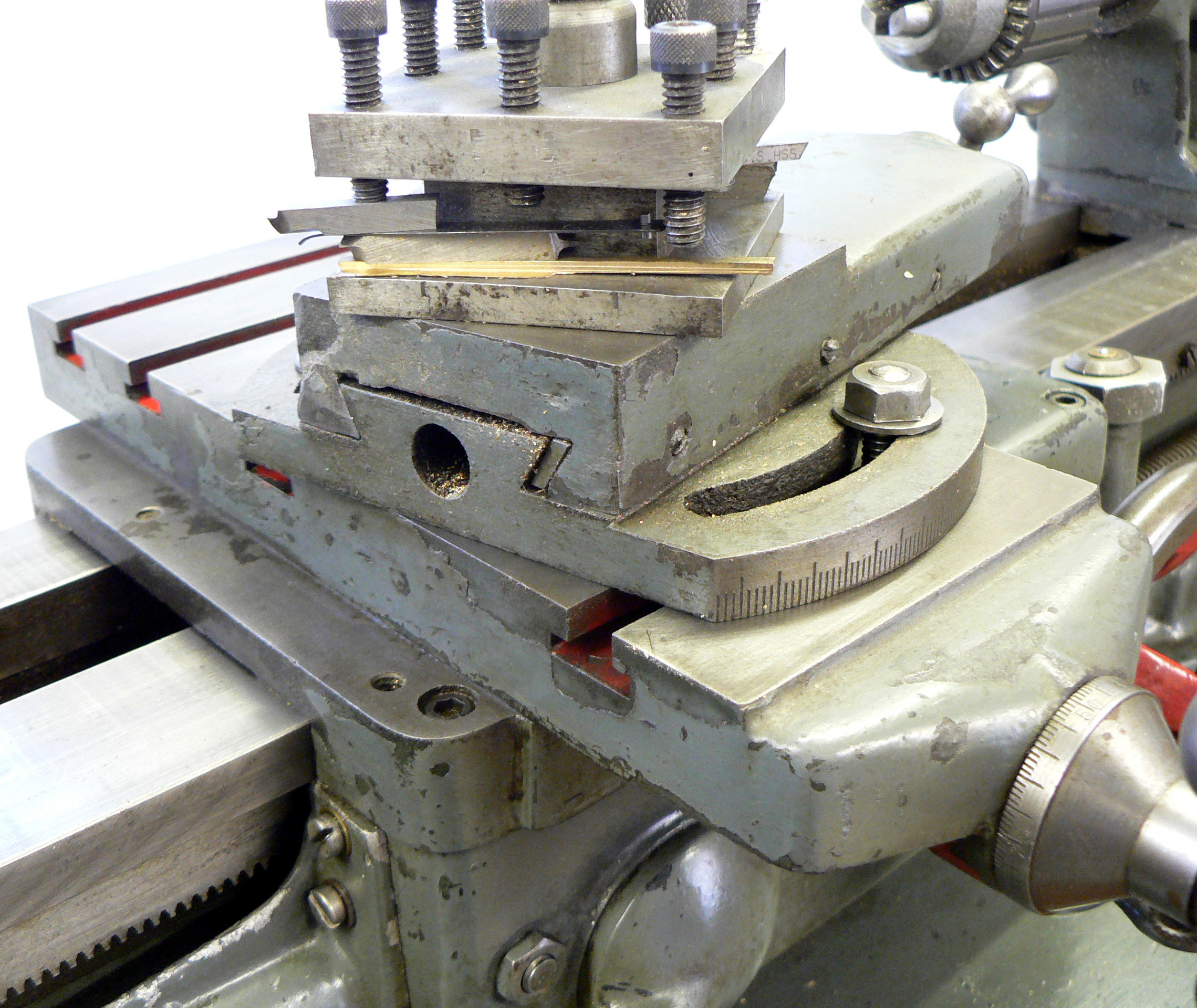
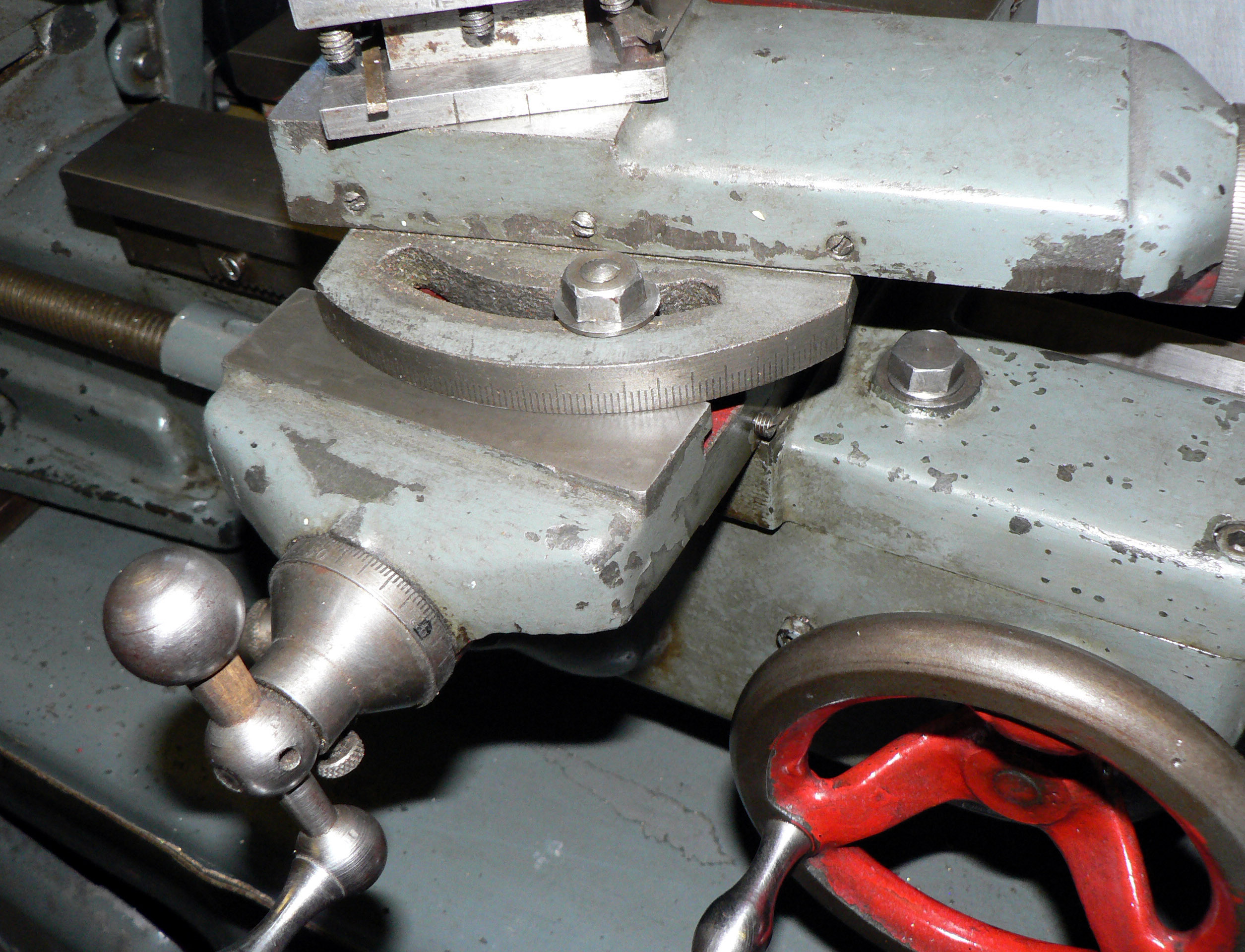
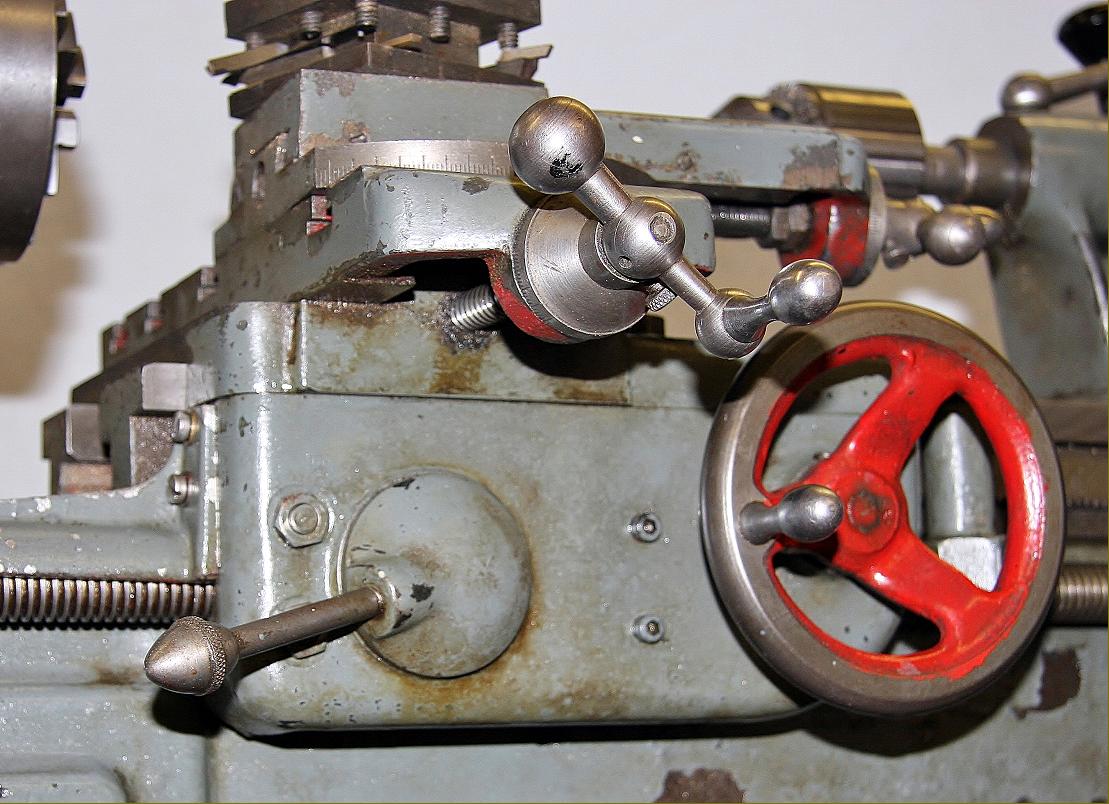
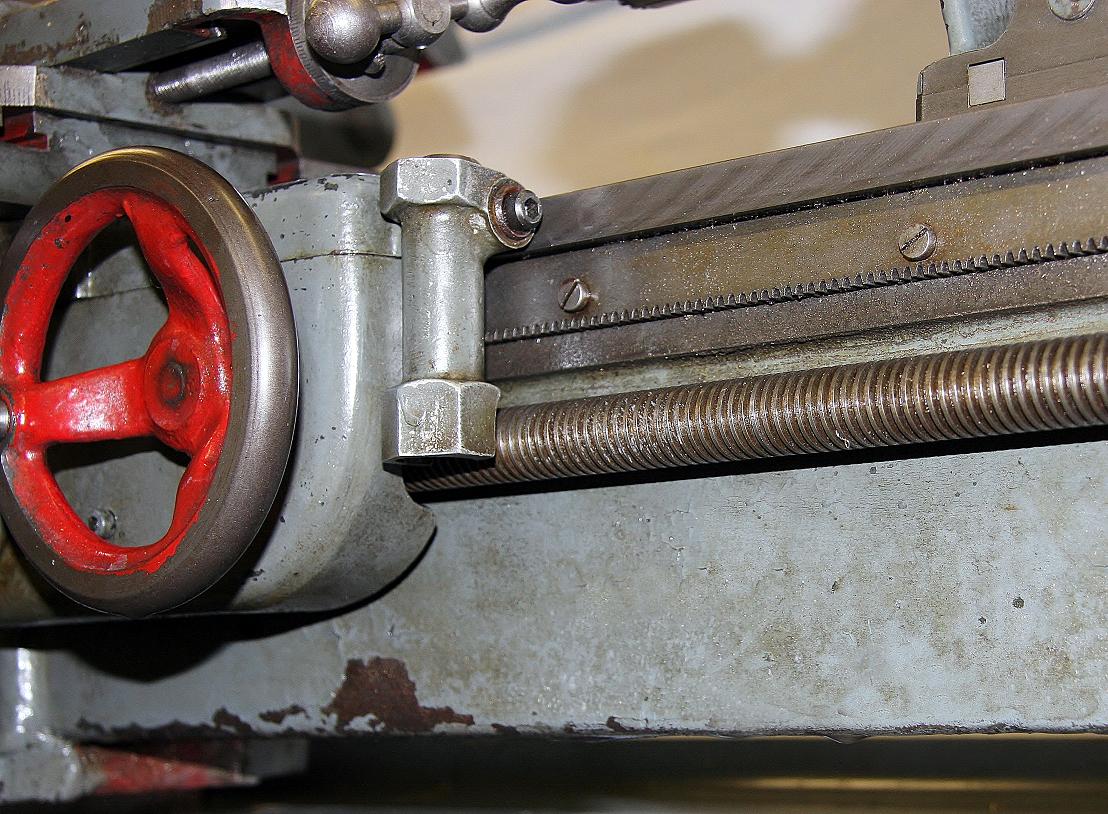
Manufactured for a short time in the early 1970s the Granville "Star" 4" x 24" or 36" is the rarest of the company's lathes. Although it shared a number of components with the well-established "Senior" model it was still a distinctly different and more highly-developed machine and built by the Burnett Machine Tool Company of Mytongate in Hull - although what connection that firm had with the original makers, the Corbett Company of Sutton-in-Ashfield, is not known. Whilst most small English lathes have been built with flat beds (with straight or 60-degree sides) the chilled, cast-iron 5-inch wide bed of the "Star" used V-and-flat ways. A gap in the bed was provided as standard and was able to accommodate a workpiece up to 111/2-inches in diameter and 21/8-inches thick. The open-topped headstock contained a 13/16"-bore, No. 3 Morse taper spindle with 15/8" x 8 t.p.i nose thread that ran in taper roller bearings. Although the speed-reducing backgear was arranged in an entirely conventional way, behind the headstock, its engagement was effected by a single lever fixed to the bolt-on cover plate a positioning not dissimilar to that used on the Mk. 2 underdrive Boxford. When the lever was turned it caused the large spindle gear (the bull wheel) to be slid forwards so that the dog clutch, which normally connected it to pulley, was released and simultaneous engagement made with the smaller of the two backgears. Although this was a simple and quick-to-operate system it did mean that small spindle gear and larger backgear had to remain constantly in mesh. A tumble reverse mechanism, fitted with steel gears, took the drive from headstock to the 3/4-inch diameter Acme-form leadscrew using a set of cast-iron changewheels mounted on a forked banjo arm. Whilst strengthening the assembly the fast-running steel gears would have been noisy and risked transmitting damaging forces to the gear cut into the end of the (expensive) headstock spindle. The solution adopted by many other makers was, perhaps, more sensible: to use quiet-running gears of fibre or nylon on the tumble-reverse that would also act as a drive-protecting shear point. Available as an option was a twin-tumbler screwcutting gearbox able to produce 52 pitches from 4 to 224 t.p.i and sliding feeds from 0.085" to 0.0015" per revolution of the spindle. By its appearance and specification the box looked, and almost certainly was, a straight copy of the well-regarded and reliable unit fitted to South Bend/Boxford lathes. Like the Myford ML7 the leadscrew extended beyond the tailstock-end support bearing to allow the fitting of a graduated handwheel. A self-contained V-belt drive motor-countershaft unit was mounted neatly behind the headstock. The recommended 0.5 h.p. 1425 rpm motor was fitted with a double-step pulley and this, combined with the 3-speed headstock pulley and backgear gave a total of 12 speeds: 40, 70, 100, 120, 190, 240, 320, 460, 660, 900, 1300 and 2000 rpm. Although the bed of the "Senior" had a flat-topped bed that on the "Star" was (unusually for an English-designed lathe) of the V and flat type. The complete carriage was, however (with the natural exception of the saddle) the same on both models with South-Bend/Boxford-like alligator-jaw clasp nuts and a compound slide rest with chrome-plated balanced handwheels. The cross-slide travel was a useful 6-inches and that of the top slide 33/8-inches. The apron was conventionally arranged, as before, with the handwheel placed sensibly on the right (away from hot chips) and a long cast cover fitted to the left-hand face to keep swarf off the leadscrew. Fitted with a No. 2 Morse taper socket the tailstock barrel had a travel of 4 inches and a ball-race thrust bearing. The top casting could be offset on the sole plate to cut shallow tapers and the unit was locked to the bed by a captive handle working through an eccentric lock. It seems that a batch of these machines was prepared for export fitted with Canadian-made 1720 rpm motors and "American" rocker-type tools posts. If you have a Granville Senior, or any literature concerning them, the writer would be pleased to hear from you. Tony Griffiths
|
|
|
|
|
|
|
 |
|
|
|
|
|
The Granville "Star" 4-inch centre height by 24 or 36-inches between centres
|
|
|
|
|
|
|
|
|
|
|
 |
|
|
|
|
|
|
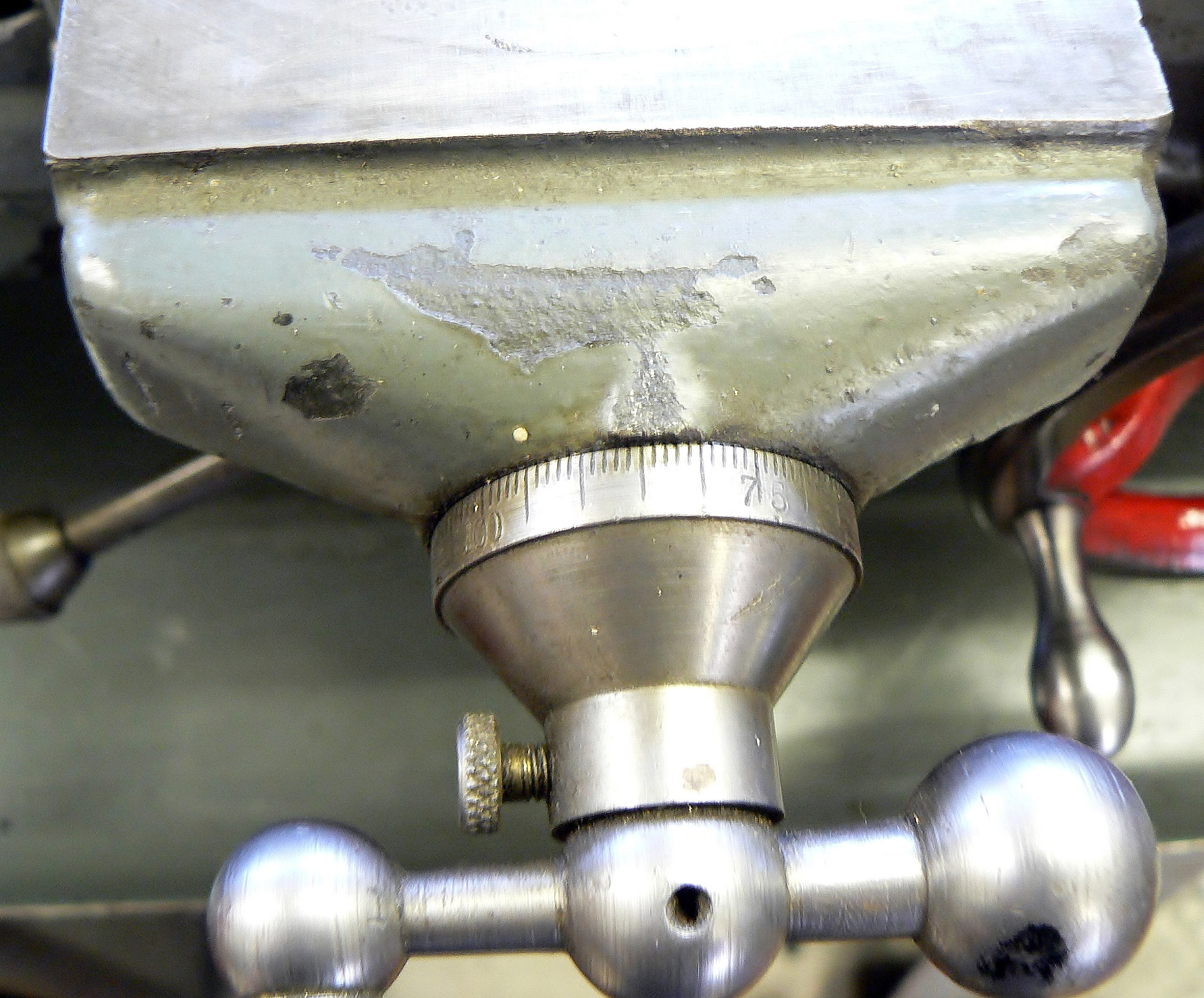
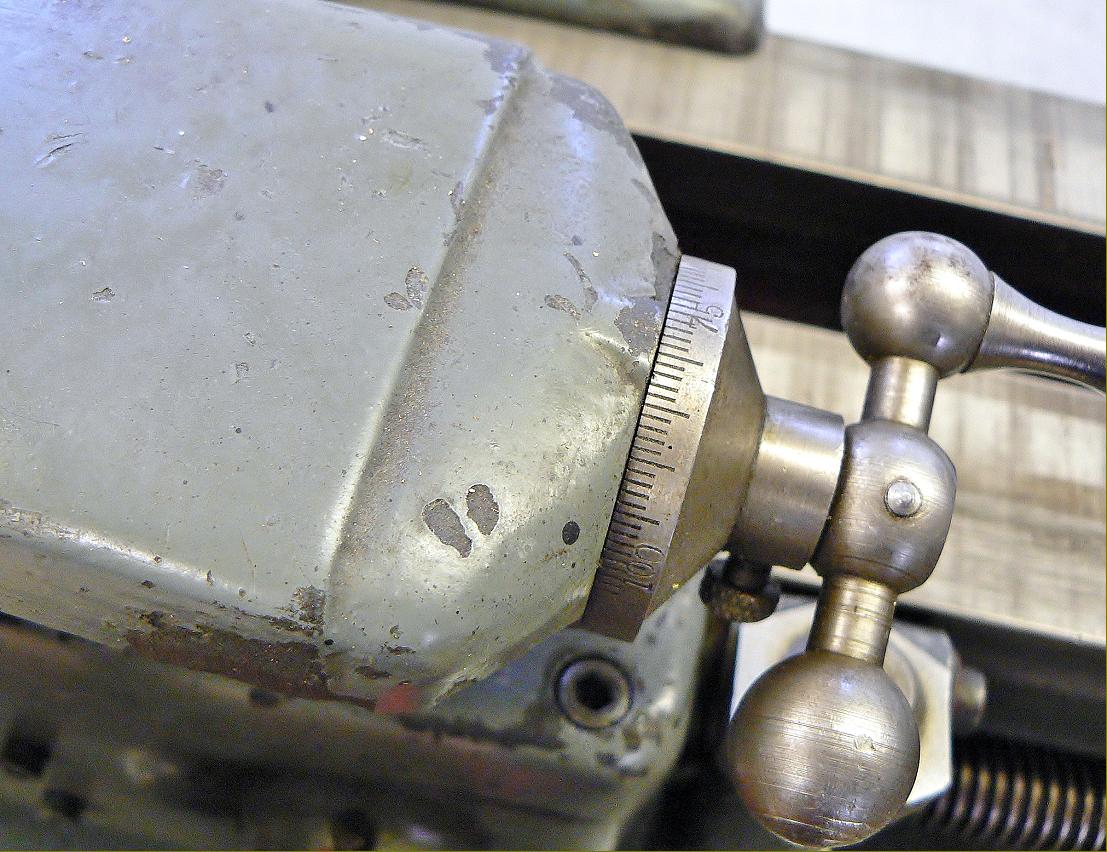
The complete carriage was identical to that used on the "Senior" Model with South-Bend/Boxford-like alligator-jaw clasp nuts and a compound slide rest with chrome-plated handles.
|
|
|
|
|
|
|
|
|
|
|
 |
|
|
|
|
|
|
|
A self-contained V-belt drive motor-countershaft unit was mounted neatly behind the headstock. The recommended 0.5 h.p. 1425 rpm motor was fitted with a double-step pulley and this, combined with the 3-speed headstock pulley and backgear gave a total of 12 speeds: 40, 70, 100, 120, 190, 240, 320, 460, 660, 900, 1300 and 2000 rpm.
|
|
|
|
|
|
|
|
|
|
|
|
|
 |
|
|
|
|
|
|
The drive from headstock to 3/4-inch diameter Acme-form leadscrew passed through a tumble reverse mechanism fitted with steel gears and through a set of cast-iron changewheels mounted on a forked banjo arm. Whilst strengthening the assembly the fast-running steel gears would have been noisy and risked transmitting damaging forces to the gear cut into the end of the (expensive) headstock spindle. The solution adopted by many other makers was, perhaps, more sensible: to use quiet-running gears of fibre or nylon to act as a drive-protecting shear point.
|
|
|
|
|
|
|
|
|
|
|
 |
|
|
|
|
|
|
|
|
Available as an option was a twin-tumbler screwcutting gearbox able to generate 52 pitches from 4 to 224 t.p.i and sliding feeds from 0.085" to 0.0015" per revolution of the spindle. By its appearance and specification the box looked, and almost certainly was, a straight copy of the well-regarded and reliable unit fitted to South Bend/Boxford lathes.
|
|
|
|
|
|
|
|
|
|
|
 |
|
|
|
|
|
|
|
|
|
|
|
|
Fixed steady--identical to that used on the Series 7 Myford
|
|
|
|
|
|
|
|
|
|
|
|
|
|
|