
|
Home Machine Tool Archive Machine-tools Sale & Wanted A Handbook and Manual is available for the F1 and other F Series Models Aciera F1 Page 2 Aciera F1 Page 3 Aciera F1 CNC Aciera F11 Aciera F12 Aciera F2 Aciera F3 Aciera F4 |
||
|
Aciera was founded in Le Locle, Switzerland, in 1903, in an area long associated with the manufacture of high-precision mechanical timepieces. Their first products were exclusively for the local watch and clock-making industries but, with the advent of WW1 (in 1914), production expanded to include machine tools that could be sold into a wider market. By the mid 1970s the Company was at its zenith, with a recently completed factory at Le-Crêt-du-Locle and more than 134 production machines in use. Unfortunately, these good times were not to last and, after a disastrous attempt to move too early into NC machines (although the F1NC ran from late in 1970 until 1986) and a buy-out by the German Hermle Machine Tool Group, bankruptcy followed in 1992 - with the assets bought by an Indonesia company. An attempt at production overseas appears to have been made, but the surviving photographs show a machine of indifferent quality with many of the cast parts replaced with bolted together, plate fabrications. |
|
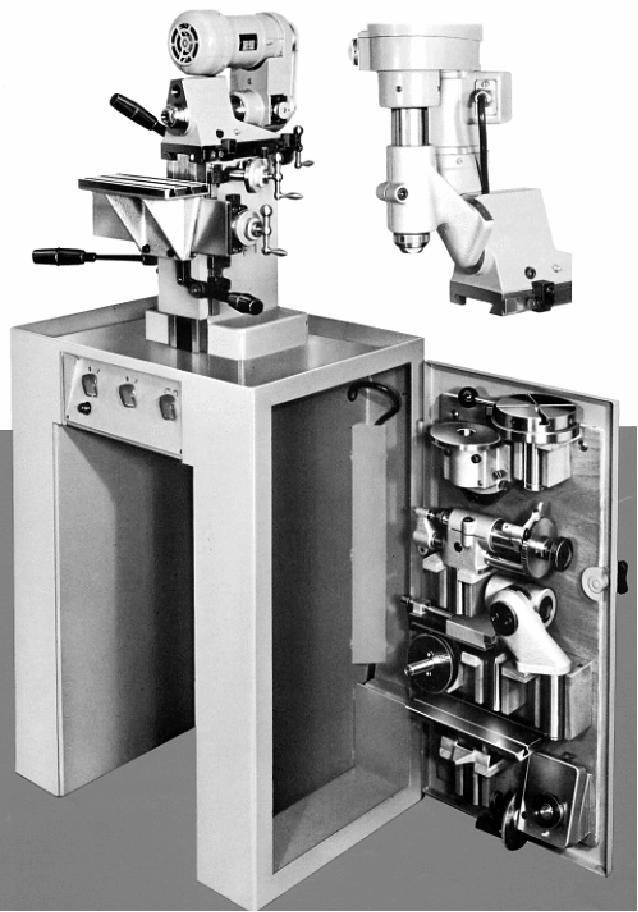
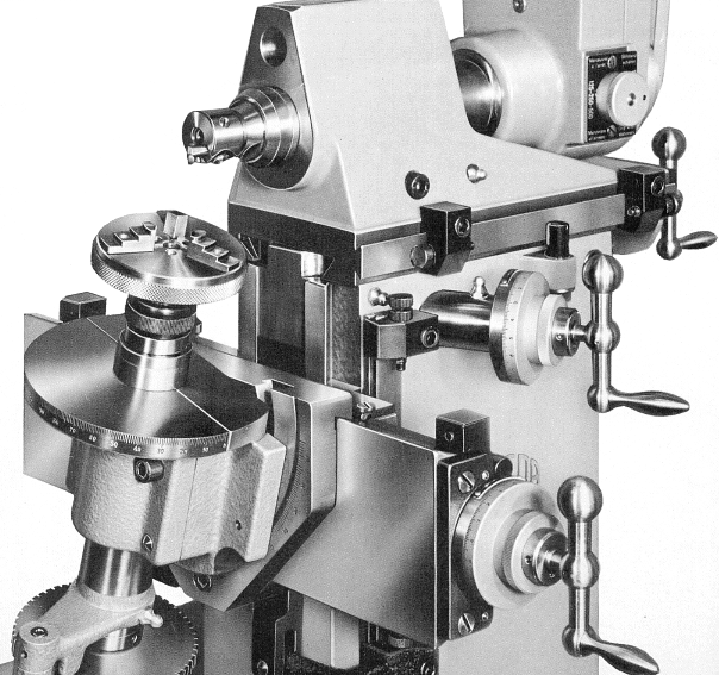
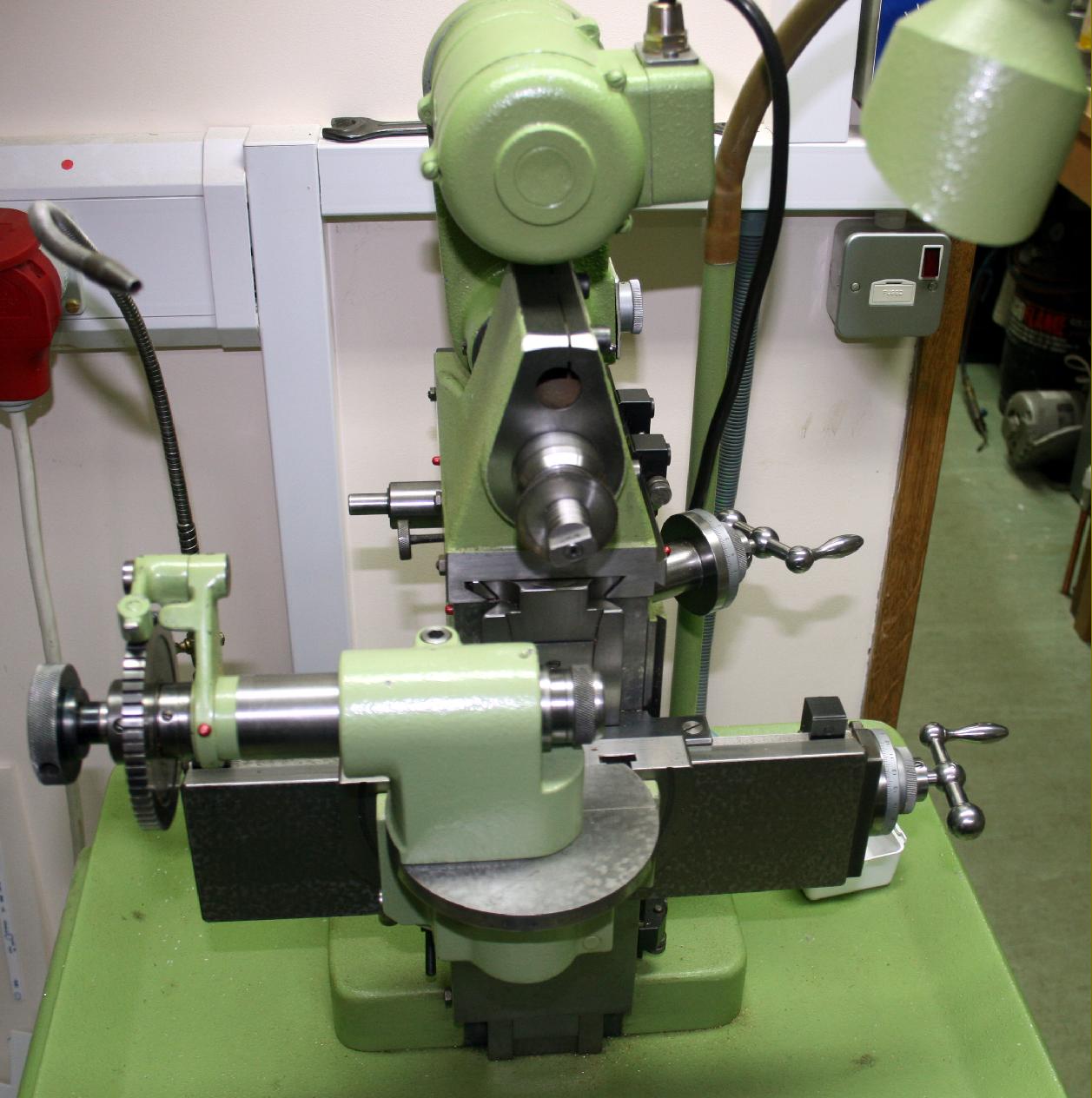
The superb Aciera F1 Universal Precision Milling Machine - with the plain table mounted. |
|
|
||

|
|

|
|
|
Aciera F1 CNC Aciera F11 Aciera F12 Aciera F2 Aciera F3 Aciera F4 Home Machine Tool Archive Machine-tools Sale & Wanted |
||