
|
Home Machine Tool Archive Machine-tools Sale & Wanted A detailed manual is available for the "Ace" 9-inch lathe |
||
|
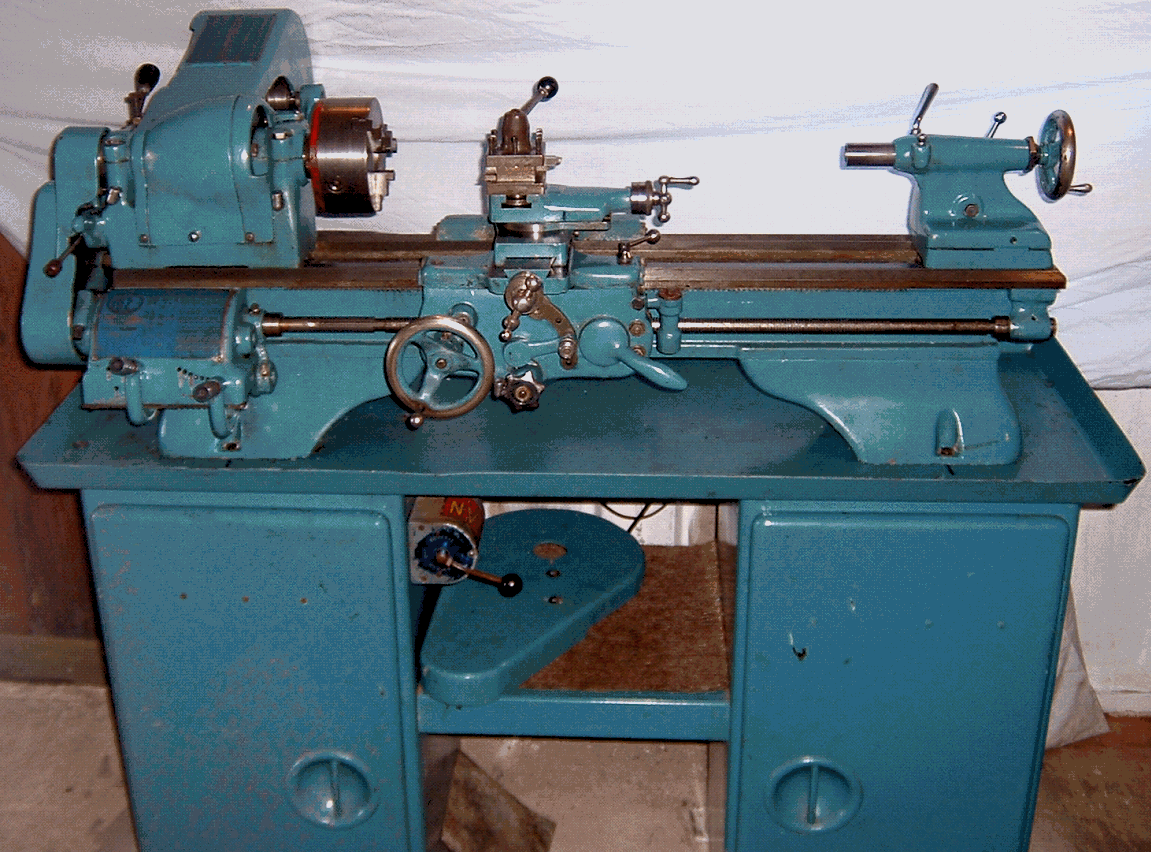
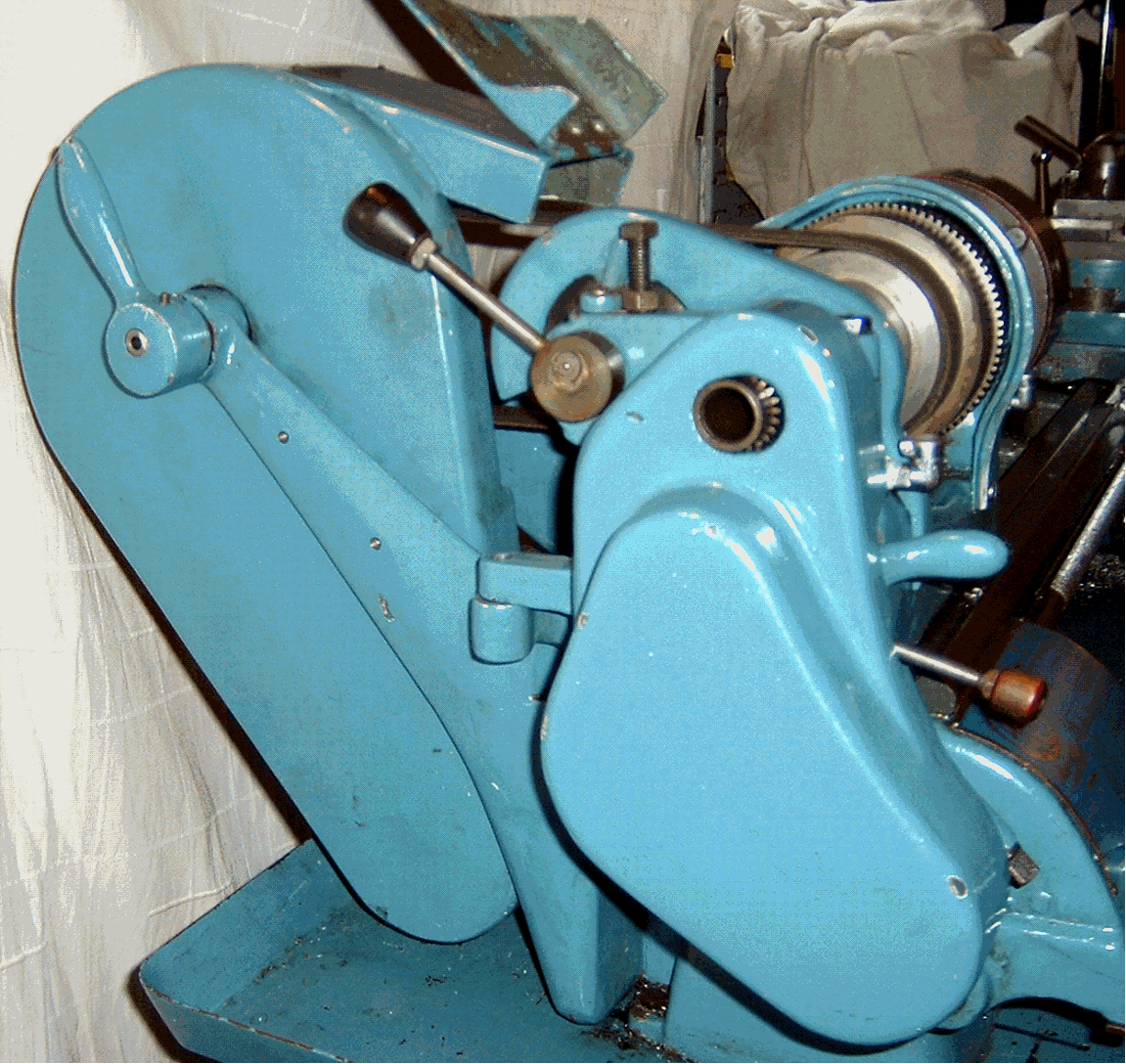
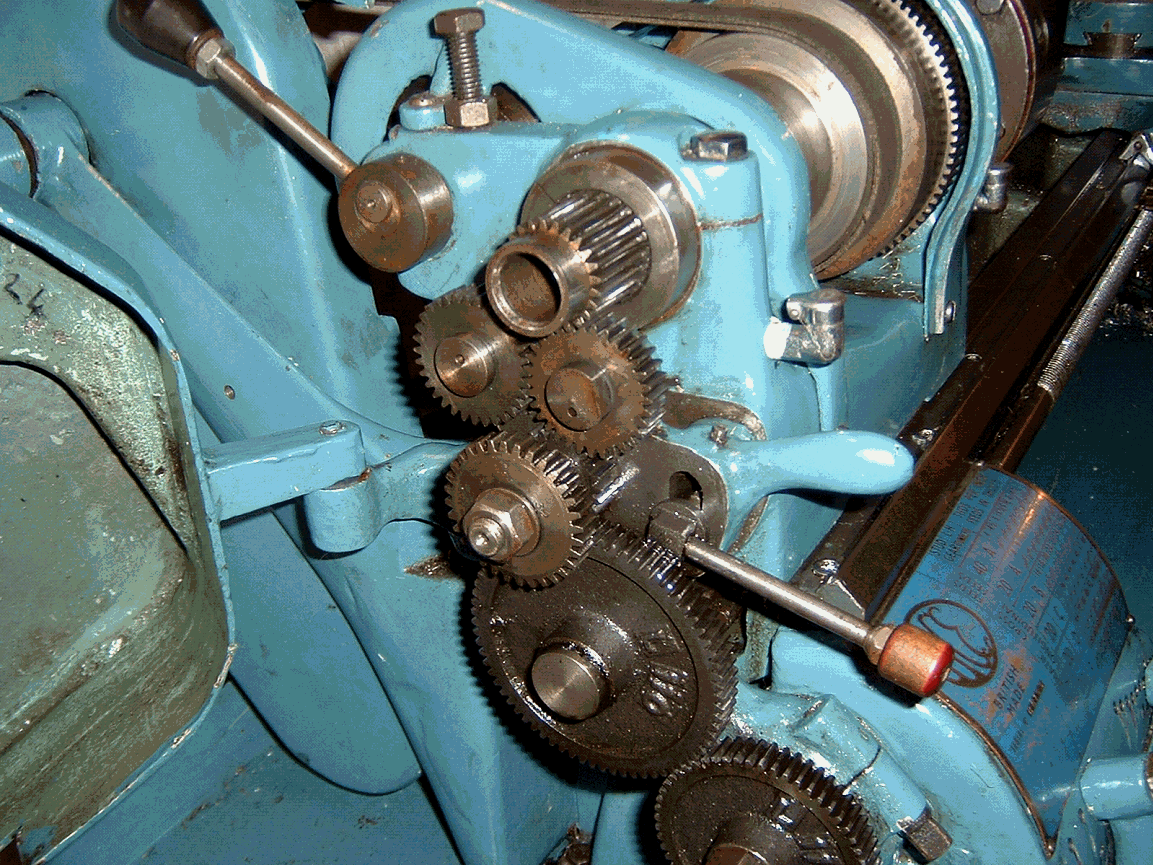
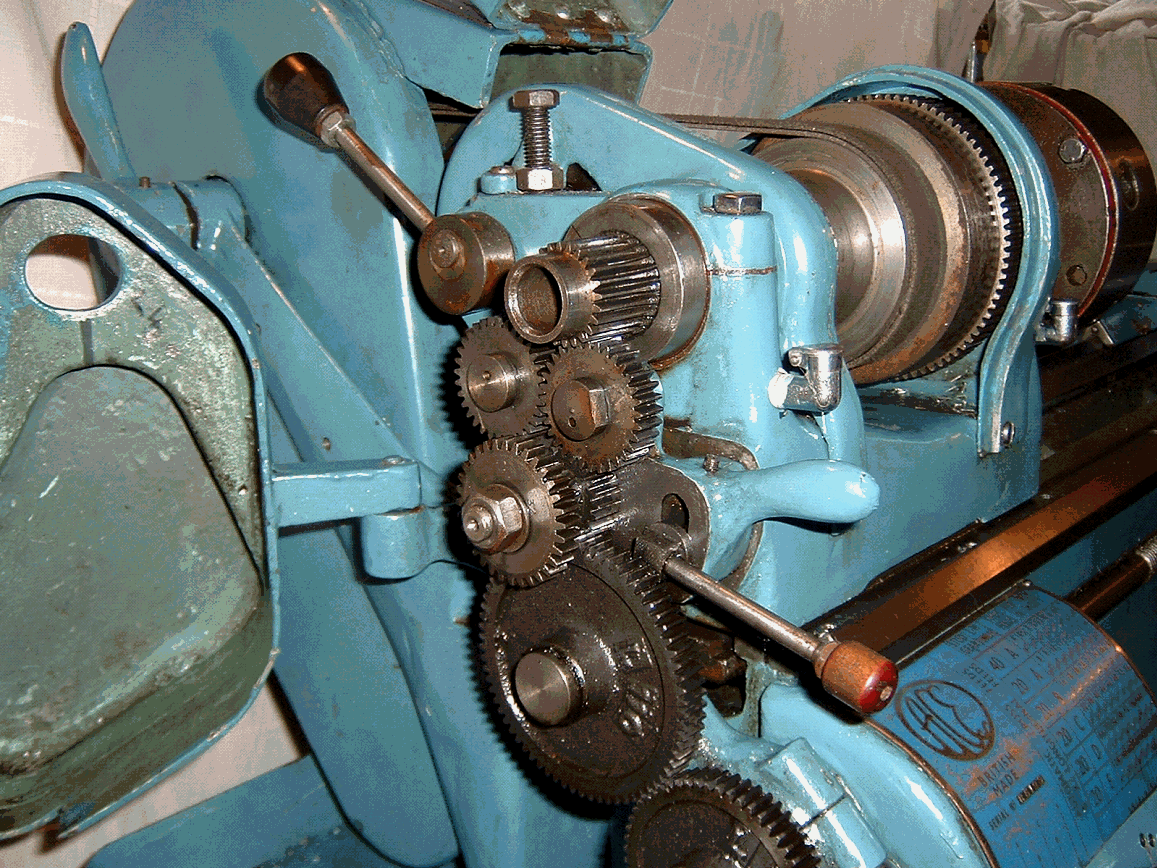
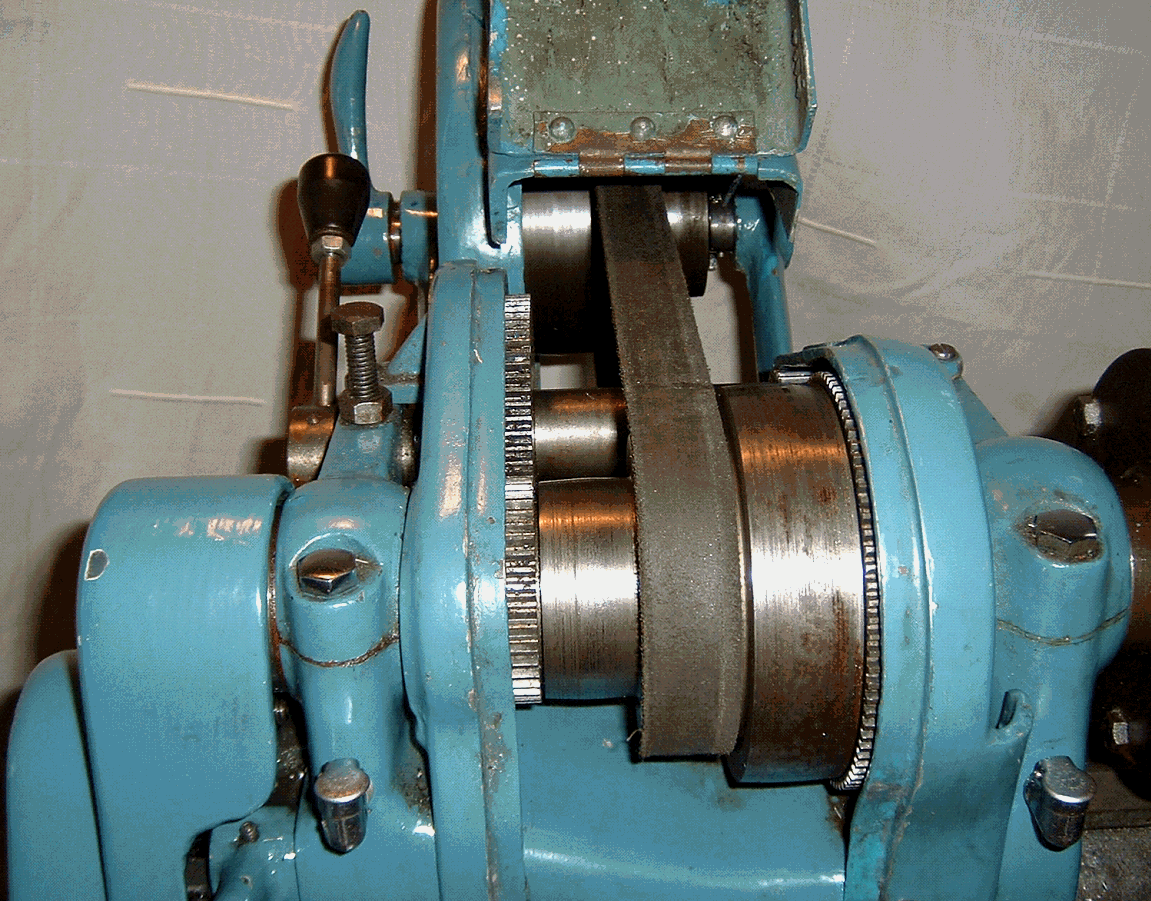
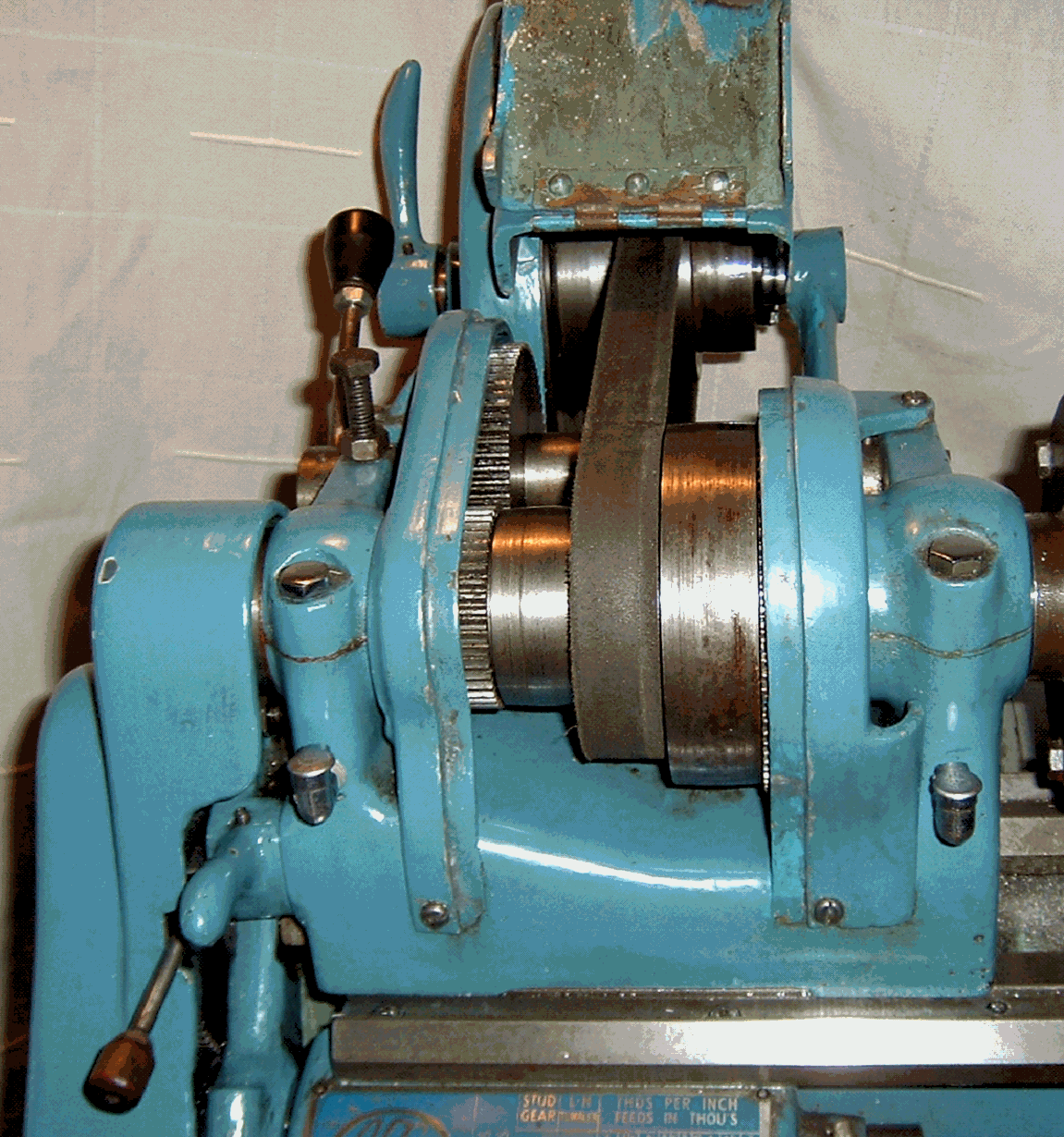
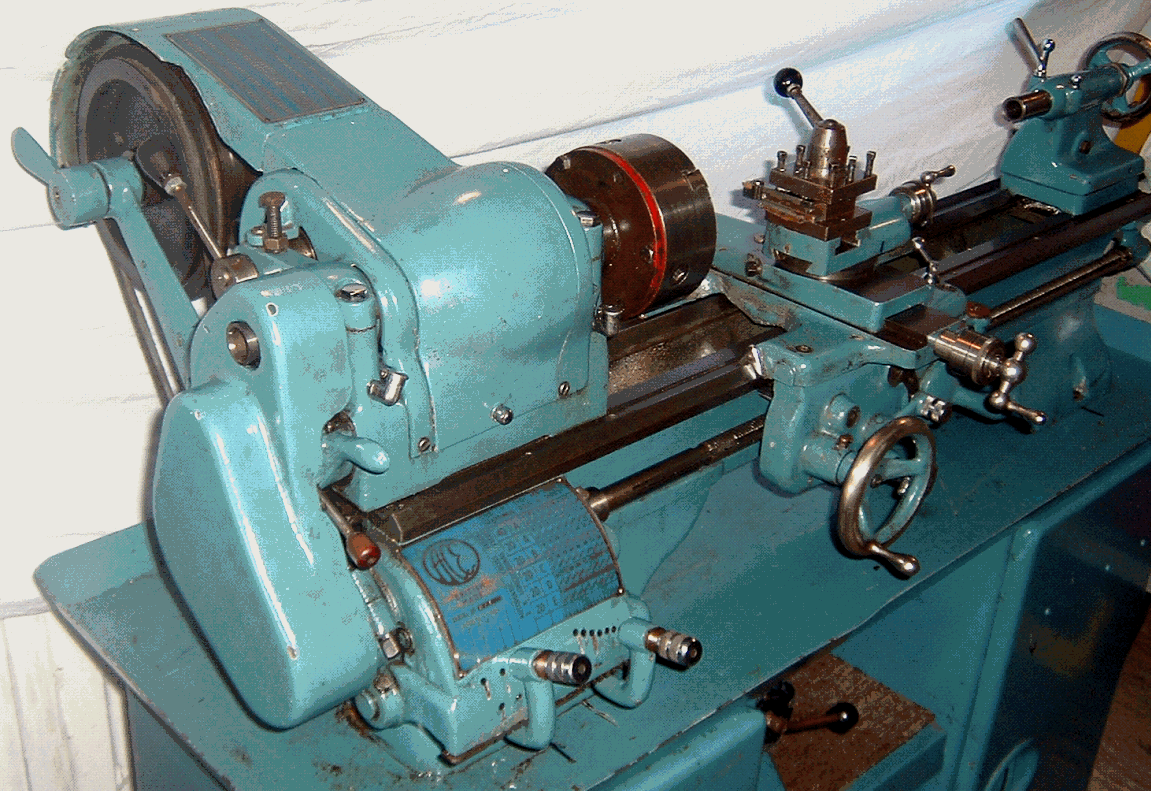
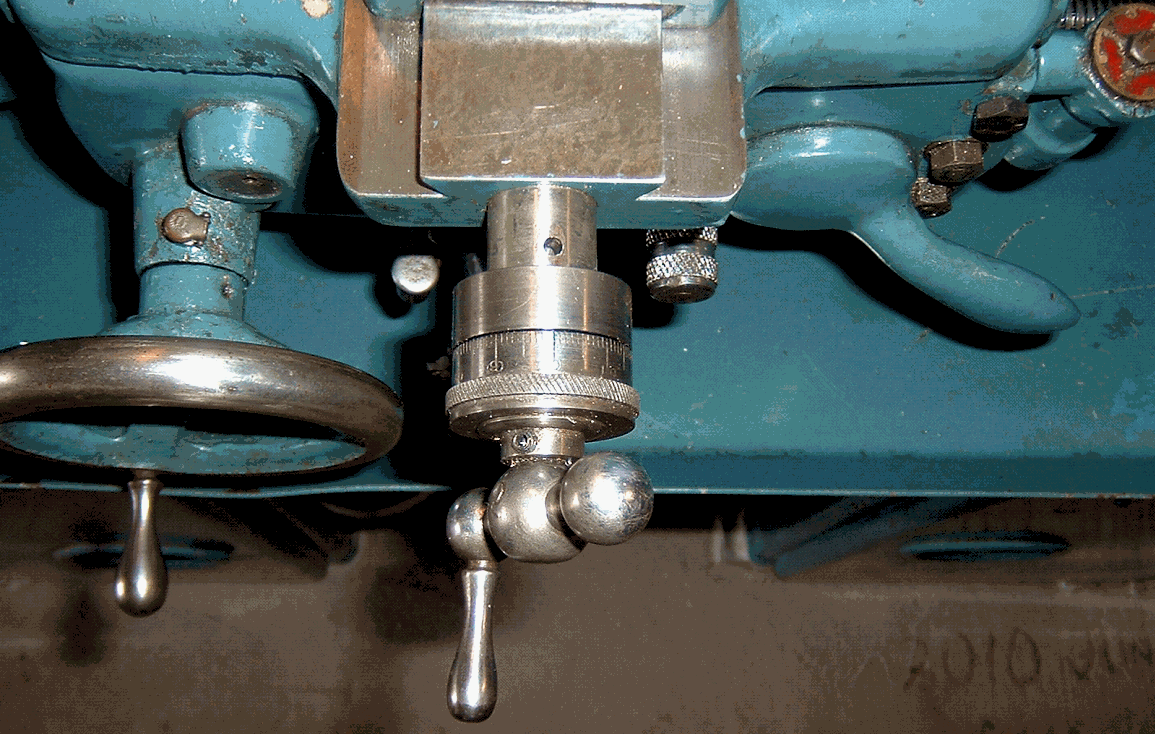
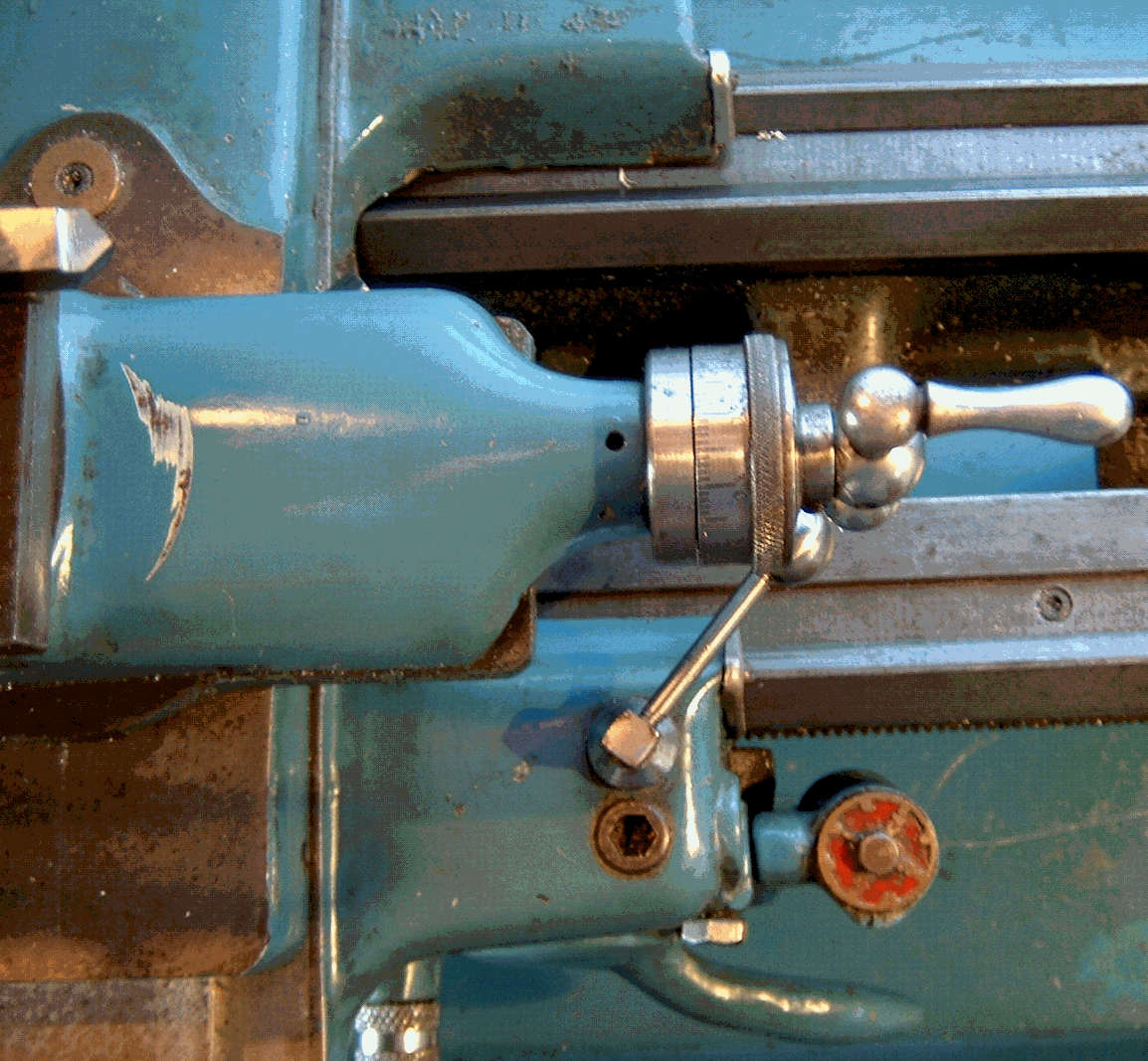
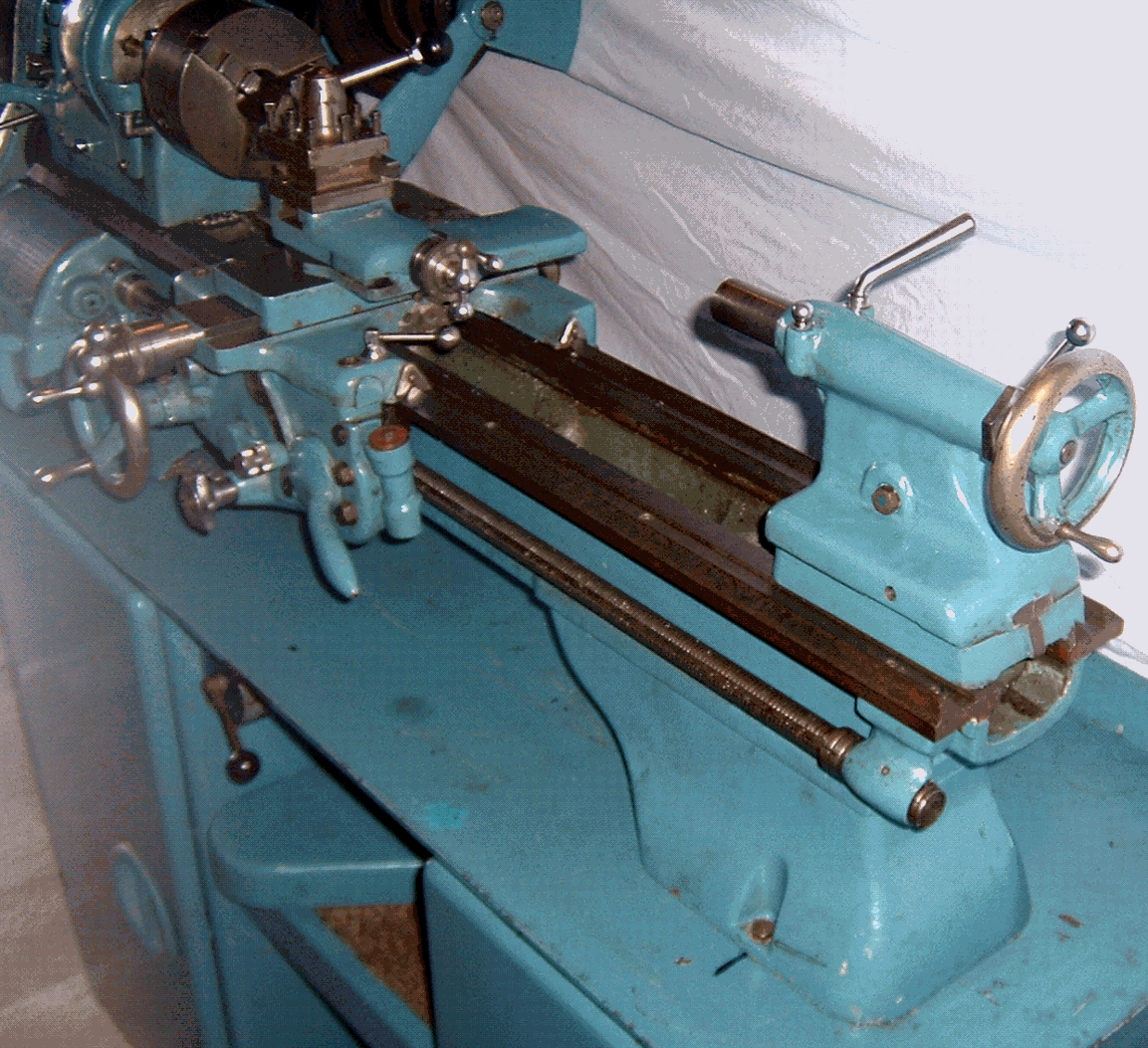
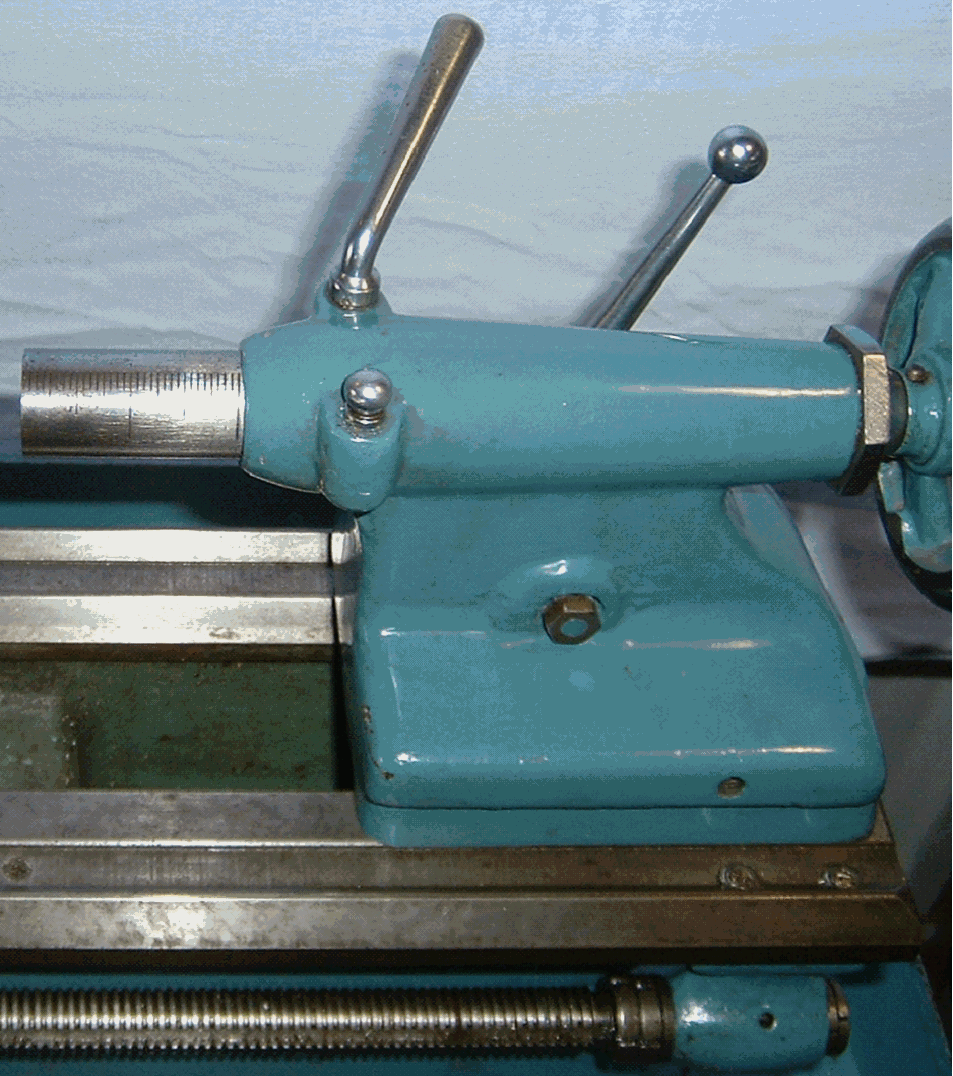
Although the history of the Ace Company is not known - they appear to have been shy of advertising - the branding was used on lathes from the 1920s until the 1940s and possibly later. A number of different sizes were offered, some looking to be German in origin and nearly all having some easily-changed part like a cast-iron door changed to accommodate the "Ace" logo (examples are shown lower down the page). However, one Ace model machine is instantly recognisable, a straightforward copy of the well-known American 9-inch South Bend - in this case to "Model A" specification with a screwcutting gearbox, power sliding and surfacing feeds and as made from the late 1930s. Marked as "British Made", it retained the main dimensions of the original but with a slight increase in centre height (achieved by thickening the depth of the cross slide) and with the capacity between centres set at around 24 inches. The main mechanical parts of the lathe, bed, headstock, the complete carriage assembly and tailstock - appear to have been faithful reproductions of the South Bend. However, as was often the case with similar 9-inch clones, a number of modifications and improvements were incorporated to address some of the original's shortcomings: the bed feet were made longer, the cross and top-slide micrometer dials increased in diameter (a most useful modification) the all-important countershaft bolted to the back of the bed to make a complete, self-contained unit. The tailstock was given a permanently-mounted lever to lock it to the bed, a much longer arm to lock the barrel - and with the latter carrying both inch and metric ruler graduations. The original South bend had its leadscrew end float taken out at just the gearbox end but the Ace provided screwed adjuster rings at each end - probably allowing the leadscrew to be set in tension. Unlike most South Bend bench lathes produced before the late 1940s, the Ace enjoyed complete, factory-installed belt guarding - something that took the American company many years to provide on other than versions intended for training use. |
|
email: tony@lathes.co.uk Home Machine Tool Archive Machine-tools Sale & Wanted |
||