
|
Home Machine Tool Archive Machine-tools for Sale & Wanted Spindle Dividing Attachment? Boxford Home Page Boxford Models A, B, C, AUD, BUD & CUD Model ME10 Boxford VSL & 500 Vari-Speed Model T & TUD Training Lathes Miniature Precision Boxfords Larger Precision Boxford Model CSB AUD Photo Essay Serial Numbers Screwcutting Gearbox Boxford Accessories Drive Systems Precision Tools South Bend Clones Late Model Boxfords Spare Parts For Sale Catalogue Covers Gap-bed Boxford Boxford Aprons Little Giant Tool Post Grinder We also supply changewheels and many other spares including We also supply changewheels and other spares including |
|
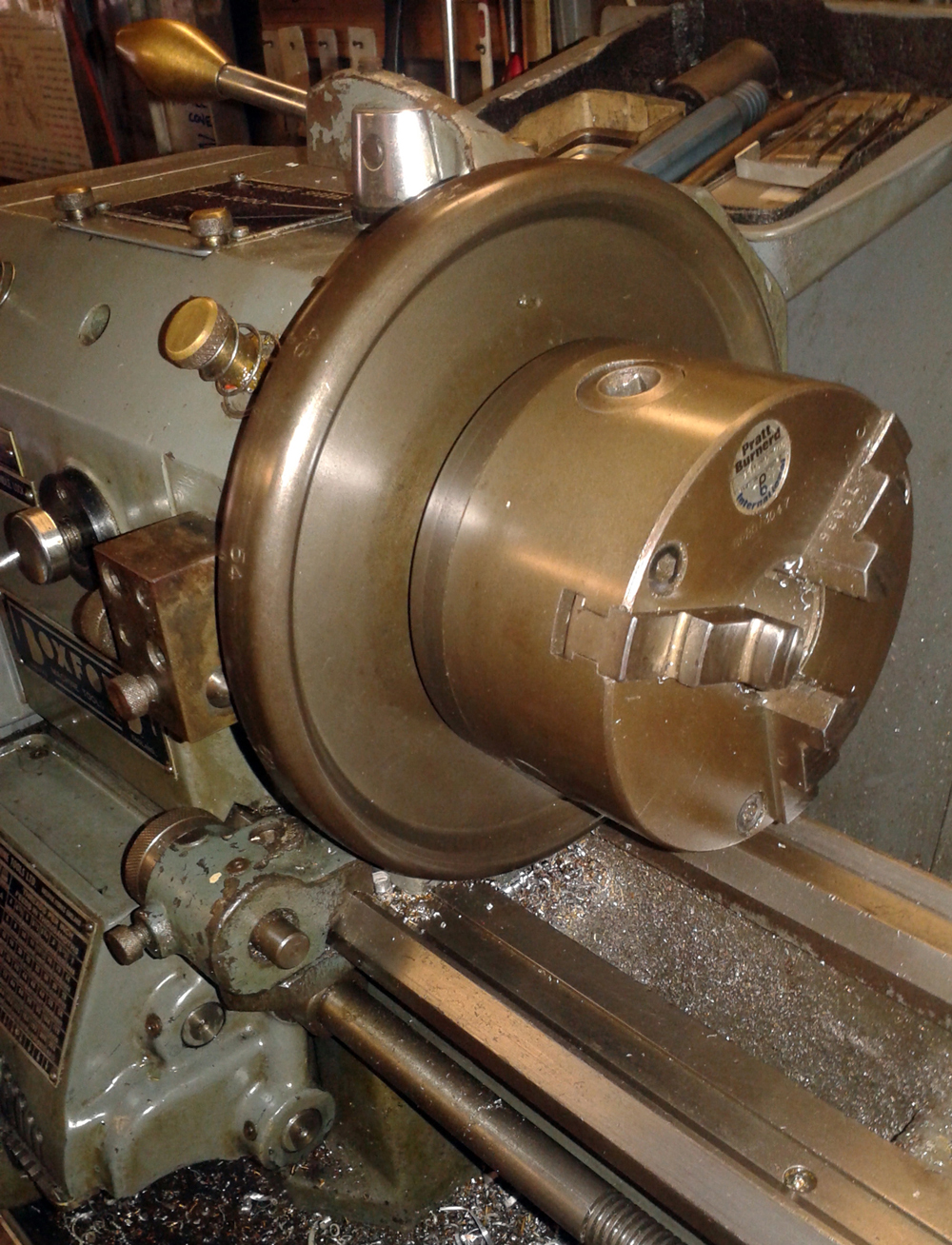
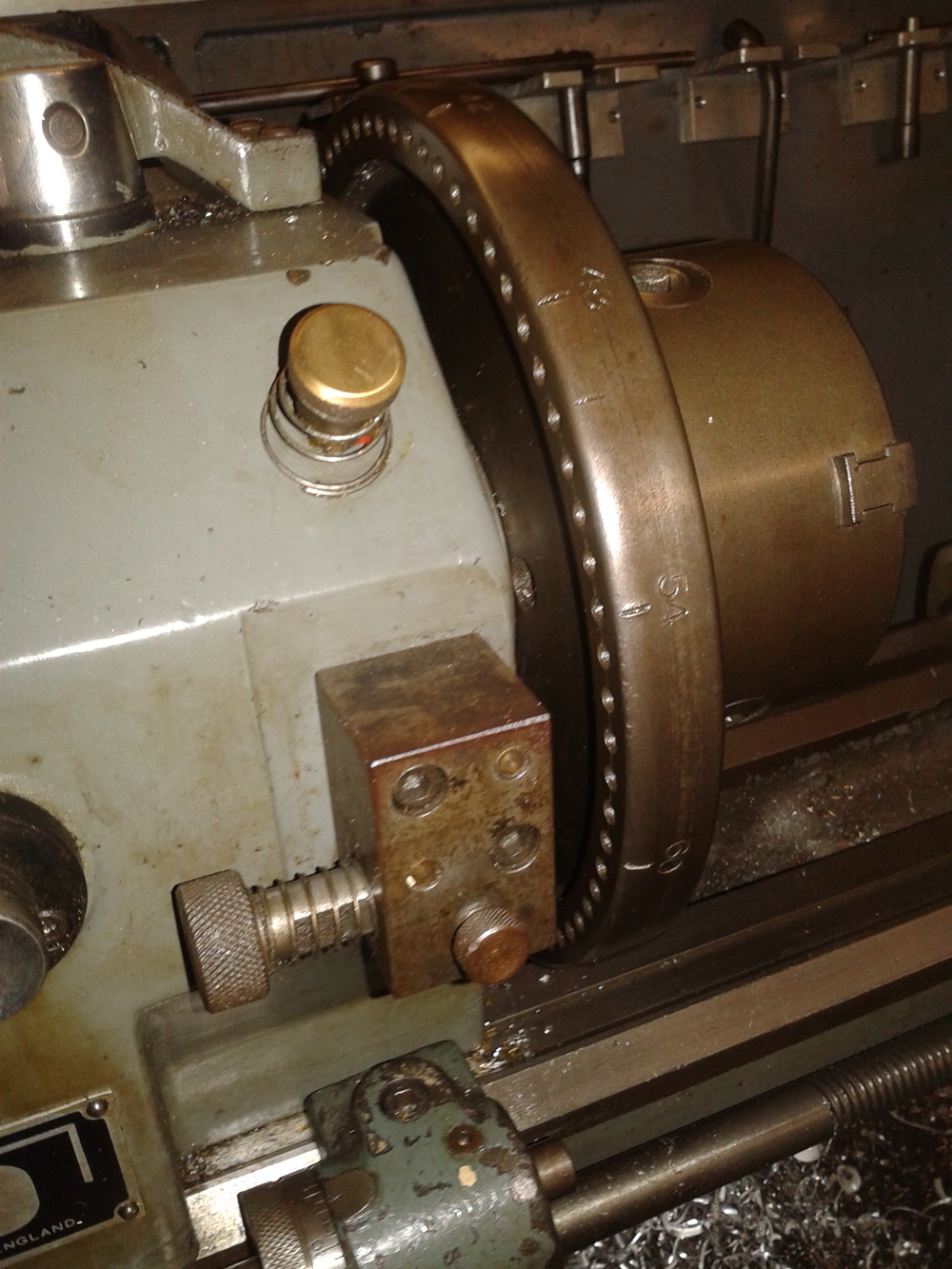
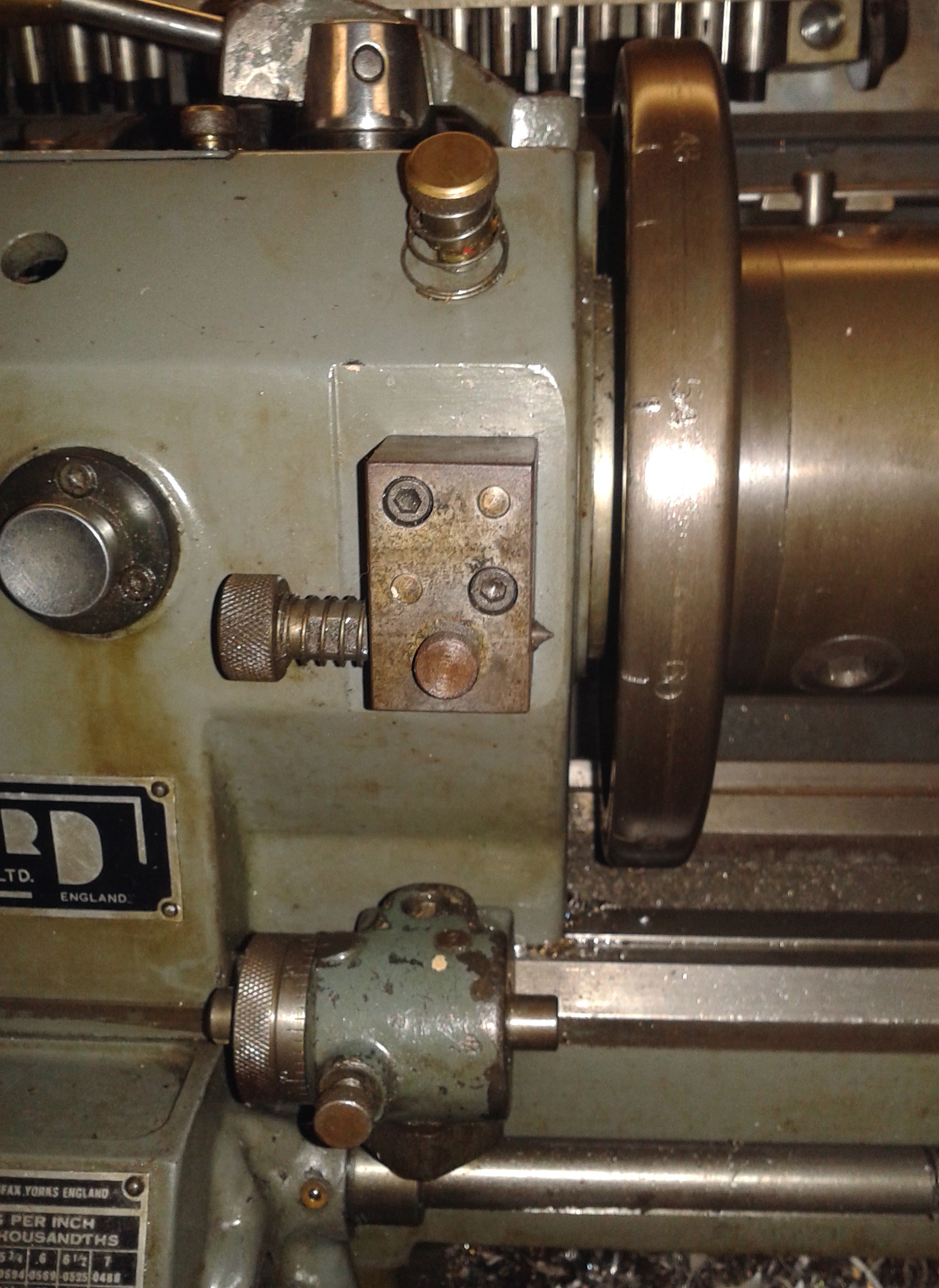
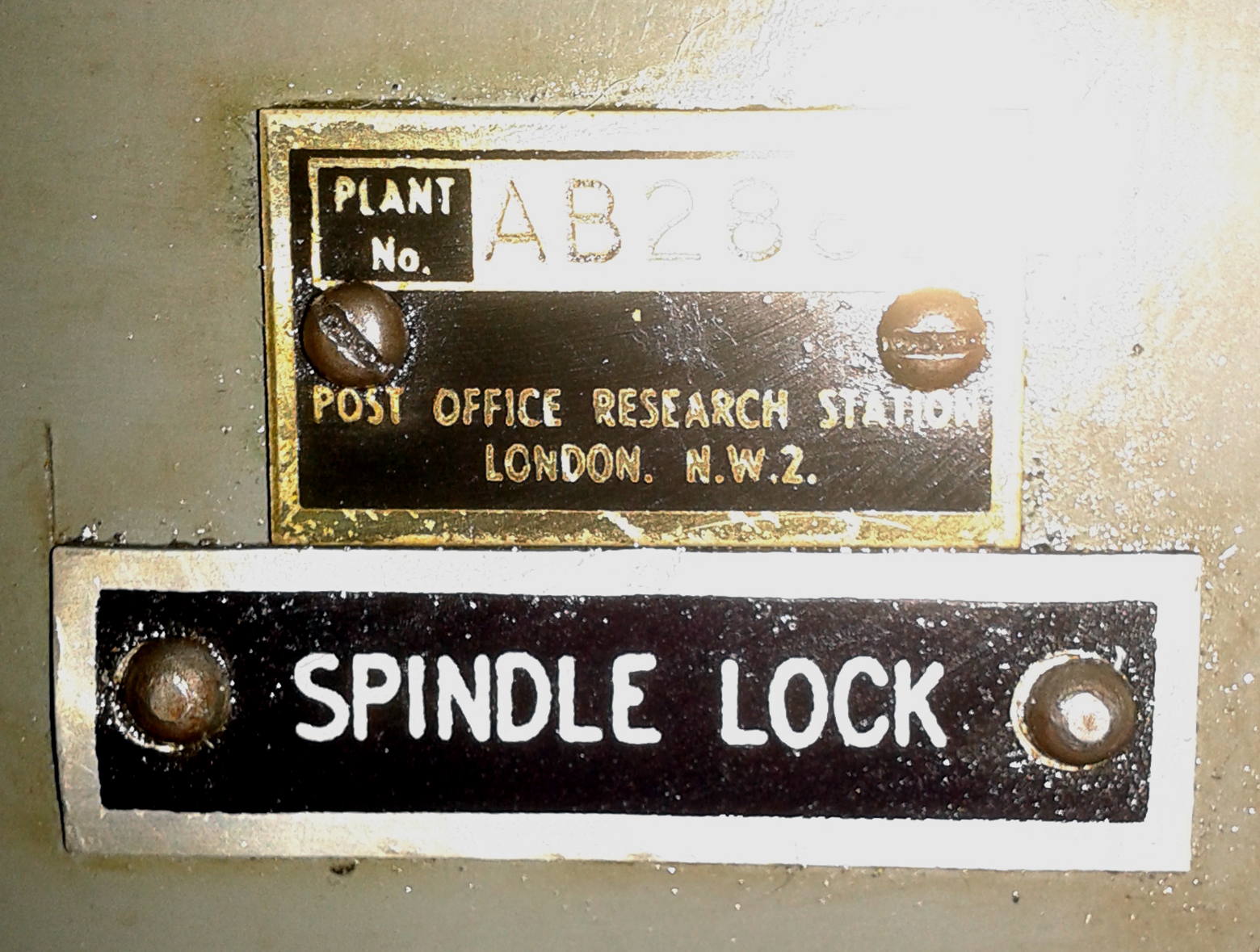
An unusual - probably unique - fitting found on a 1969 Boxford VSL lathe supplied originally to the Post Office Research Station in Dollis Hill London N.W. 2. Although it's entirely possible that the modifications were made in the Post Office workshops, the fact that the front face of the headstock has been machined with a flat section to take the indexing block does hint at genuine Boxford fitment. |
||
|
Model ME10 Boxford VSL & 500 Vari-Speed Model T & TUD Training Lathes Miniature Precision Boxfords Larger Precision Boxford Model CSB AUD Photo Essay Serial Numbers Screwcutting Gearbox Boxford Accessories Drive Systems Precision Tools South Bend Clones Late Model Boxfords Spare Parts For Sale Catalogue Covers Gap-bed Boxford Boxford Aprons Little Giant Tool Post Grinder We also supply changewheels and many other spares including We also supply changewheels and other spares including Home Machine Tool Archive Machine-tools for Sale & Wanted |