
|
Home Machine Tool Archive Machine-tools Sale & Wanted Hall Lathes Page 2 |
||
|
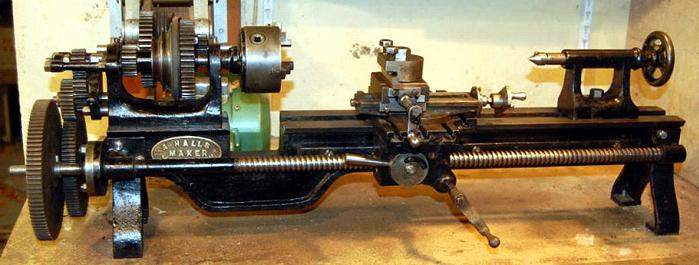
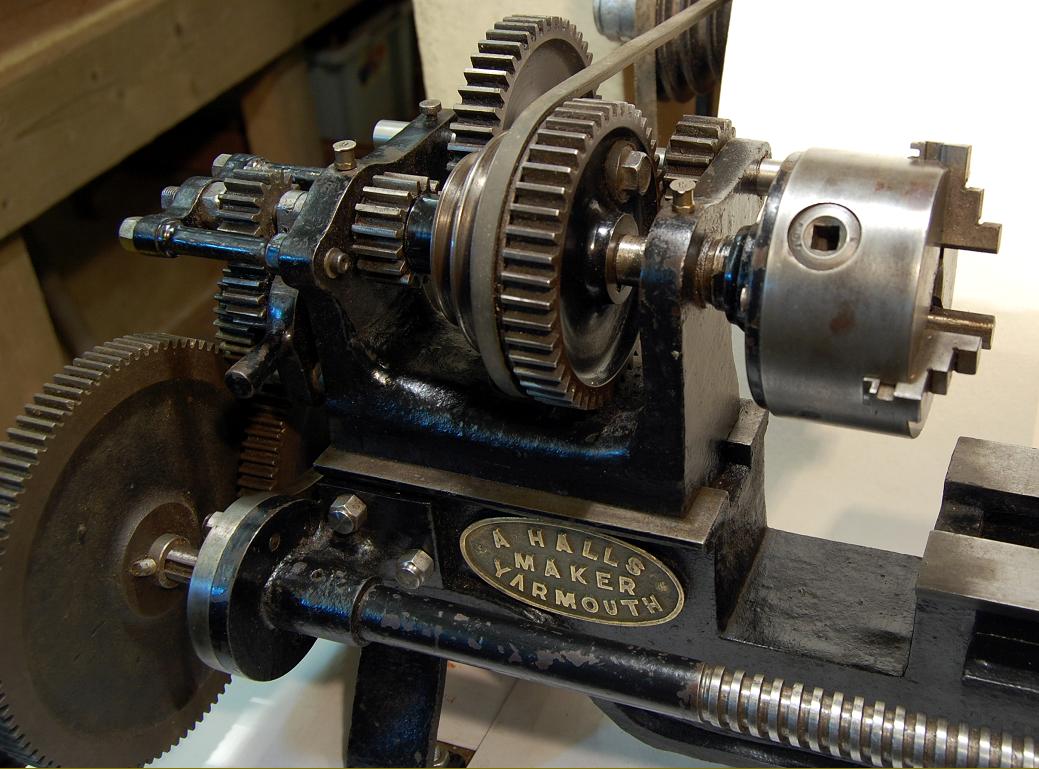
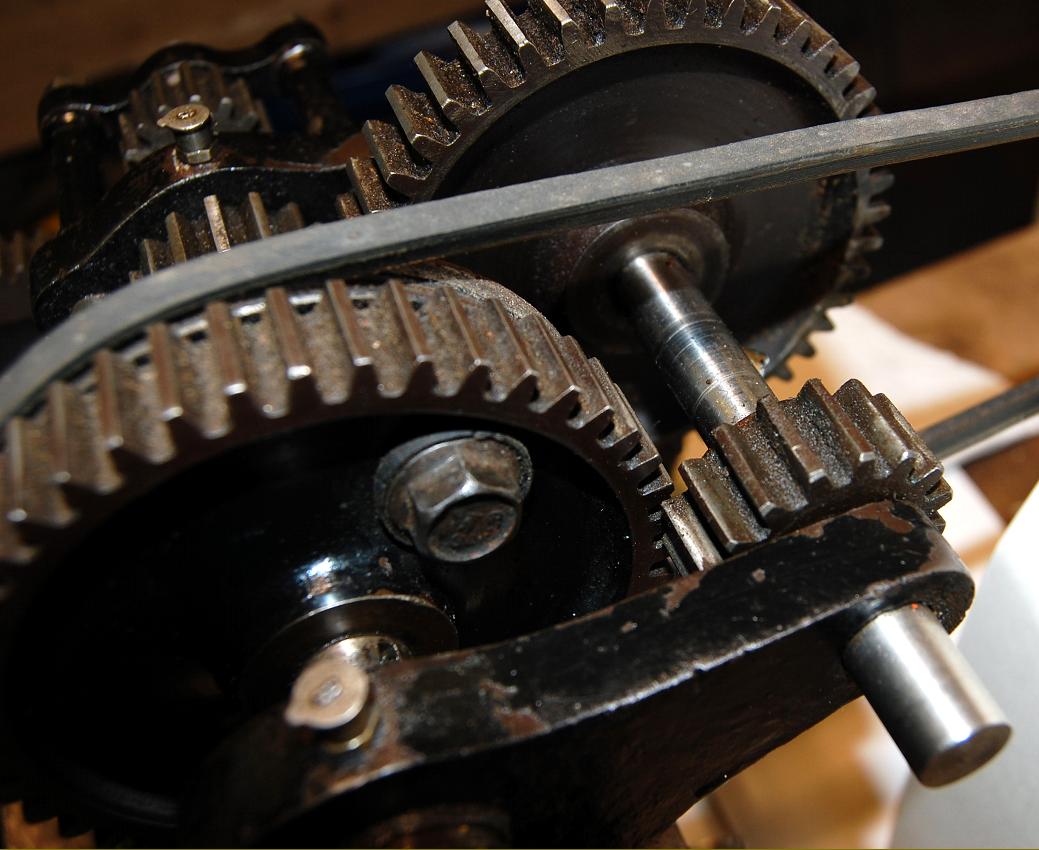
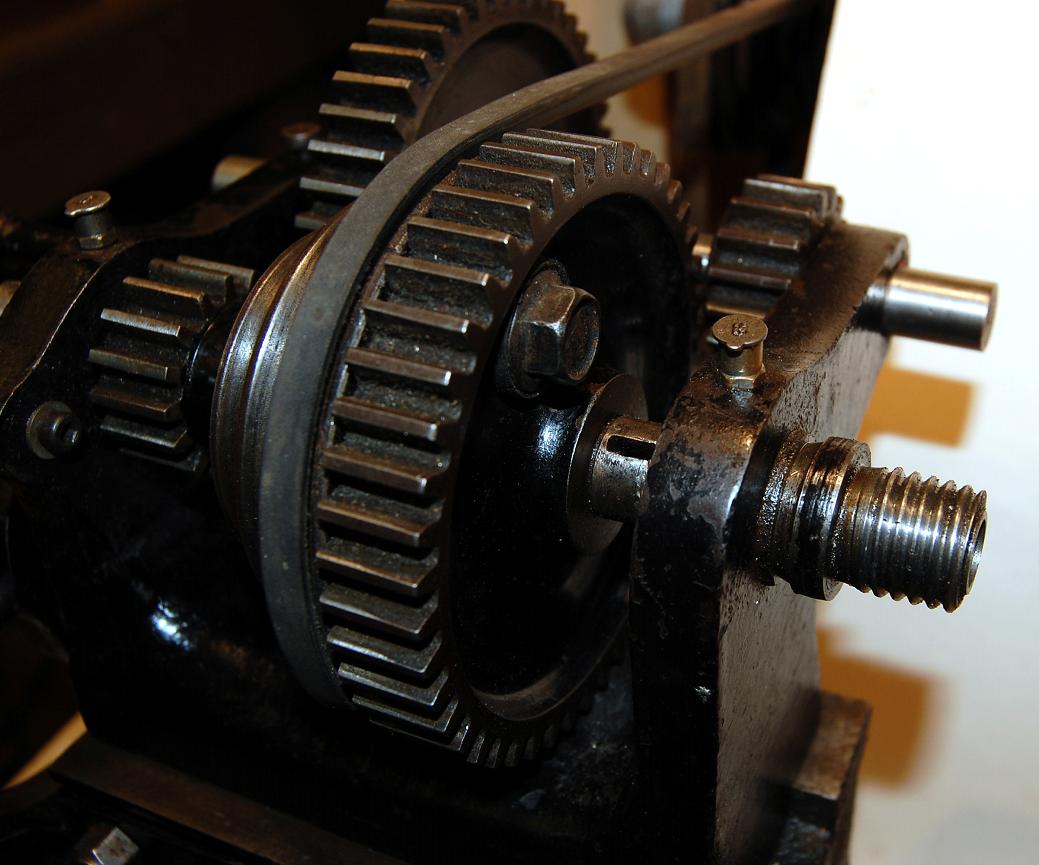
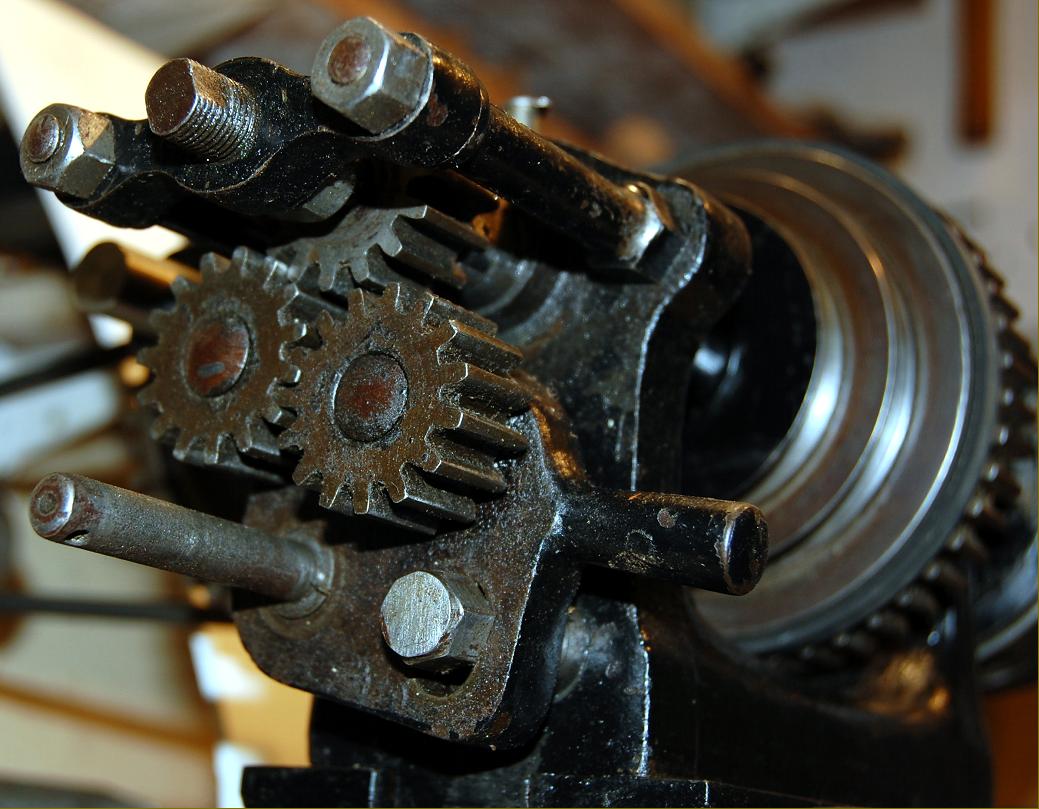
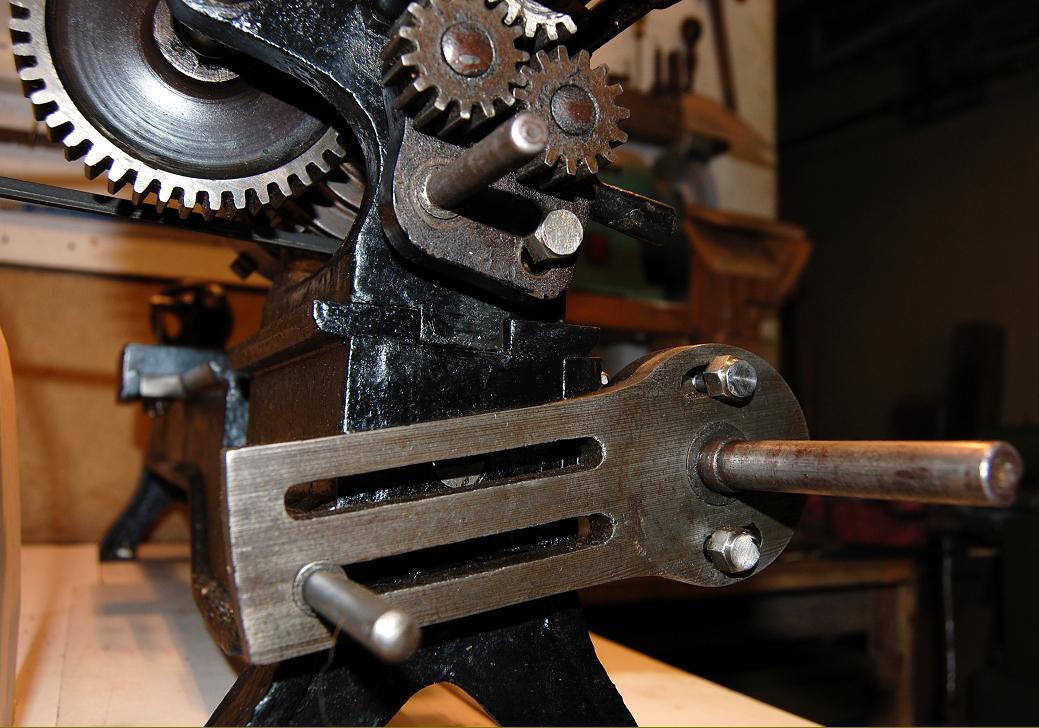
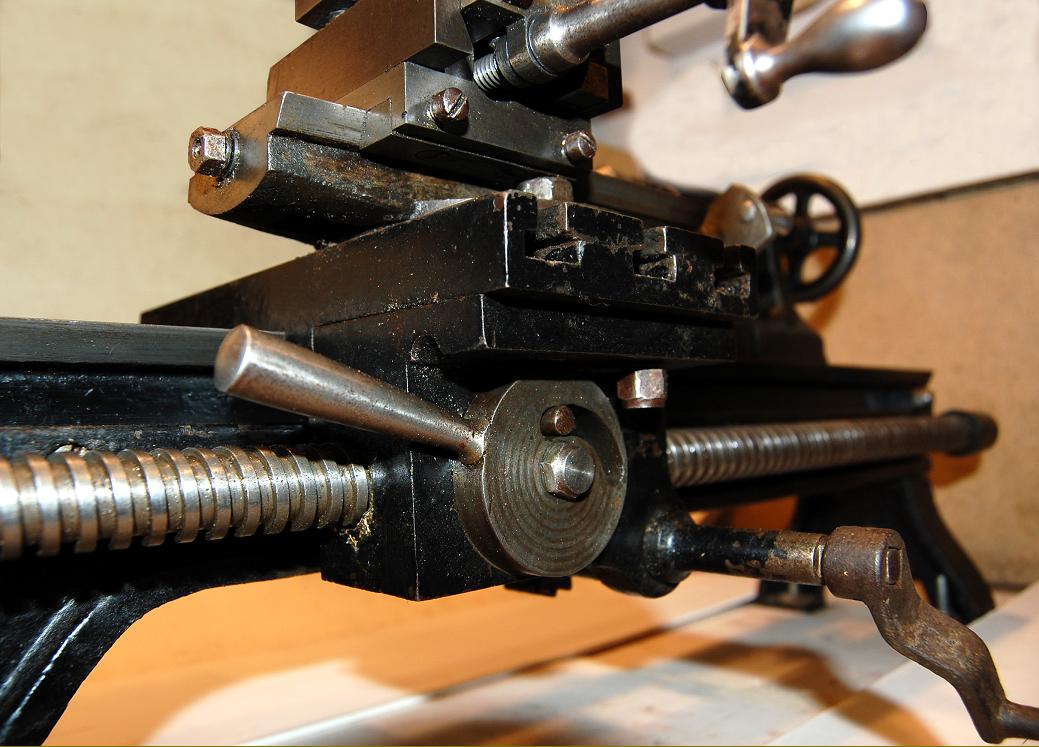
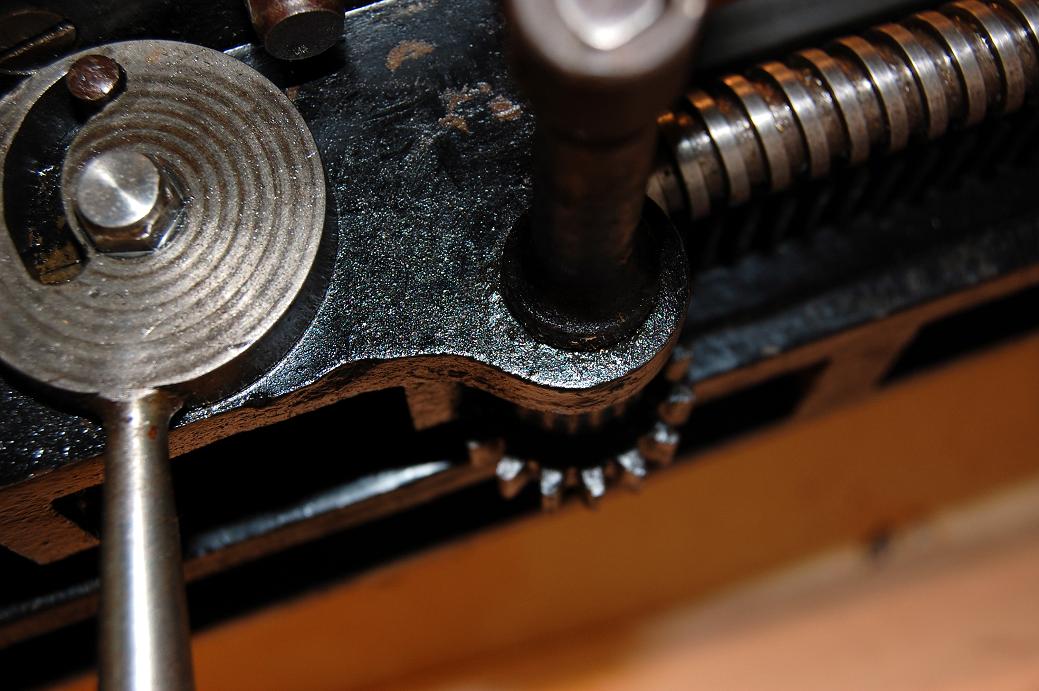
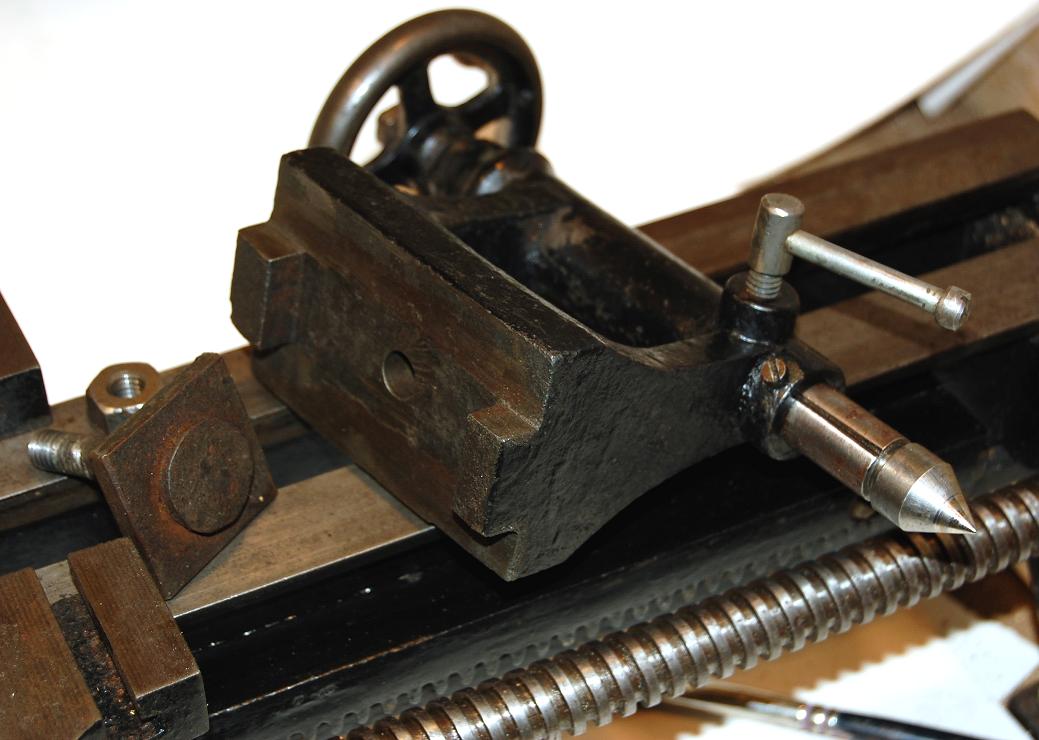
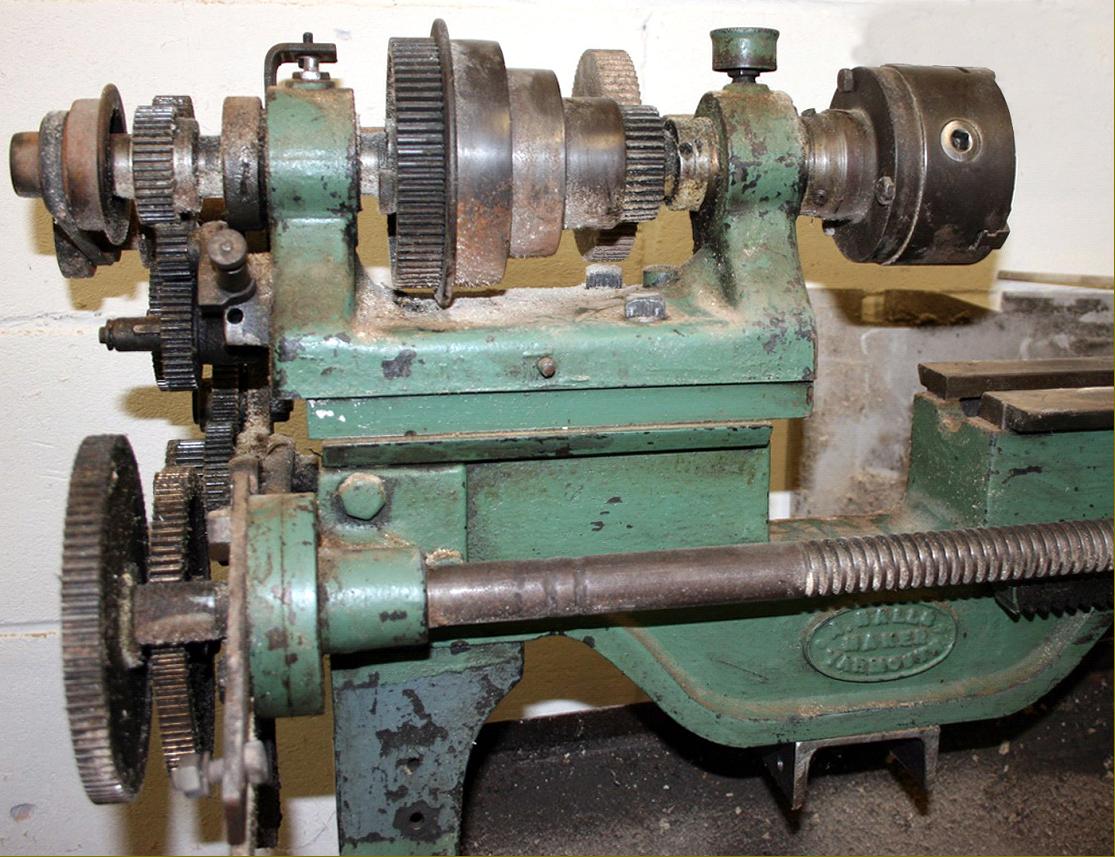
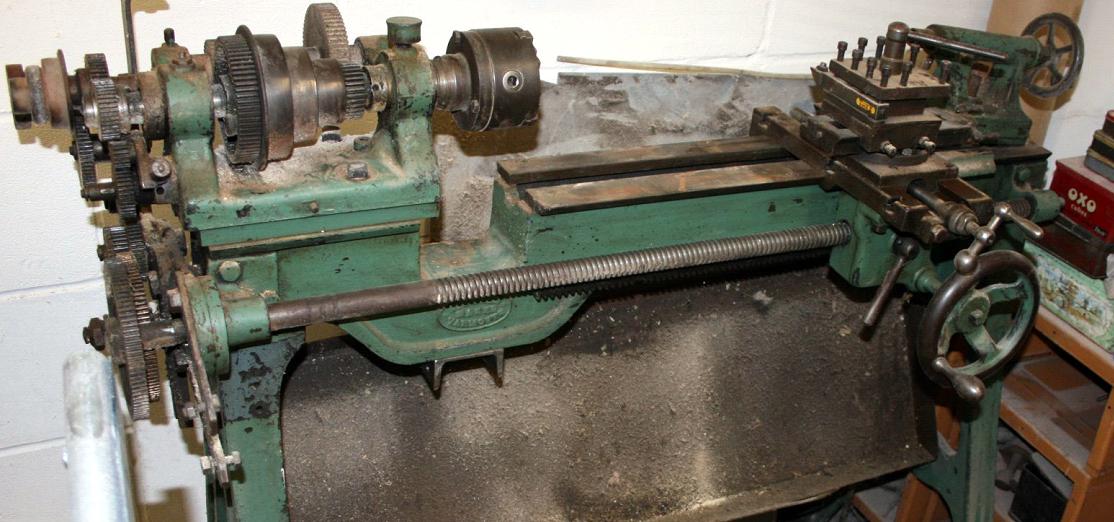
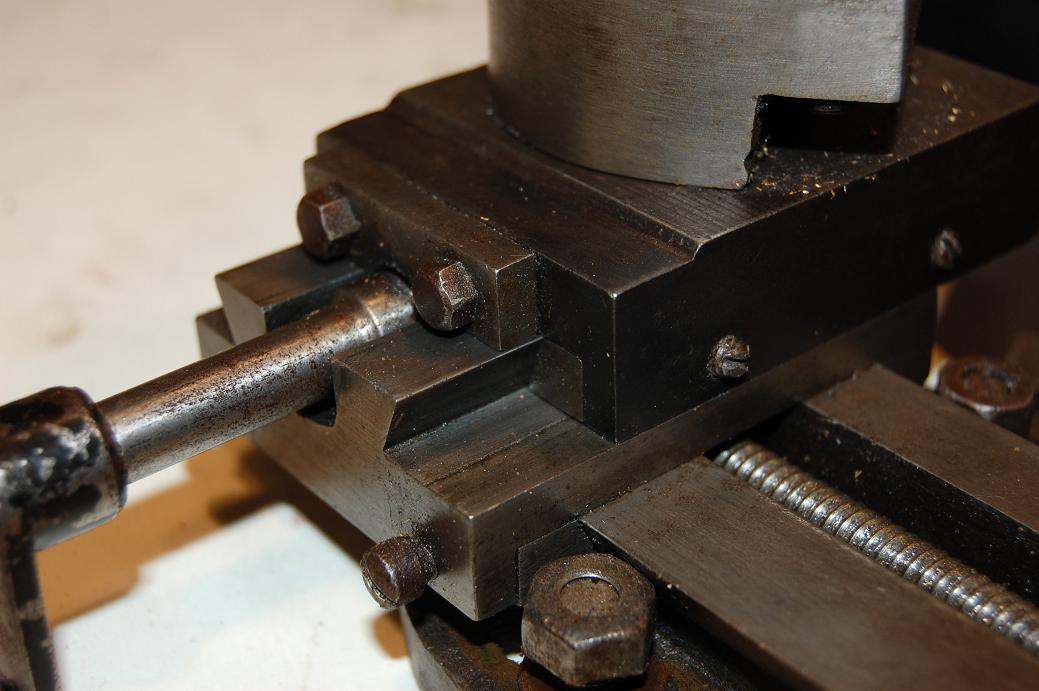
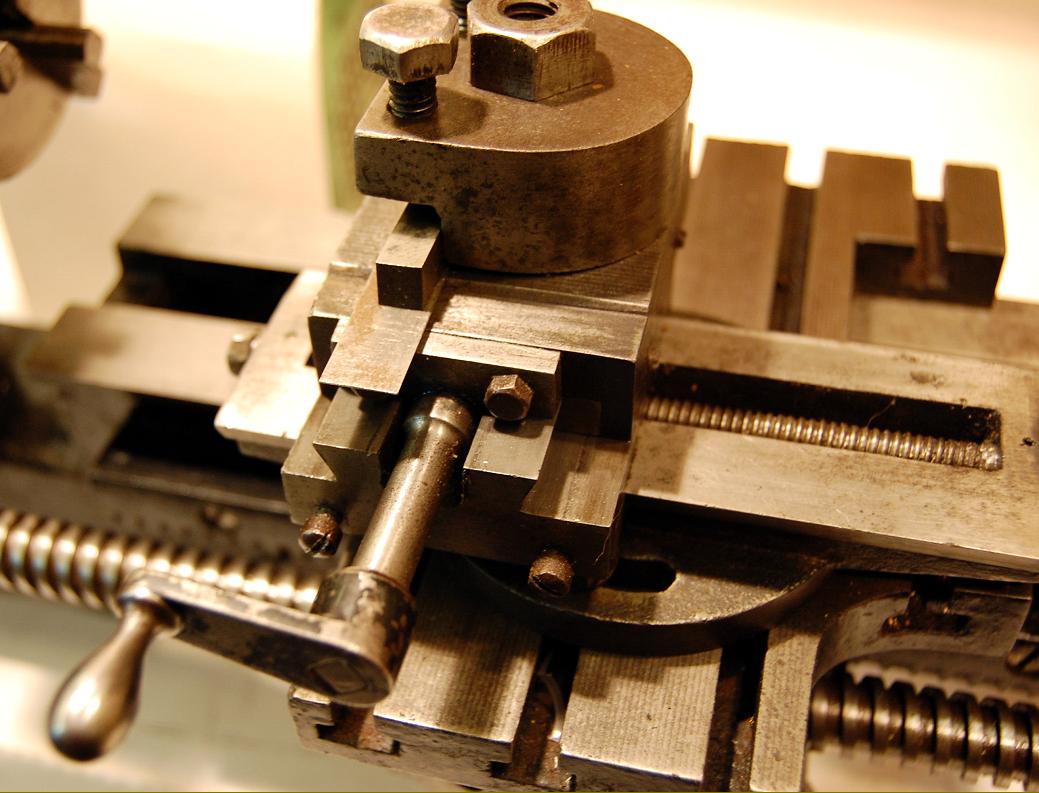
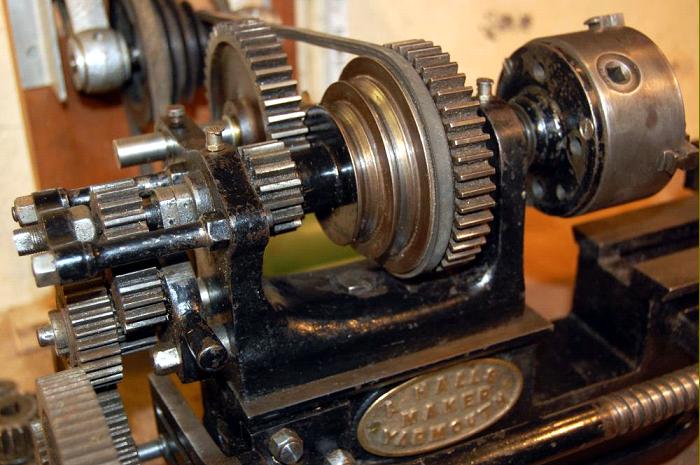
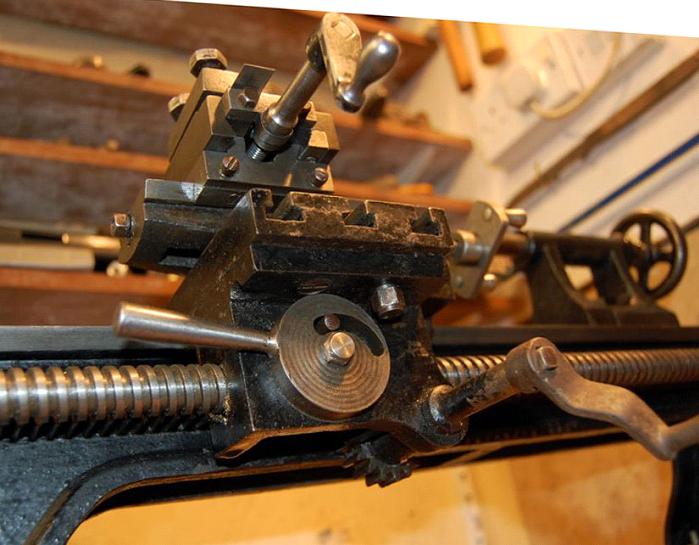
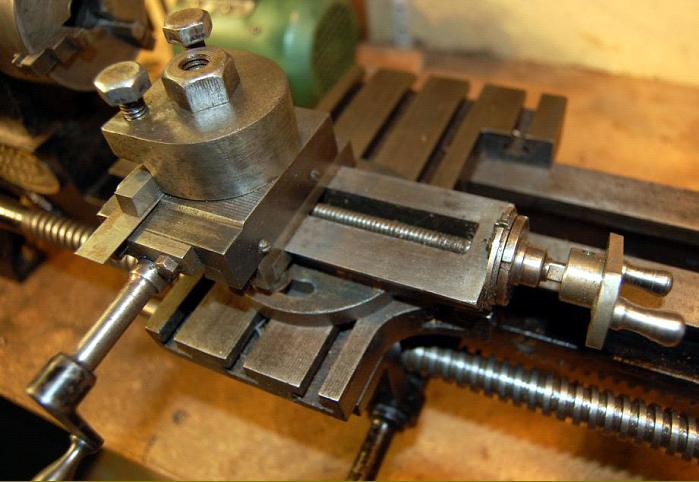
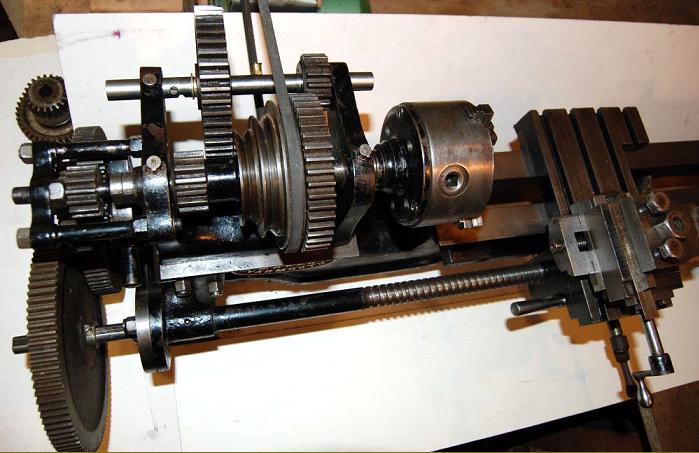
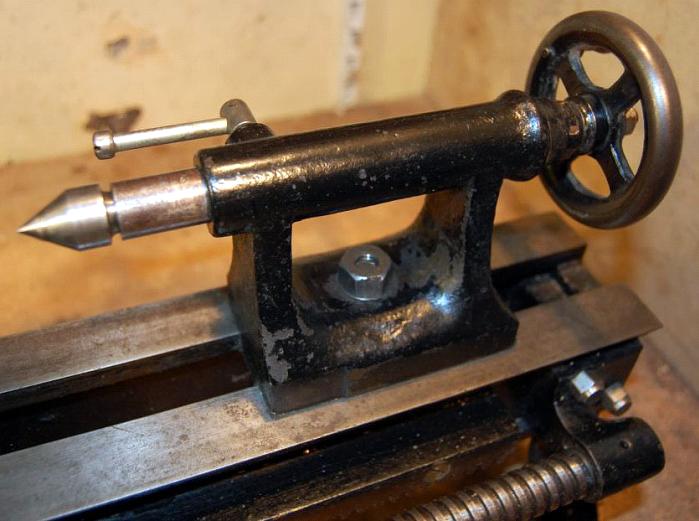
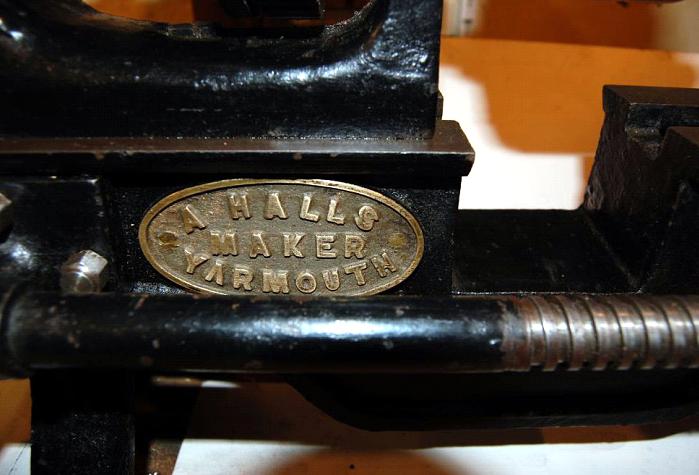
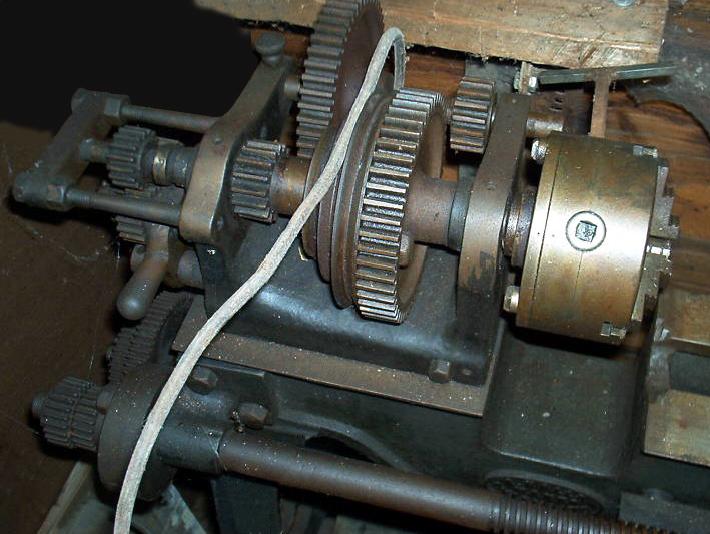
Almost certainly dating from the period circa 1870 to 1895, the very rare (just nine are known to have survived) the A. Halls backgeared and screwcutting lathe was manufactured in a most unlikely location, the seaside town of Yarmouth, England. Well-made and with a design typical of its period - and the sort of machine turned out by many of the more ambitious small engineering concerns at the time - the early models had a lightly constructed headstock with the end thrust of the (solid) spindle taken against a cross-bar mounted on posts outboard of the left-hand bearing. The spindle may well have been hardened and ran in a cone socket, directly in the cast-iron of the headstock - the free graphite in which ensured a long, trouble-free life. A 3-step pulley was provided, for drive by a round leather "gut" rope originally from a foot-treadle and flywheel assembly - a system that would have provided sufficient motive force for most small jobs and, in backgear, the capacity for some heavier work. |
|
|
|
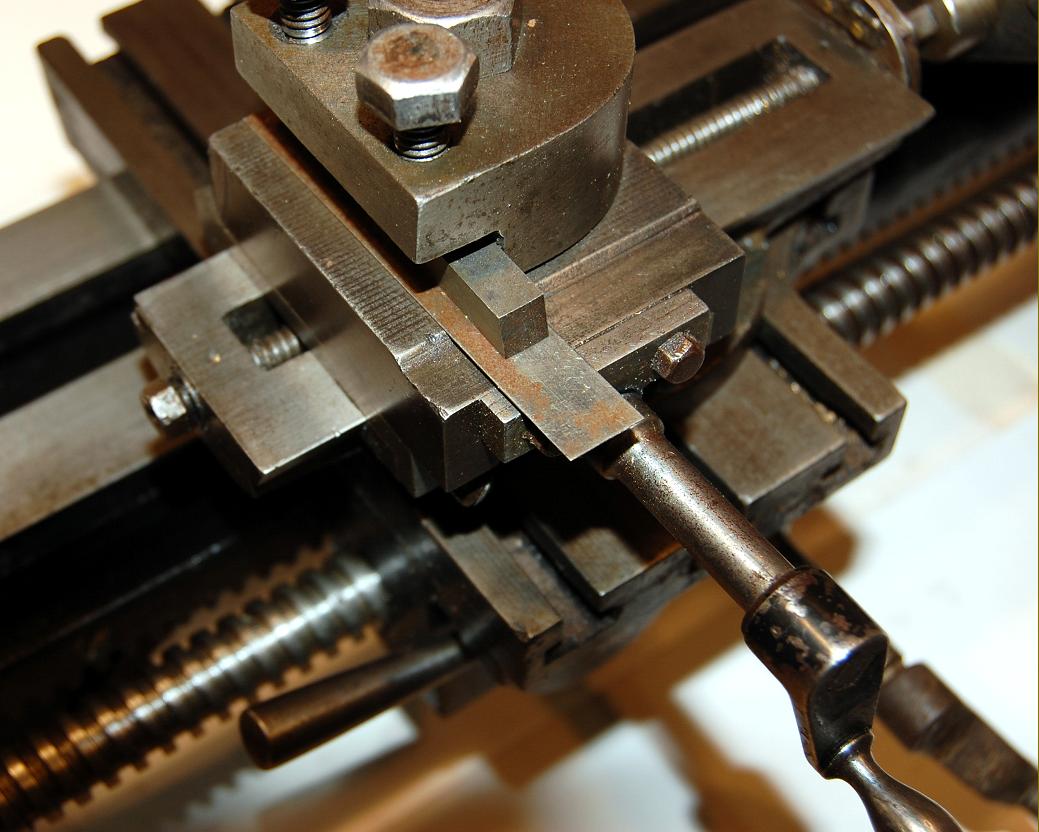
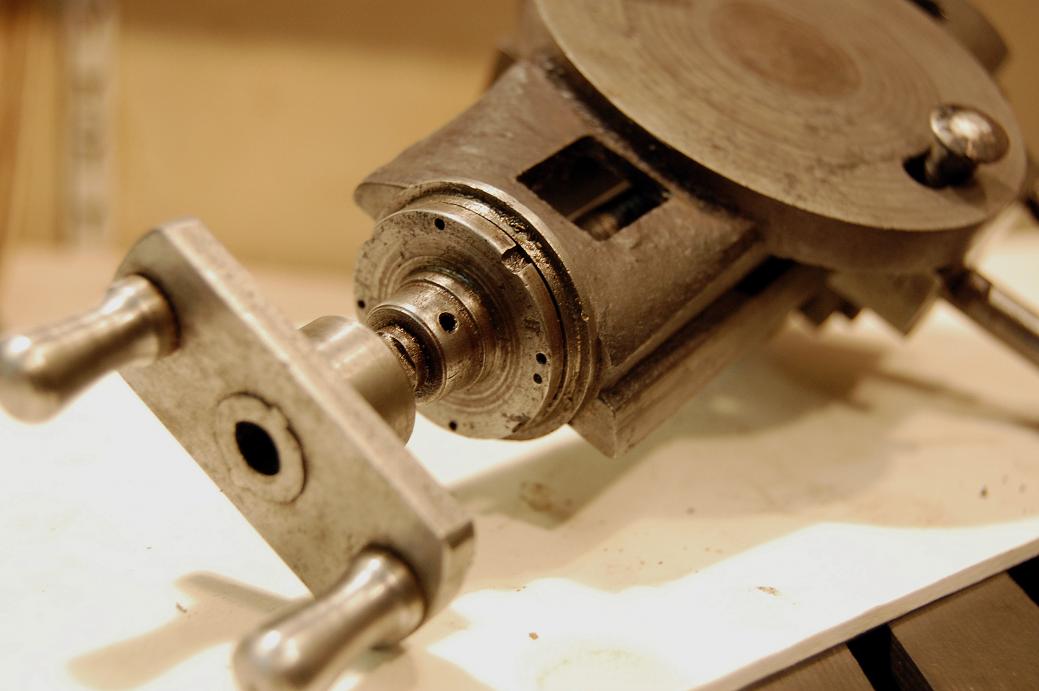
A later Halls lathe |
|
Home Machine Tool Archive Machine-tools Sale & Wanted |
||