|
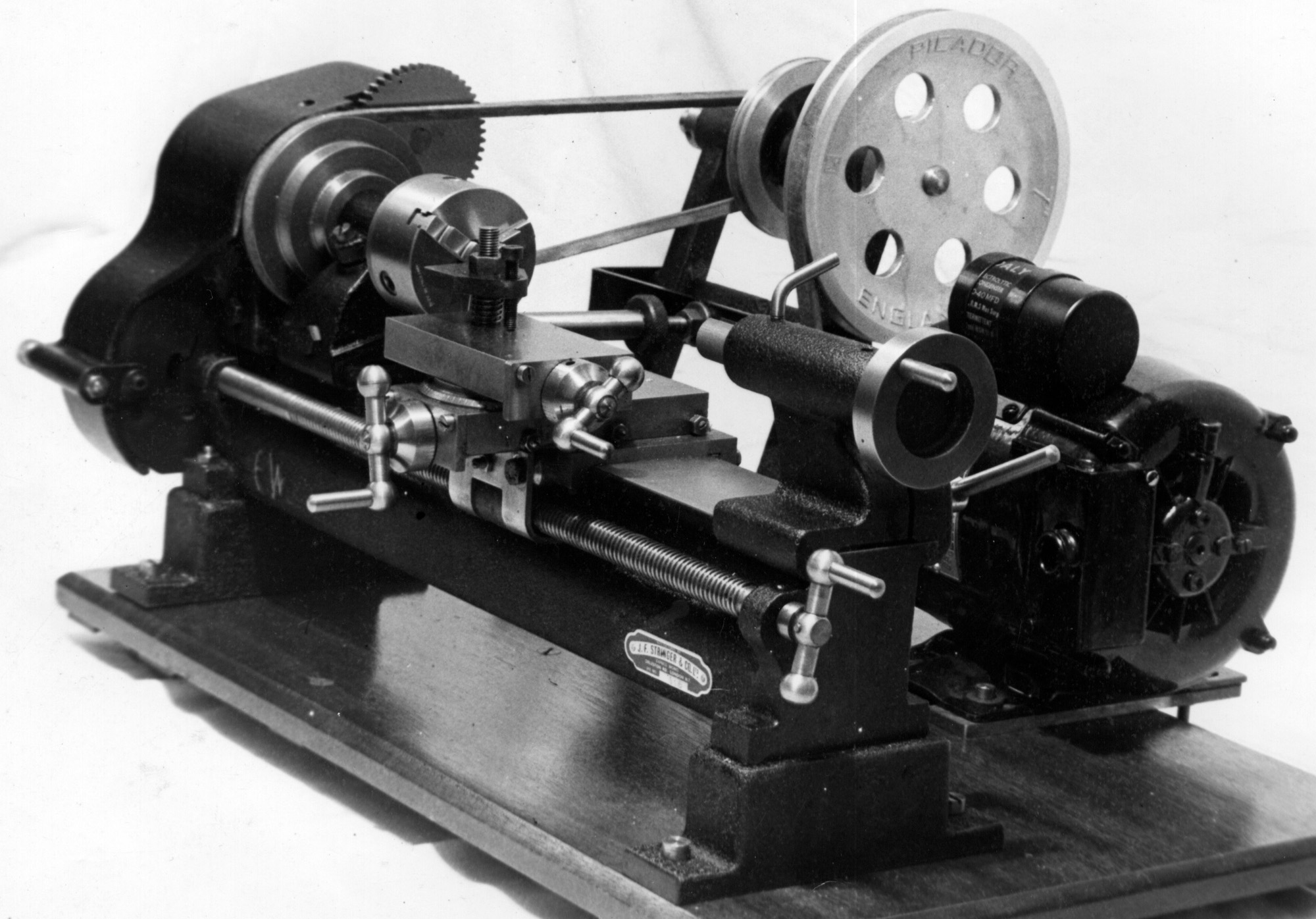
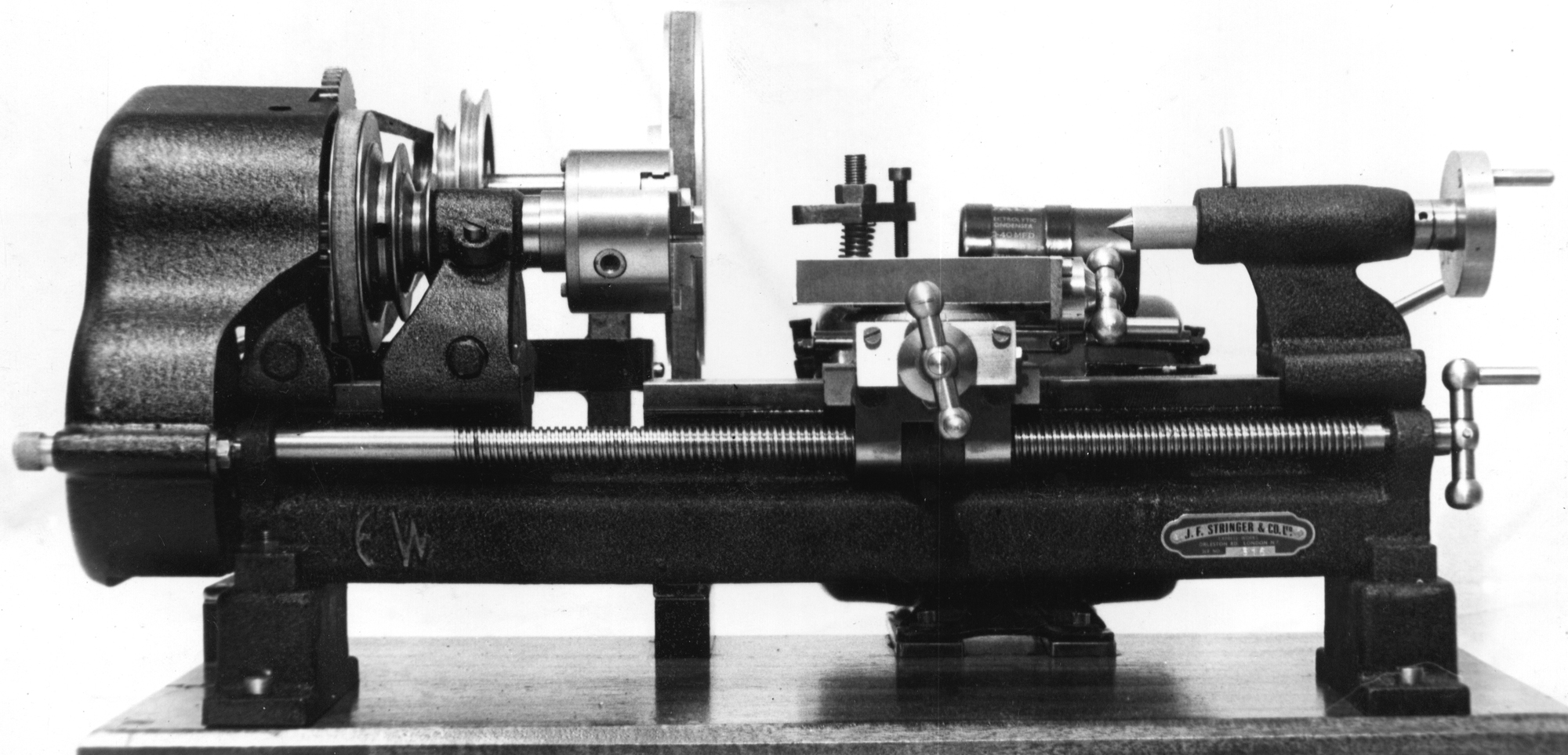
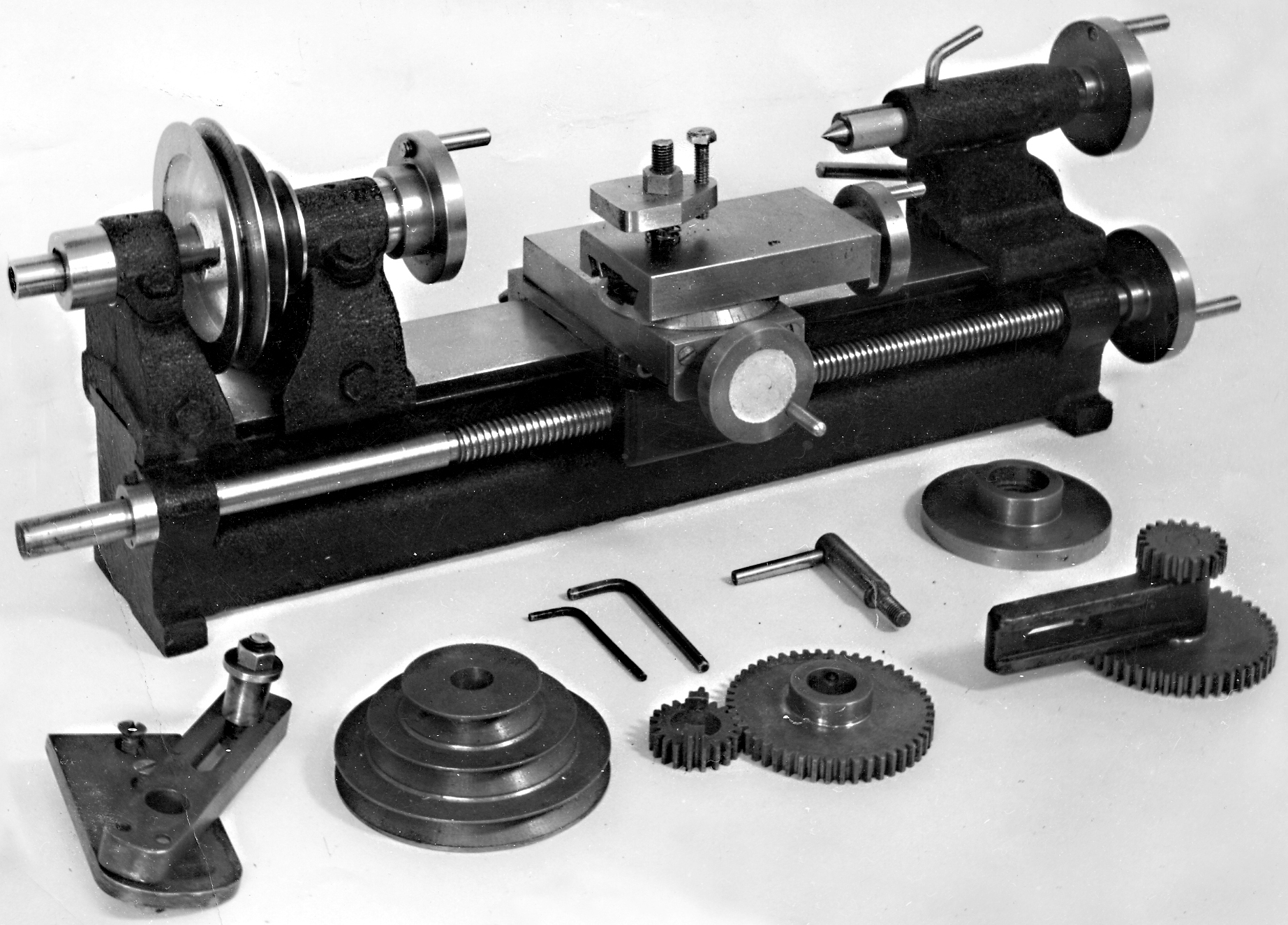
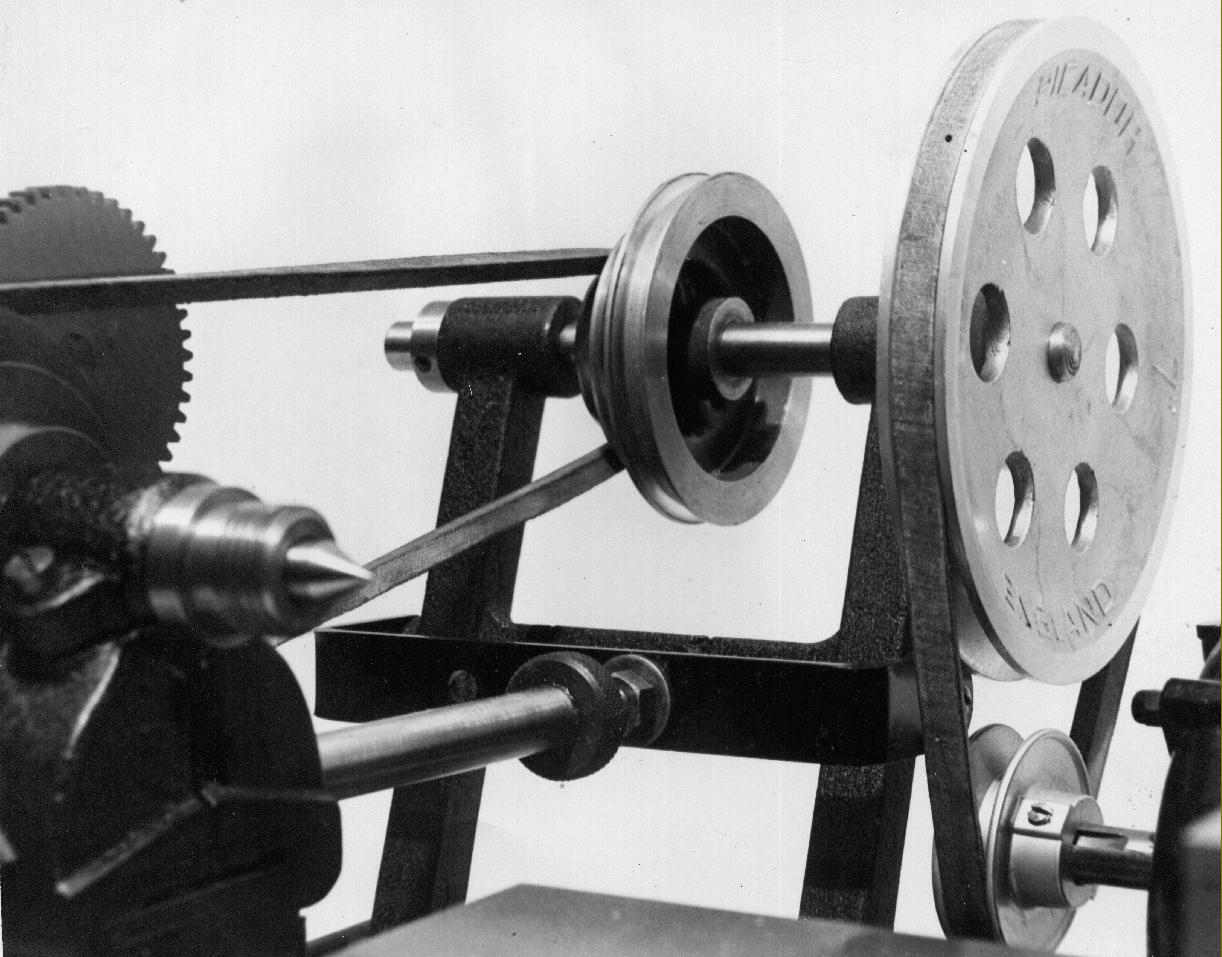
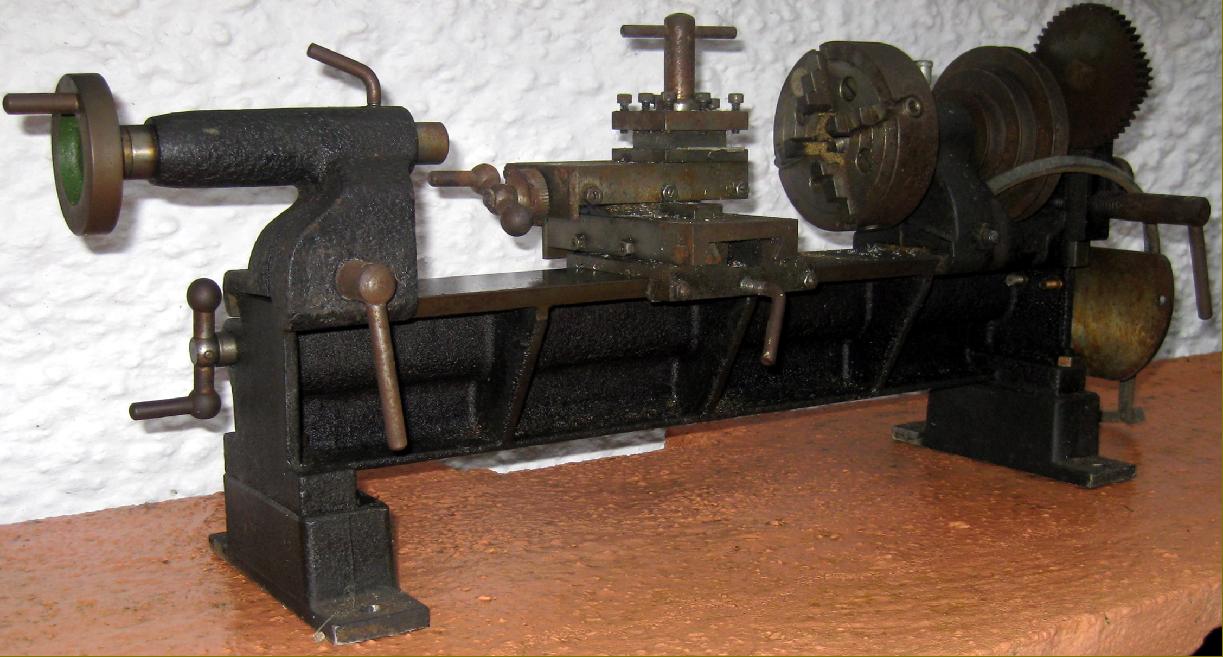
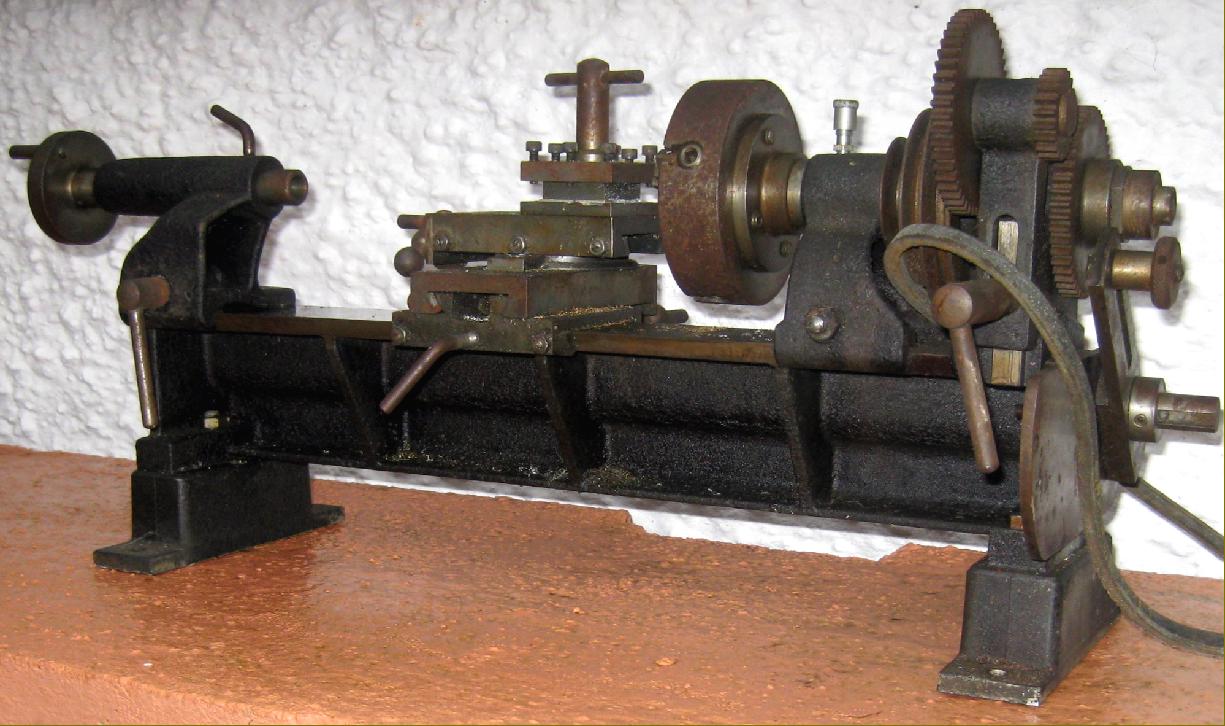
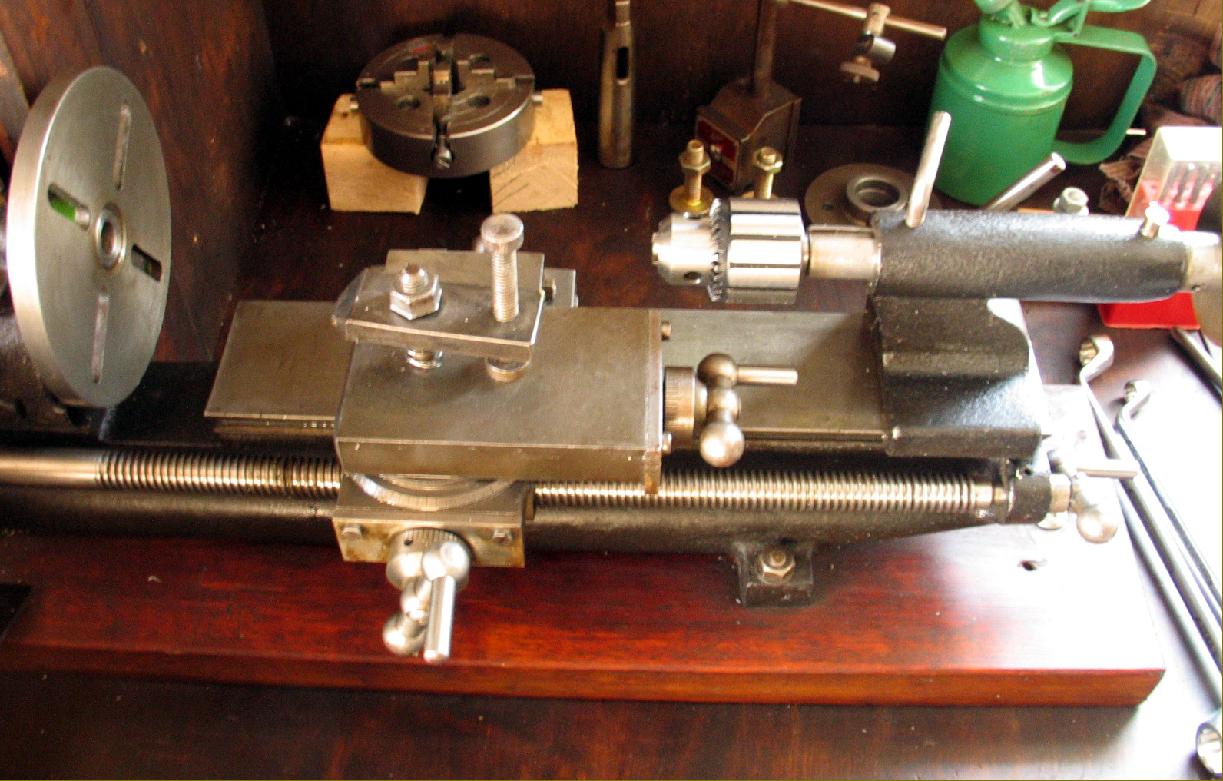
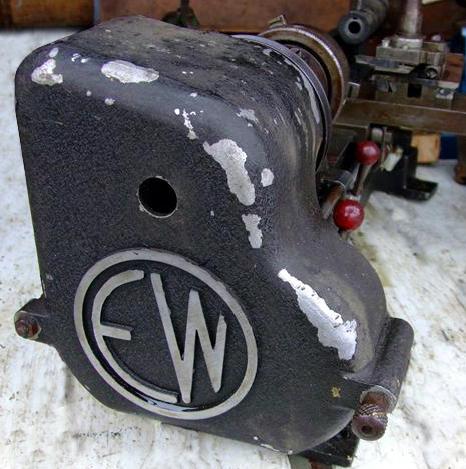
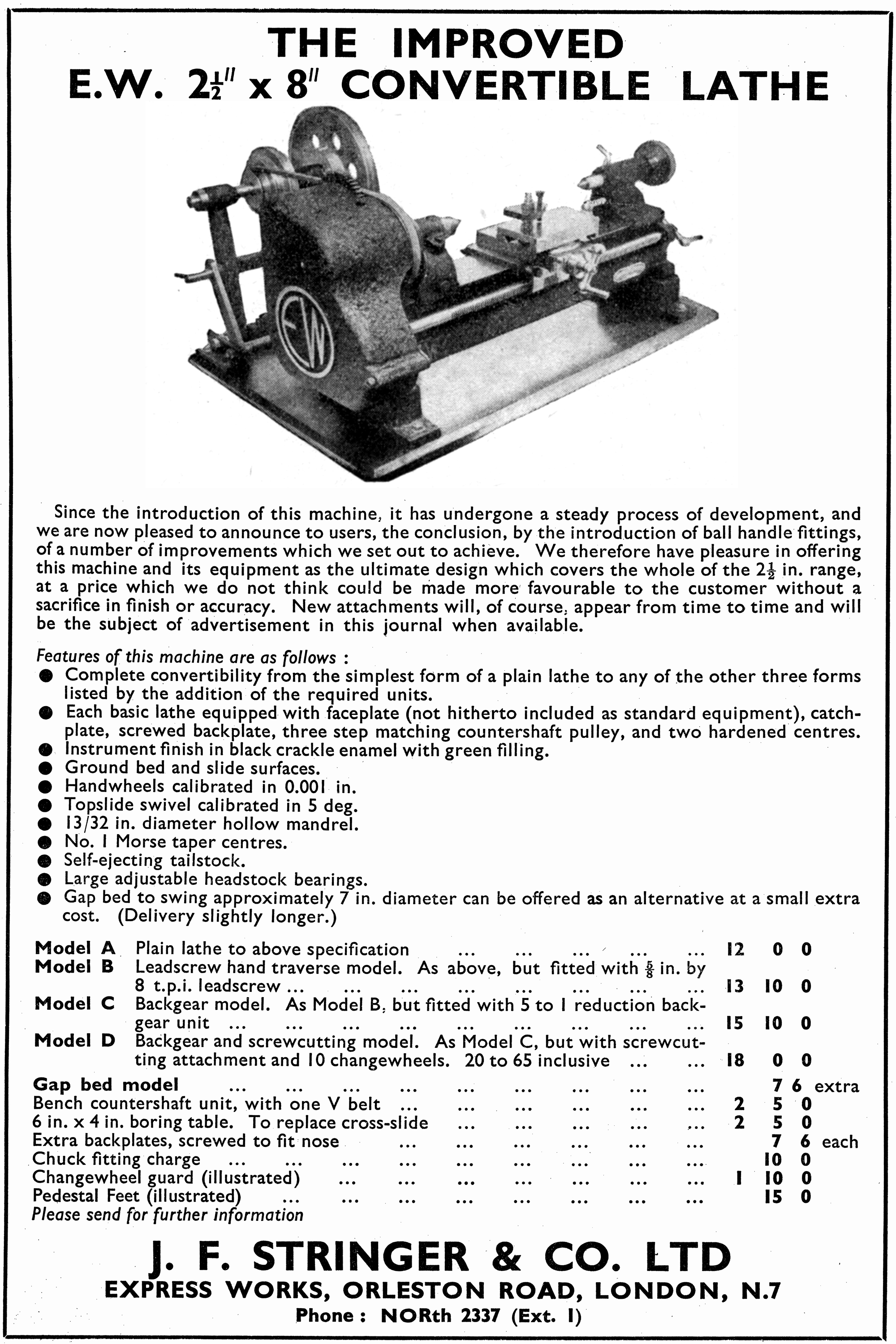
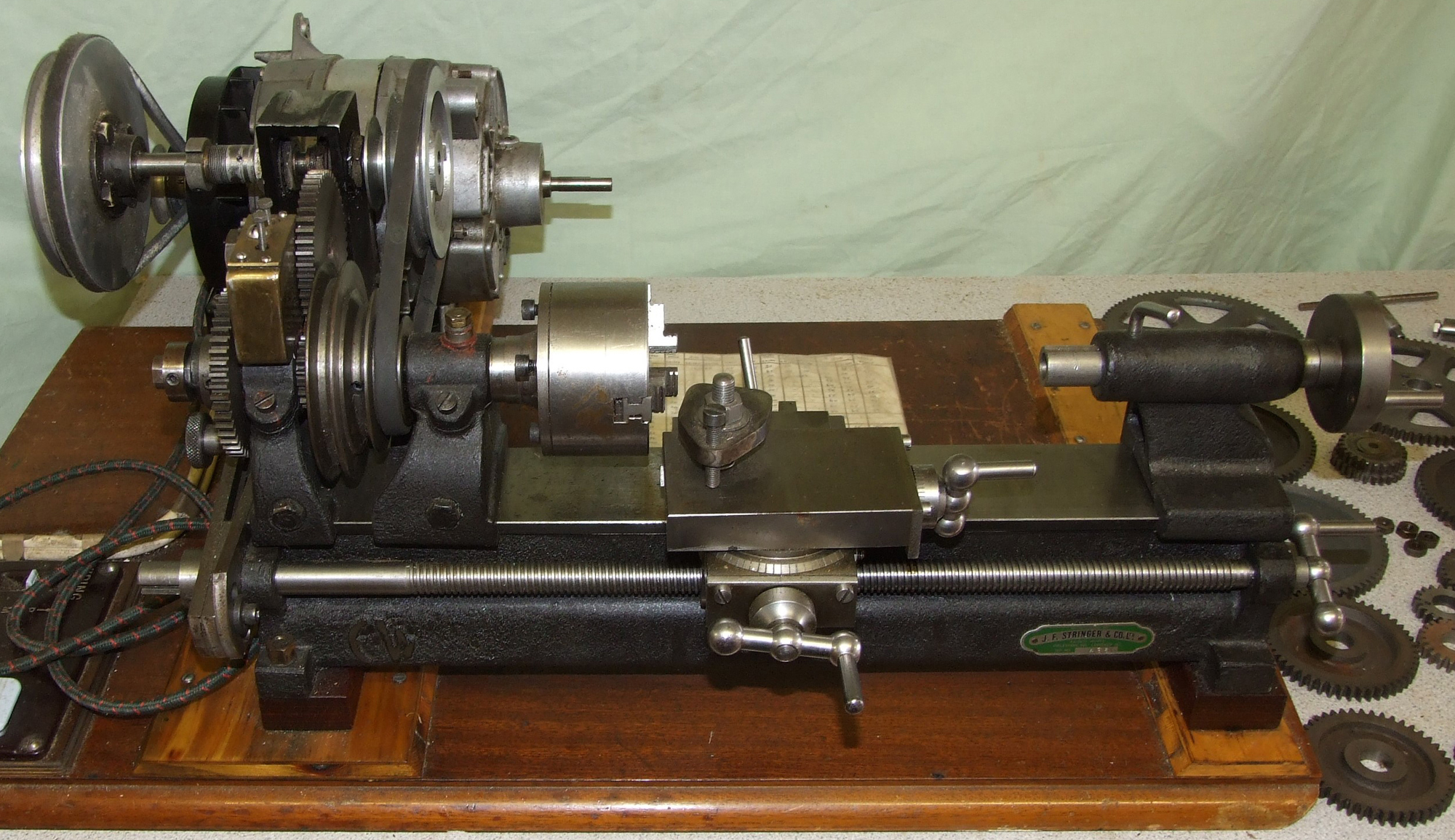
Although a rather fine, cast-aluminium changewheel guard was shown in the maker's publicity pictures, this feature was an extra and examples of the EW seen by the writer have been without it. Because a "full nut" was fitted to the apron, the operator was involved in much twirling of the leadscrew handwheel to move the carriage along the bed. Both top and cross slide were fitted with micrometer dials (which could not be zeroed) calibrated at 0.001" intervals and with the top slide marked to show rotation every 5 degrees.
A limited number of accessories was available including a miniature vertical milling slide, a T-slotted 6" x 4" boring table, bed-raiser feet, a changewheel guard and a neat countershaft unit with the belt tension set by a simple push-bar with a knurled-edge, round nut running on a threaded rod.
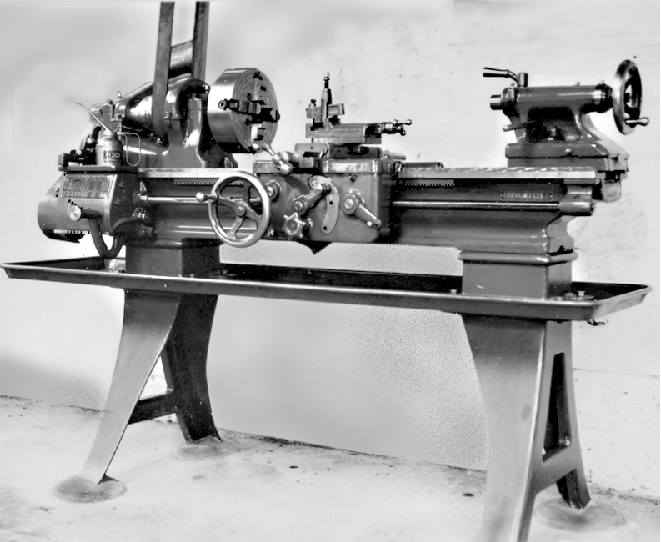
Despite its humble origins and modest price, the lathe was finished to a very high standard in a beautiful crackle-black finish (as used at the time on many high-quality instruments and their control gear) with the bed and all the compound slide-rest surfaces finish ground (these jobs, initially, being put out). Although at first a gap was not provided or offered, from 1951 onwards, for an extra seven shillings and sixpence, this option became available and allowed 7-inches in diameter to be turned on the faceplate. However, it is unlikely that many were thus equipped, the makers pointing out that, for work under five inches long, a straight bed was preferable.
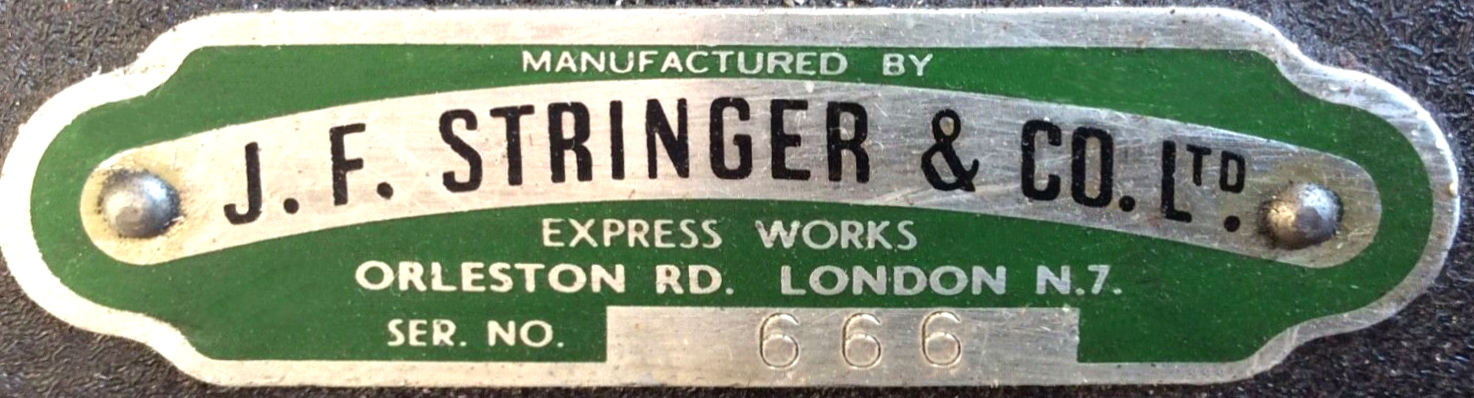
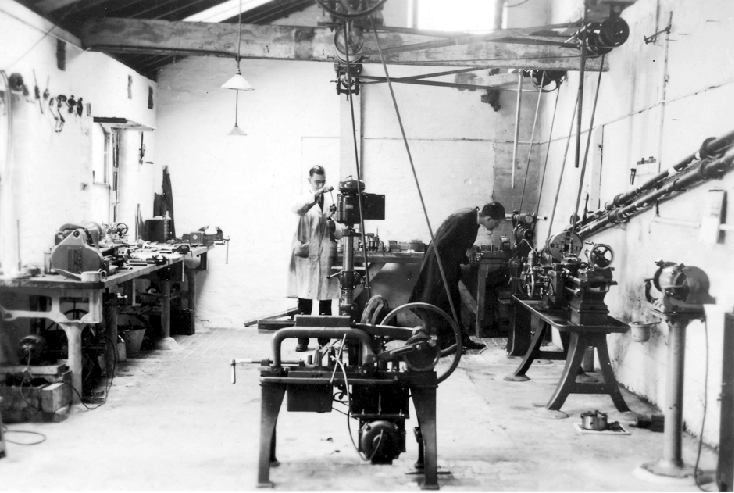
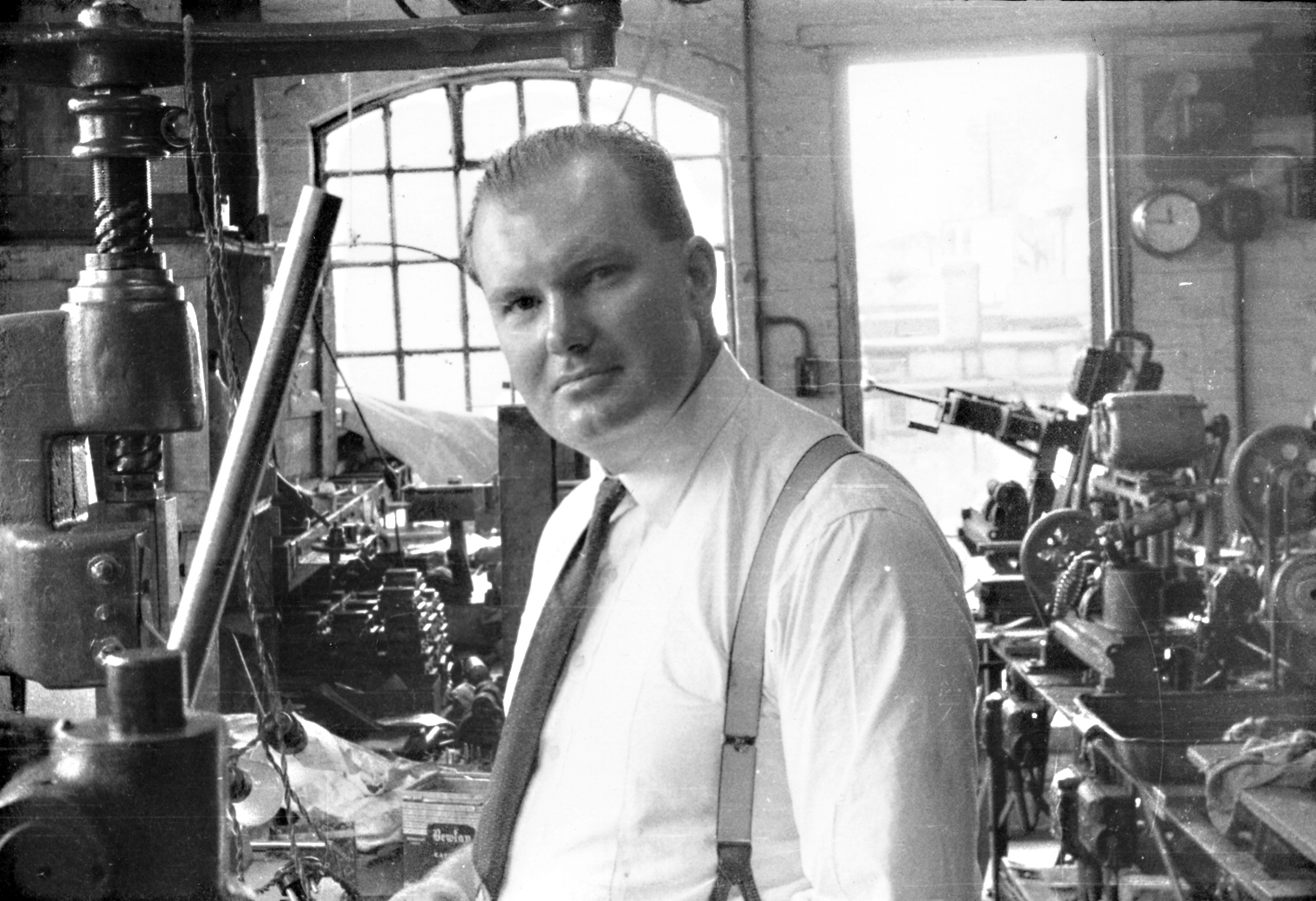
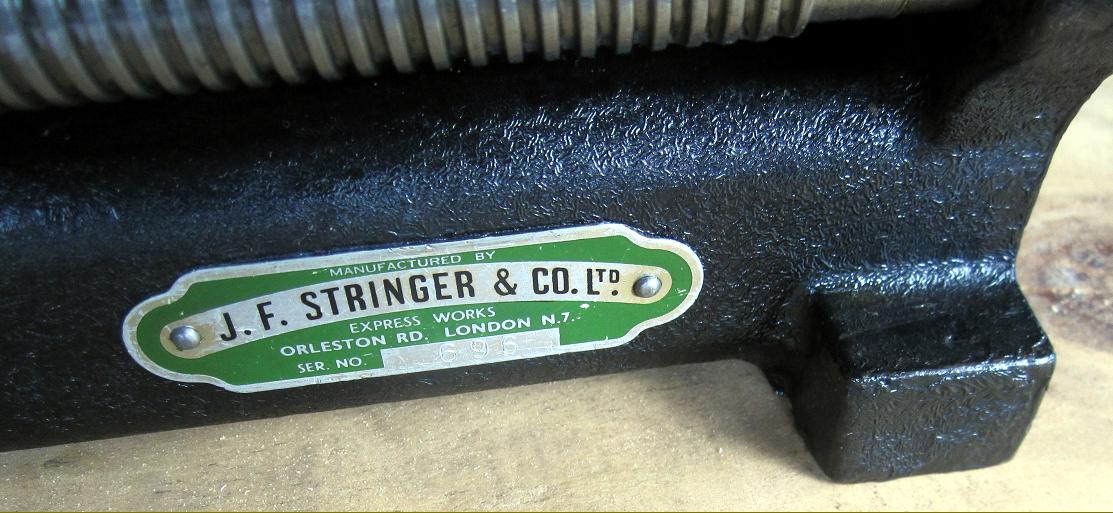
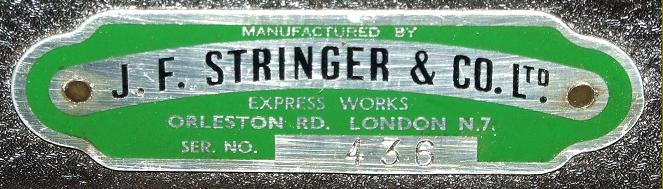
EW's background is interesting - the firm began by renting space from an established engineering firm based in the "Express Works" (from which the lathe's name was derived) in Orleston Road, Islington, London, N7. Although the machine was to the design of Mr. Stringer, the company was under the control of a senior partner, Mr. Murphy, a businessman with an interest in the fiscal, but not the technical. When the inevitable falling out took place and they finally parted in 1954, Mr. Stringer recovered what he could of his tools from Orleston Road and, utilizing his wife's life savings, paid the deposit on a Colchester Student lathe, a Denbigh 42-inch horizontal milling machine and an Abwood vertical-spindle surface grinder. A fresh start was made in upstairs premises at Pavement Square, Lower Addiscombe Road. However, the new business involved gruellingly hard work for several years, with considerable sacrifice and little return for either the effort or extra capital that had to be invested. By the early 1960s, and realising that the business of manufacturing small lathes presented little opportunity for profit, the company redirected its efforts as the "EW Tool Company" into an entirely different field and began producing piercing and blanking (punch) tools for the up-and-coming printed-circuit board industry. The very last lathes made may well have been completed at EW's subsequent address in Fernhurst Road, Addiscombe. After production ceased, tooling for the EW was stored for some years at the home of the designer and then purchased, along with the drawings and manufacturing rights, by the well-known model engineering supplier "Bonds O' Euston Road", who had previously been involved in the lathe's distribution. The material was delivered to a private address, thought to be in or around Midhurst, Sussex c1966. However, Bonds never resumed production themselves but, in turn, sold the facility (in 1970) to "Janap", a firm of sub-contract precision engineers with a sales office in Basingstoke, Hampshire. An initial batch of 50 lathes was laid down, to be made at Janap's well-equipped converted railway workshop in Tregaron, Wales. Unfortunately, as with all sub-contractors, Janap was not at the top of the corporate feeding chain and when a major customer defaulted, the company was forced into liquidation. Although a number of lathes had been sold, the short-lived EW revival was over and, before it could be salvaged, the tooling was scrapped.
In contrast to the fortunes of Janap, the EW Tool Company, by now operating from larger and better equipped premises in Portland Road, South Norwood, had become very successful, completing substantial contracts for, amongst others, ITT Televisions. Although the company ceased full-time production in 1981, Mr. Stringer continued small-scale operations from his home until his death in 1985. He always remained reticent about the EW project, possibly seeing it retrospectively as a commercial folly, and it seems unlikely that he was ever aware of the ill-fated revival attempt by Janap.Continued below:
|
|