 |
|
|
|
|
|
|
|
|
|
|
|
|
|
|
|
|
|
|
|
|
|
|
|
|
|
|
|
|
|
|
|
|
|
|
|
|
|
|
|
|
|
|
|
|
|
|
|
|
|
|
|
|
|
|
|
|
|
|
|
|
|
|
|
|
|
|
|
|
|
|
|
|
|
|
|
|
|
|
|
|
|
|
|
|
|
|
|
|
|
|
|
|
|
|
|
|
|
|
|
|
|
|
|
|
|
|
|
|
|
|
|
|
|
|
|
|
|
|
|
|
|
|
|
|
|
|
|
|
|
|
|
|
|
|
|
|
|
E-MAIL Tony@lathes.co.uk
Home Machine Tool Archive Machine-tools for Sale & Wanted
Machine Tool Manuals Machine Tool Catalogues Belts Books Accessories
Oscar Ehrlich Lathes (Union-Werk) - Germany
- branded variously as IXL, AEG, Olympia, Schuchardt & Schütte, etc -
Ehrilch Lathe Rebuild
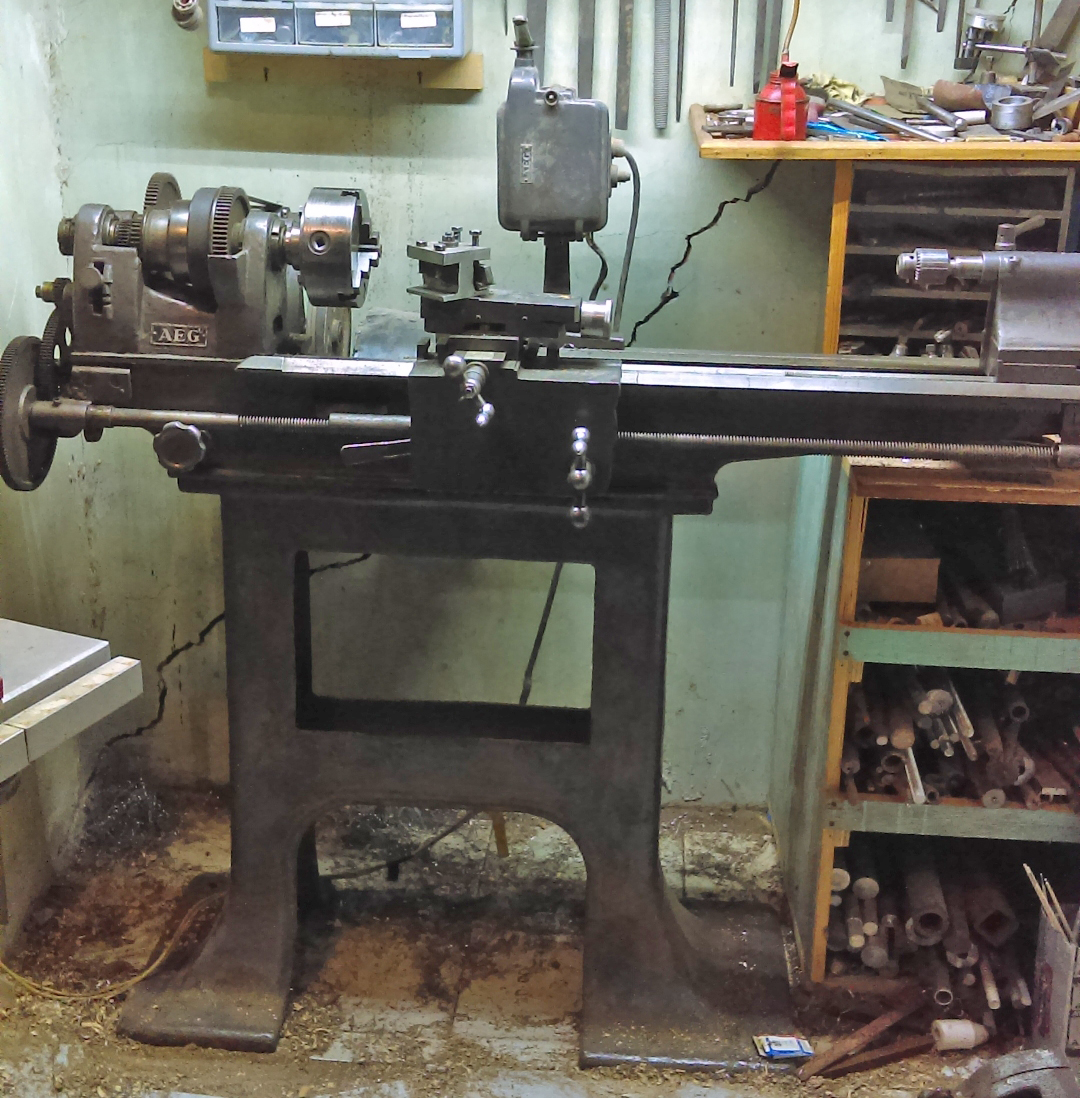
Oscar Ehrlich was a well known, long-established and prolific manufacturer of lathes with premises in Chemnitz, Germany. Although the Company exported widely, it appears to have been common for them to leave off any identifying marks from their machines and instead market them though distributors, one such being Tyzack in Great Britain who sold them using both their own and the IXL brand names Other British distributors also handled the make, with larger tool dealers branding them with such names as "Olympia" - obviously to disguise their German origins. Another branding that has been found is AEG - for machines sold in Mexico.
Fortunately Ehrlich were a conservative company and the design of their lathes, and many small details of construction - for example, the distinctive top slide - are easily recognisable on machines constructed from the late 1800s until the 1940s.
Of utterly conventional, contemporary design, most of the lathes shown below were built during the 1920s and 1930s and made in two centre heights of 130 and 155 mm - and with 6 between-centres' capacities offered of 500, 750, 1000, 1250, 1500 and 2000 mm. Available with or without a feed shaft to provide power sliding and surfacing speeds independent of the leadscrew, the lathes could also be supplied fitted to either plain cast-iron legs or a more substantial plinth with storage for a large set of screwcutting changewheels. Early models, designed in the first decade of the 20th century, were also offered on treadle stands for locations where there was no electricity supply or convenient stationary engine to drive them.
Ehrlich lathes were often badged as though made by Berlin-based Schuchardt & Schütte, one of the largest German-based tool and machinery dealers of the time and, consequently, a company with sufficient buying power to dictate terms to manufacturers. During the 1930s Ehrlich became "Union-Werk" (still based at Mittweida, near Chemnitz)- under which brand the company prospered further with the name used in post-war years by the communist East German Government to market a wide range of machine tools (see picture at the bottom of the page). By the late 1920s, the top-of-the-range models were not only very well constructed but also enjoyed a comprehensive specification with a typical example having a full screwcutting and feeds gearbox with tumble-reverse drive, a separate power-feed shaft to run the sliding and surfacing feeds, a large T-slotted saddle that doubled as a boring table and a wide V and flat-way bed - the front V being set with a wide, shallow angle to better absorb wear and a short, steeper inside face to take thrust.
In December of 2018 an interesting lathe, almost certainly by Ehrlich, turned up in Norway, having been left behind in a German army mobile workshop truck at the end of WW2.
If any reader can provide further details of Ehrlich lathes branded in other ways, or of their other machine tools and photographs, the writer would be delighted to hear from you..
|
|
|
|
|
|
|
|
|
 |
|
|
|
|
|
|
|
|
|
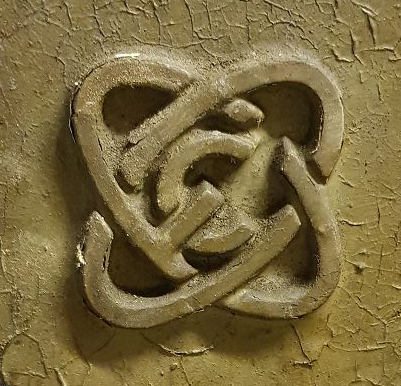
The rather convoluted Ehrlich logo - the letter O leaning to the right, the letter E as an ellipse leaning to the left and a small letter C in the centre standing for "Company"
|
|
|
|
|
|
|
|
|
|
|
|
|
|
|
|
 |
|
|
|
|
|
|
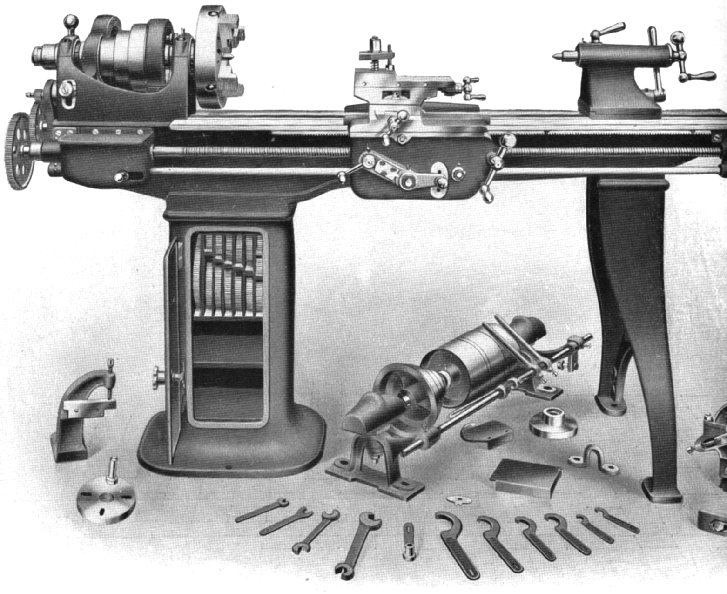
Ehrlich with power sliding and surfacing from a separate powershaft. This lathe is almost identical to an examined IXL, with the same power feed-shaft, an identical pattern of controls with interlock to prevent engaging lead-screw and feed-shaft simultaneously - and same overall appearance. However, the IXL was fitted with traverse T-slots in the front saddle wings with another parallel to the ways in each of the short wings to the rear.
|
|
|
|
|
|
|
|
|
|
|
|
|
|
 |
|
 |
|
|
|
|
|
|
|
|
|
|
|
|
|
|
|
|
|
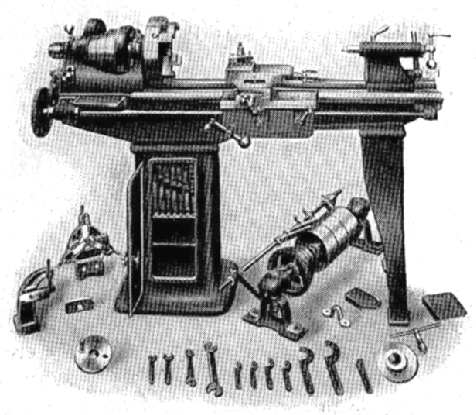
The ordinary Ehrlich lathe but mounted on the maker's cast-iron plinth with changewheel storage.
|
|
|
|
|
|
|
|
 |
|
|
|
|
|
|
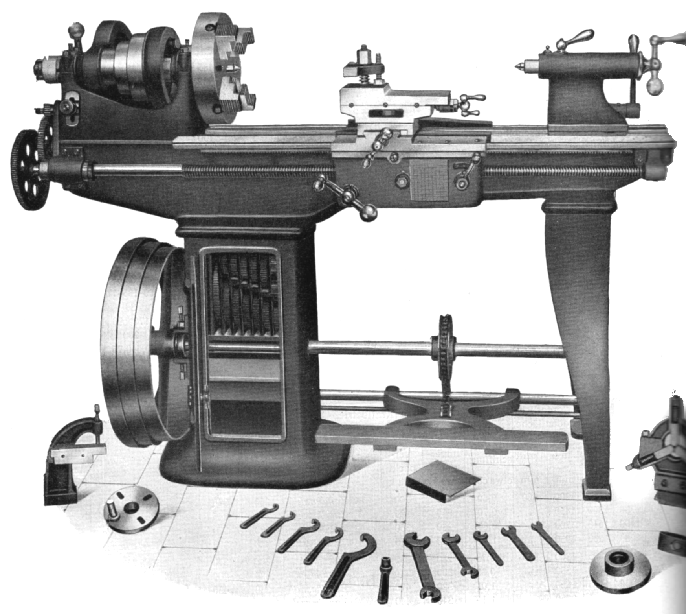
Neatly-arranged treadle drive with over-hung flywheel-cum-pulley - a typical and long-lasting Ehrlich design. Note the arrangement and shape of the treadle foot plate and the sweep-up of the underside of the bed - both east-to-spot Ehrlich recognition points.
|
|
|
|
|
|
|
|
|
|
|
|
|
|
 |
|
|
|
|
|
|
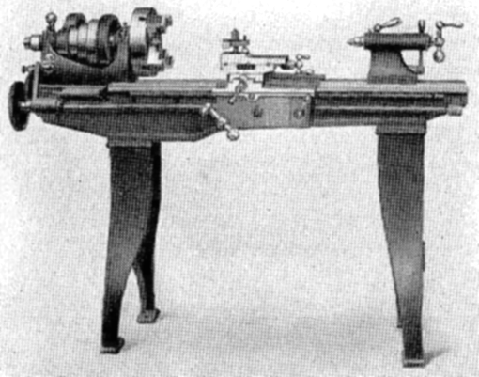
Simple backgeared and screwcutting Ehrlich lathe on the basic cast-iron legs and without power cross feed
|
|
|
|
|
|
|
|
 |
|
|
|
|
|
|
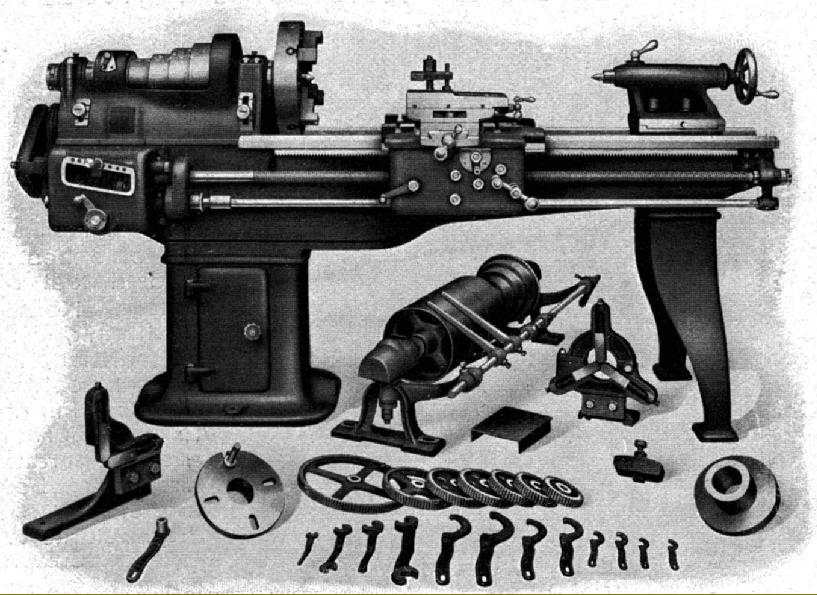
A larger and rather more robust Ehrlich (circa 1928) with screwcutting gearbox and a separate power-shaft to drive the sliding and surfacing feeds
|
|
|
|
|
|
|
|
 |
|
|
|
|
|
|
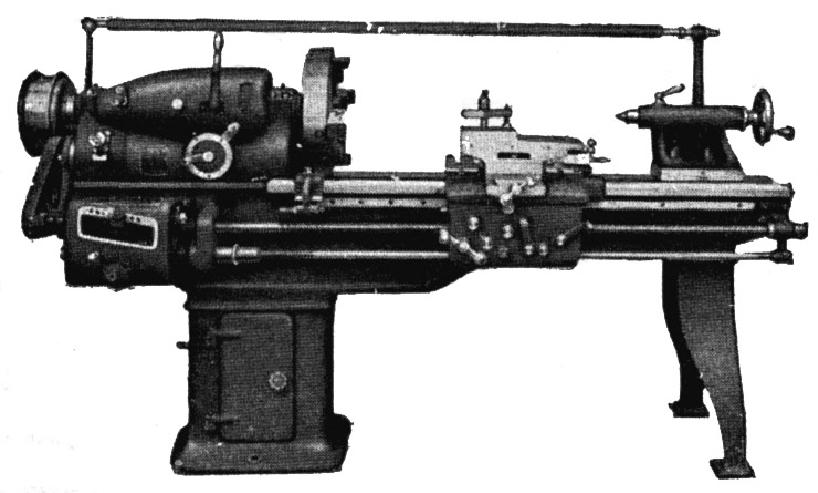
The same 1928 Ehrlich but with a geared headstock and spindle clutch.
|
|
|
|
|
|
|
|
 |
|
|
|
|
|
|
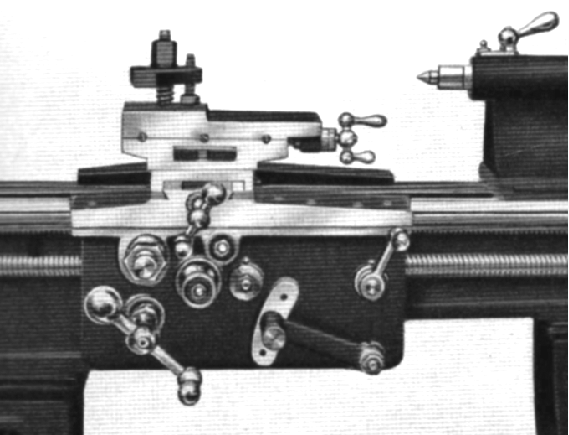
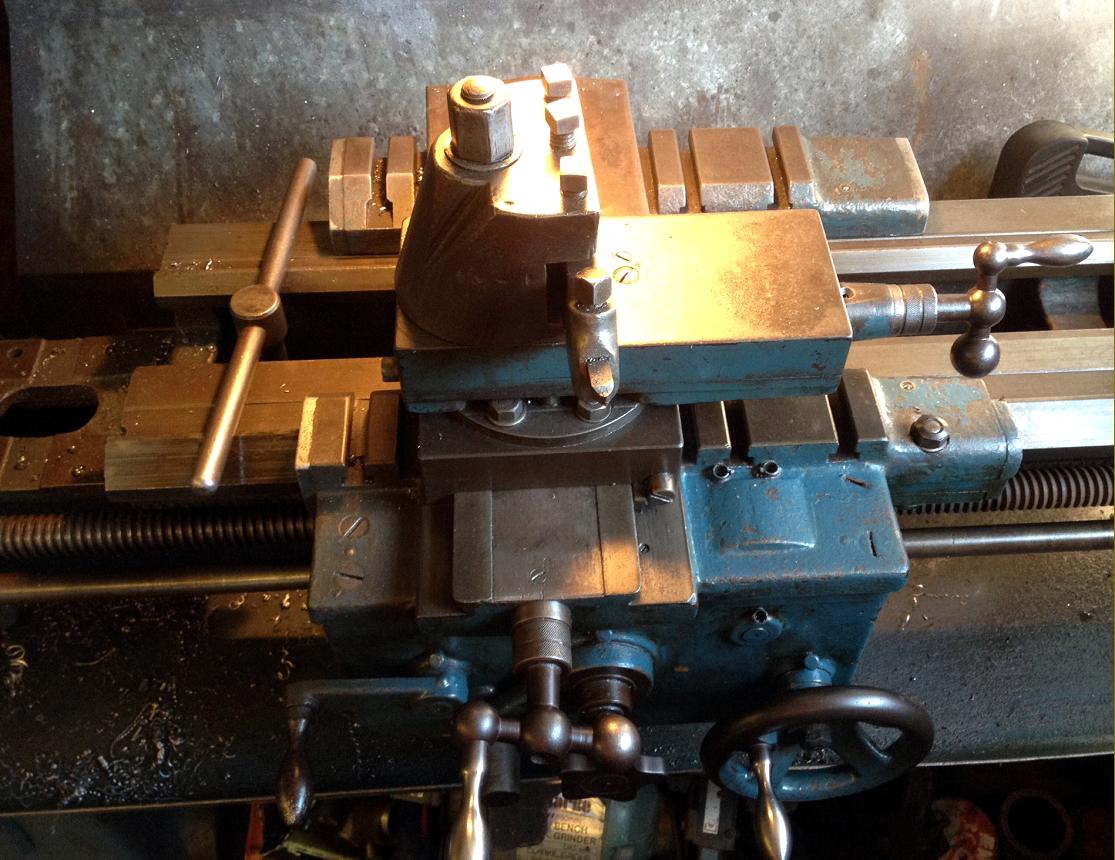
At least two designs of apron were used on contemporary models - compare this arrangement to that used on the type at the top of the page
|
|
|
|
|
|
|
|
|
|
|
|
|
|
 |
|
|
|
|
|
|
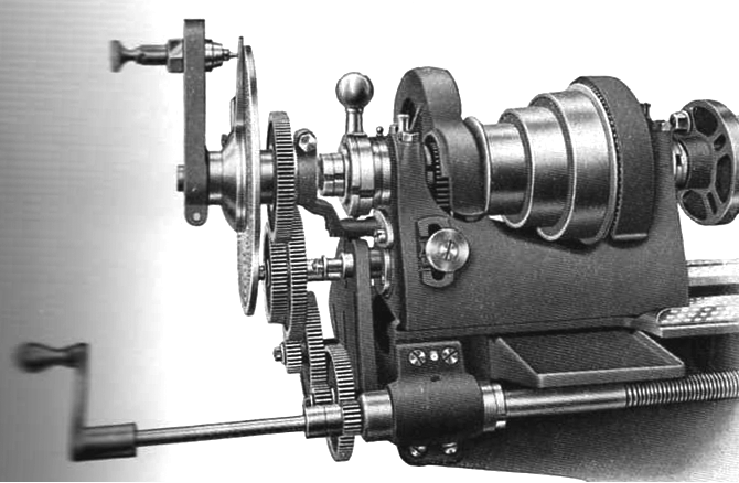
Dividing attachment to link headstock rotation to carriage advance
|
|
|
|
|
|
|
|
 |
|
|
|
|
|
|
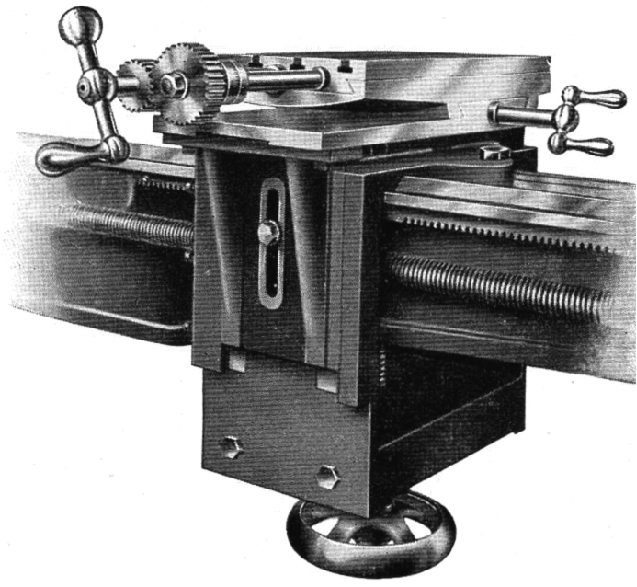
Another unusually complete and useful Ehrlich accessory - an auxiliary carriage arranged to carry an elevating boring table with a compound screw feed.
|
|
|
|
|
|
|
|
 |
|
|
|
|
|
|
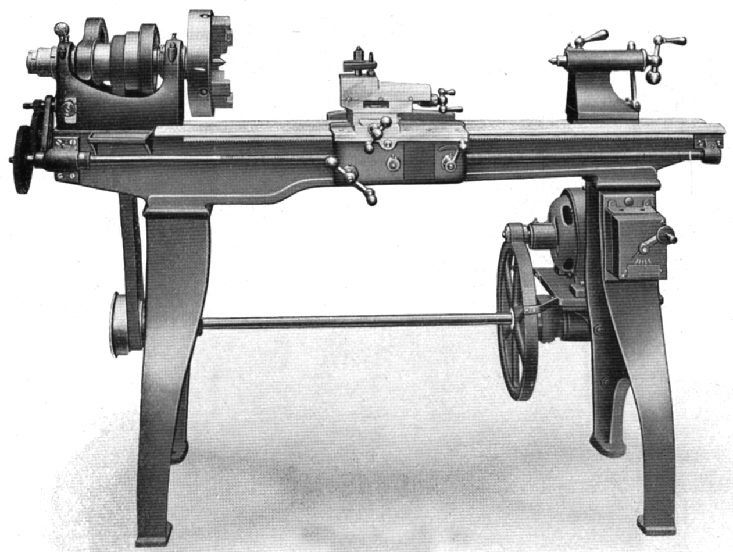
A rather complex factory conversion of treadle to power drive with the motor pulley - probably bound in leather or a composite leather and fabric disc - pressing directly against the rim of a flat pulley. In this example the drive then passed by flat belt to a large-diameter pulley at the tailstock end of the bed and hence by the central drive shaft to the flywheel
|
|
|
|
|
|
|
|
|
|
|
|
|
|
 |
|
|
|
|
|
|
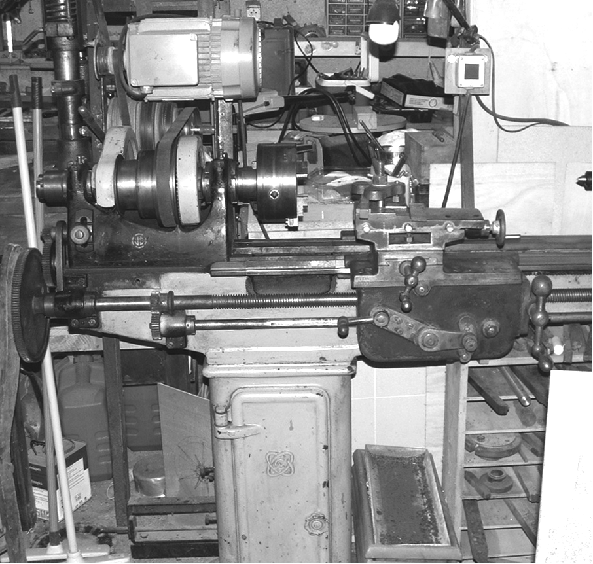
Another involved drive arrangement with the motor driving directly onto the rim of a flat pulley by the application of a friction wheel. This and similar efforts to engineer a compact drive system were the subject of continuous experimentation by most manufacturers between 1890 and 1940.
|
|
|
|
|
|
|
|
 |
|
|
|
|
|
|
|
|
|
|
|
 |
|
|
|
|
|
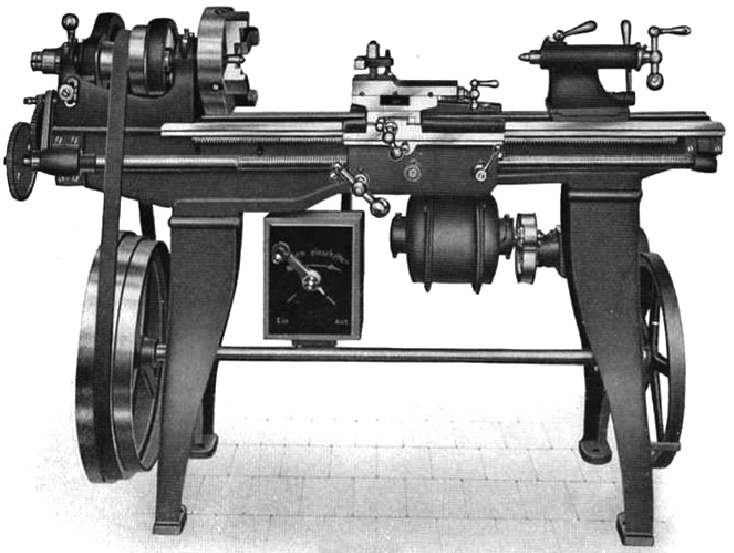
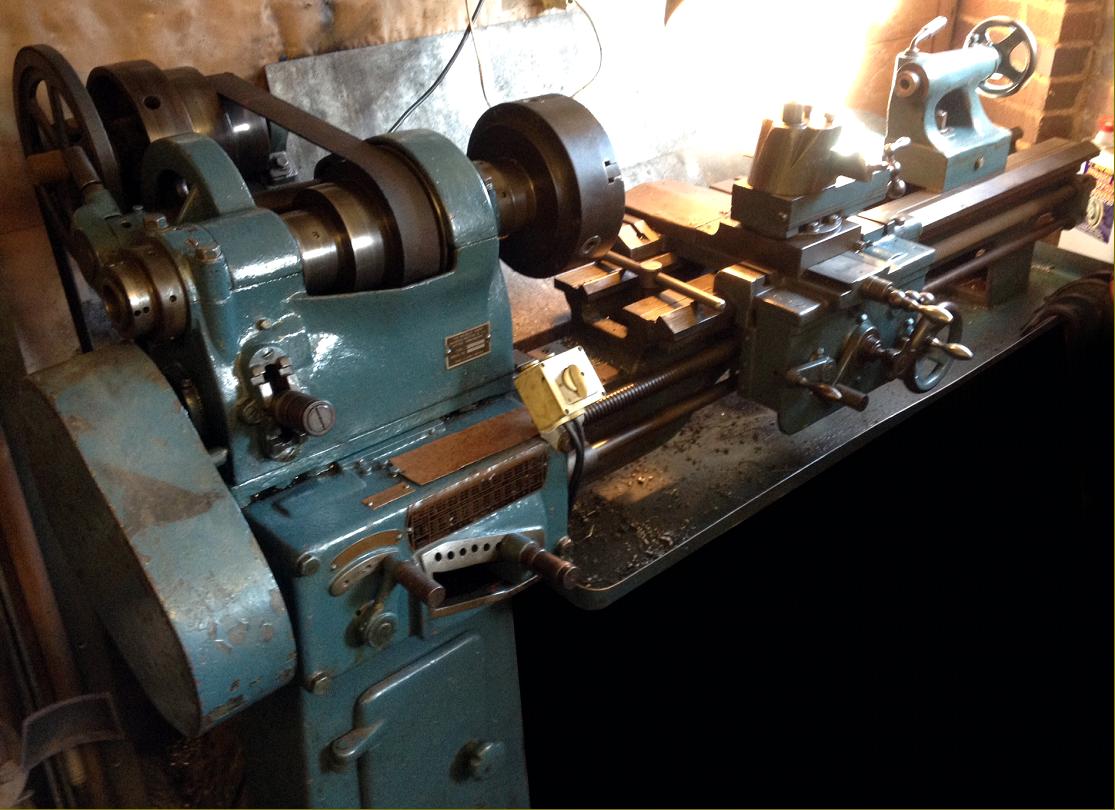
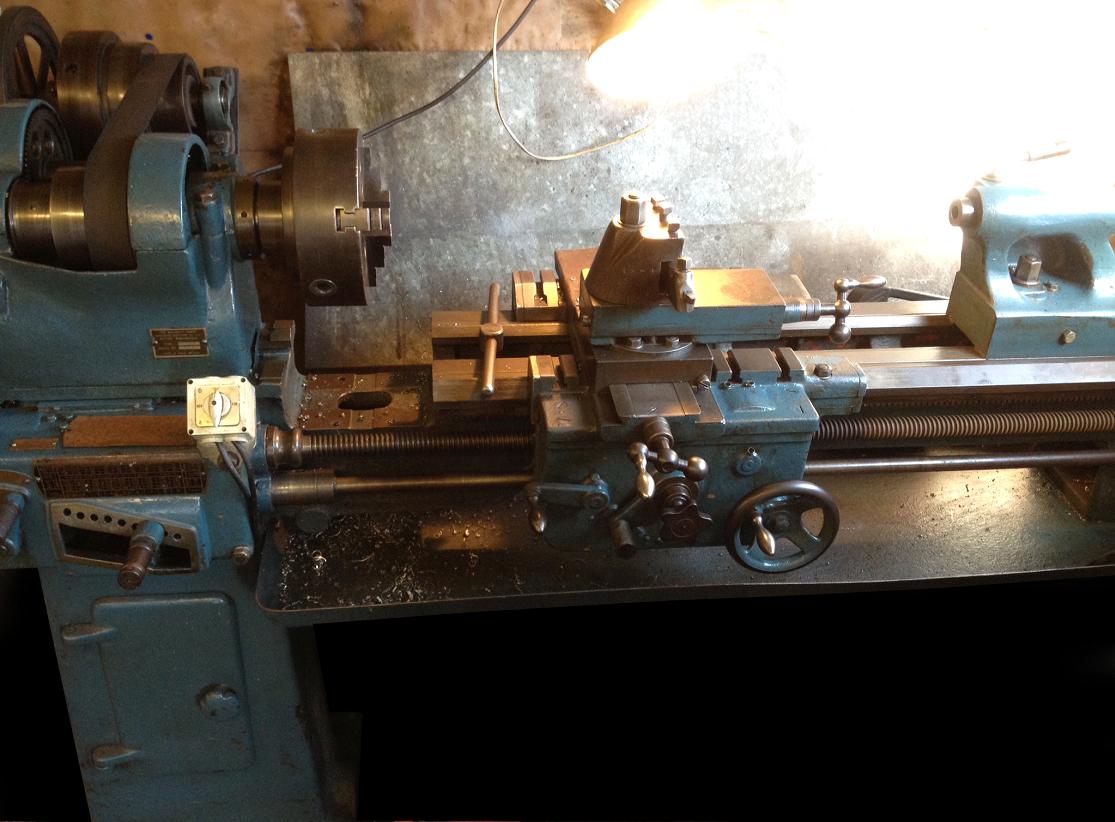
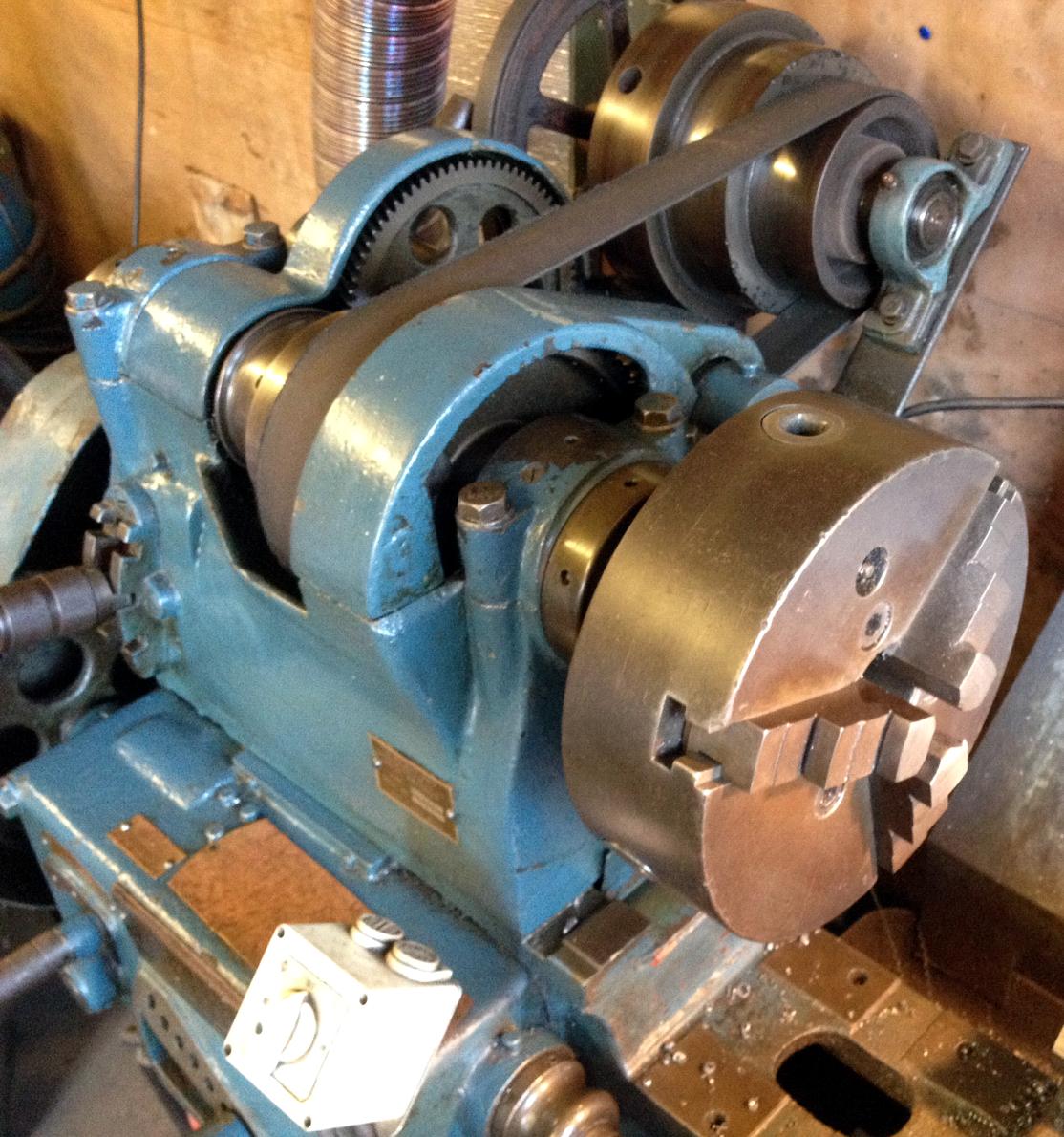
Typical example of a full-specification Ehrlich lathe circa 1927-1933 (as found in the UK) with a full screwcutting gearbox with tumble-reverse drive, a separate power-feed shaft to drive the sliding and surfacing feeds, a large T-slotted saddle that doubled as a boring table and a wide V and flat-way bed - the front V being set with a wide, shallow angle to better absorb wear and a short, steeper inside face to take thrust.
|
|
|
|
|
|
|
|
 |
|
|
|
|
 |
|
|
|
|
|
|
|
|
|
|
 |
|
|
|
|
|
 |
|
|
|
|
|
|
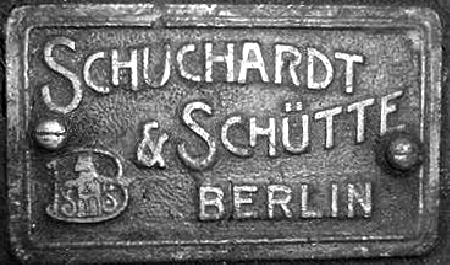
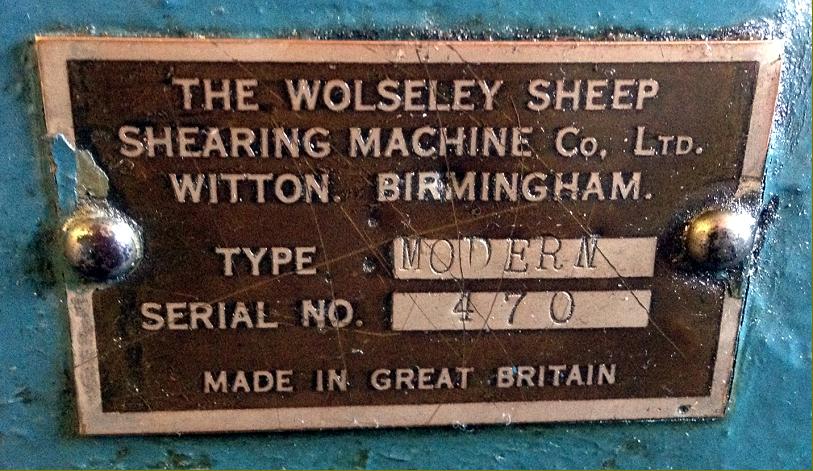
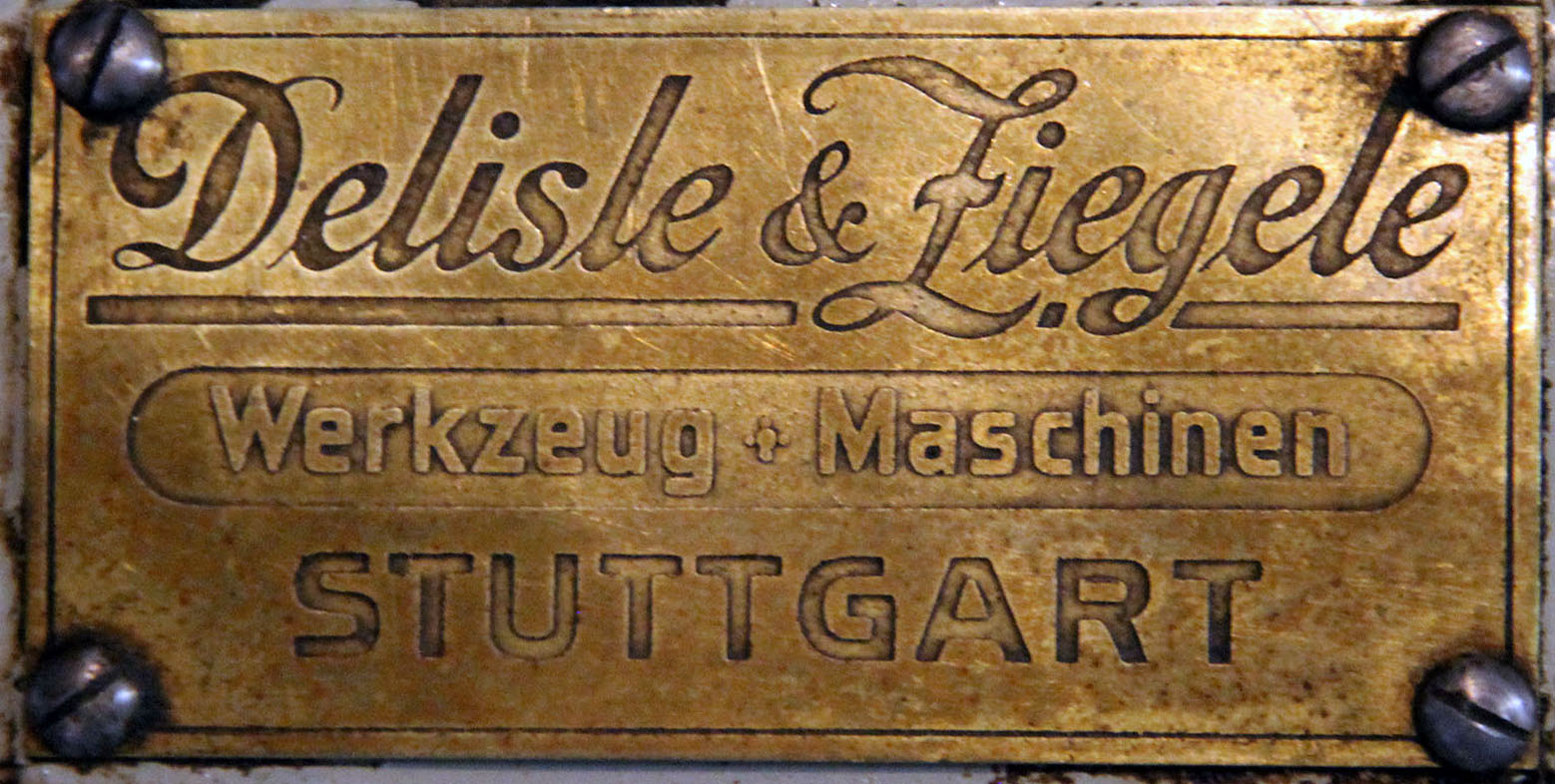
Badge as attached to an Ehrlich lathe found in the UK
|
|
|
|
|
|
|
|
|
|
|
|
|
|
 |
|
|
|
|
|
|
|
|
|
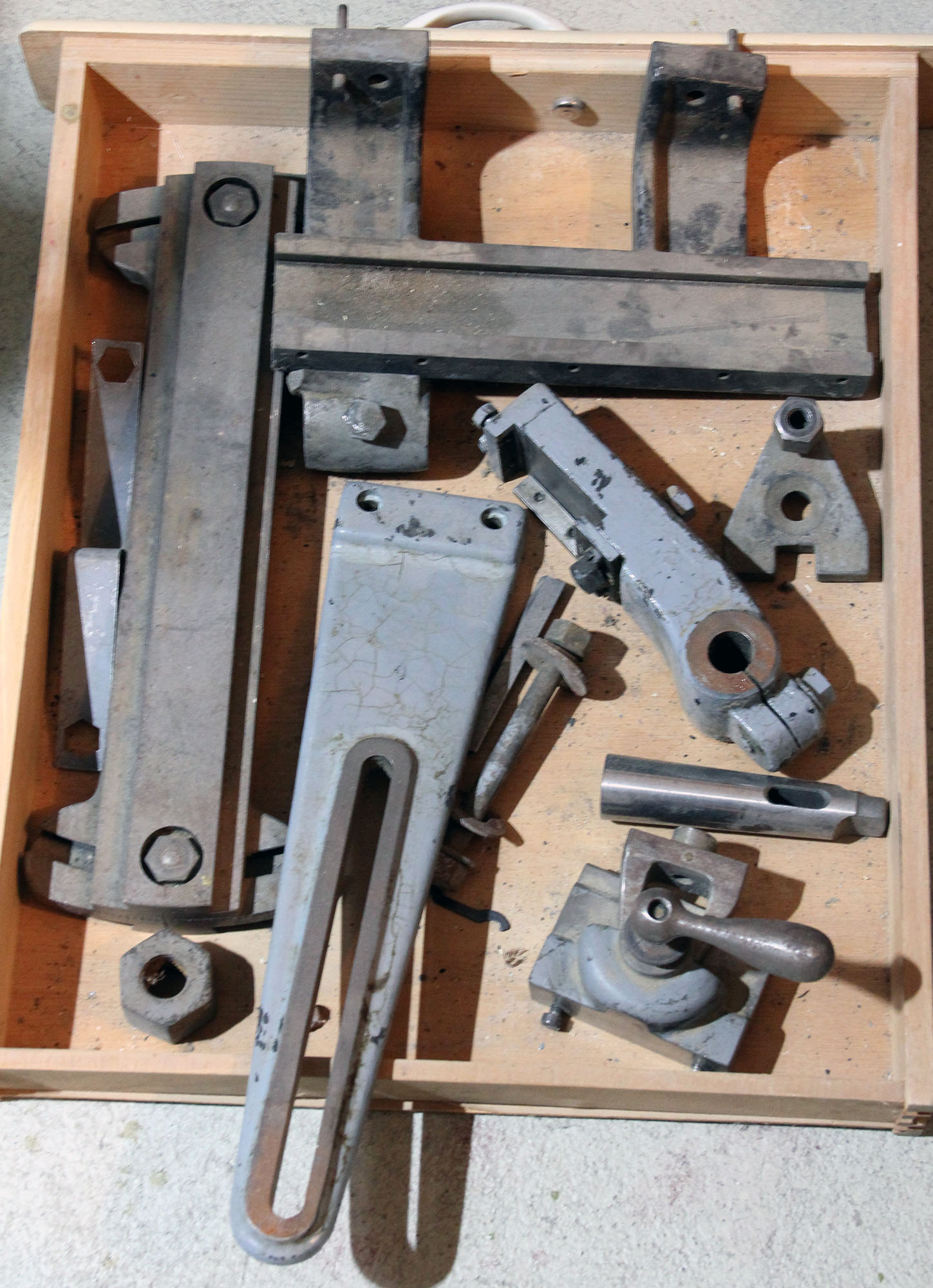
Ehrilch taper-turning attachment
|
|
|
|
|
|
|
|
|
|
 |
|
|
|
|
|
|
|
|
|
|
|
 |
|
|
|
|
|
|
|
|
|
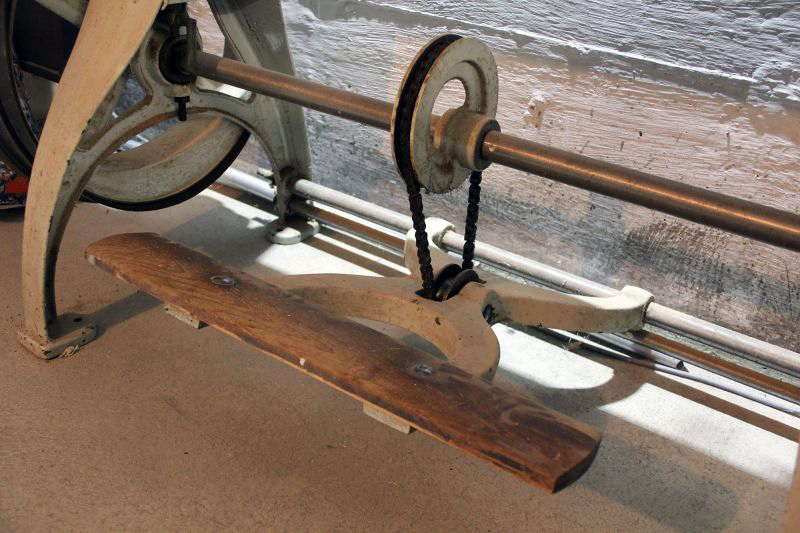
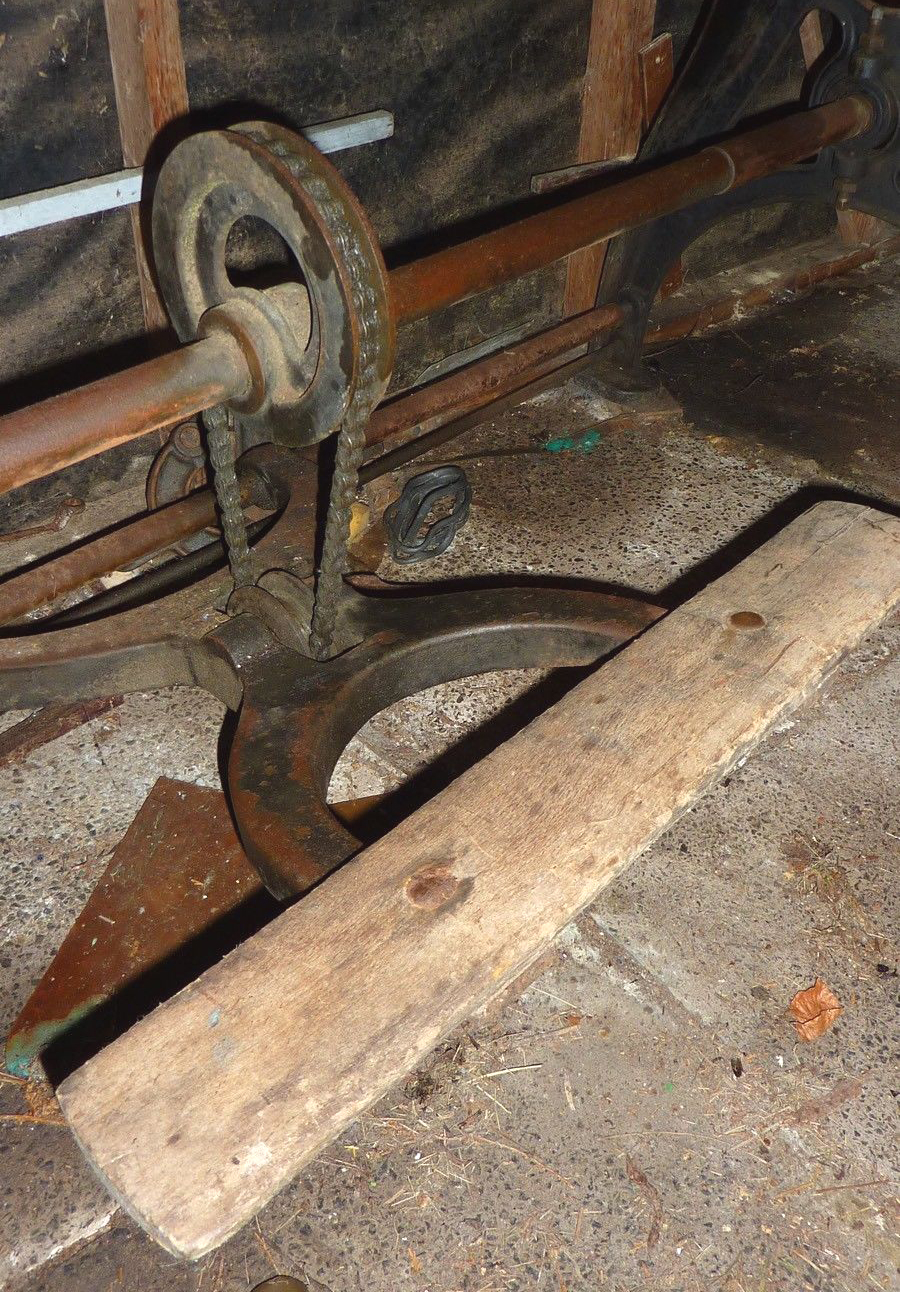
Simple but effective - the Ehrilch treadle drive bit a pulley mounted eccentrically on the driven shaft
|
|
|
|
|
|
|
|
|
|
 |
|
|
|
|
|
 |
|
|
|
|
|
|
|
|
|
|
|
 |
|
|
|
|
|
|
|
|
|
|
|
|
|