
|
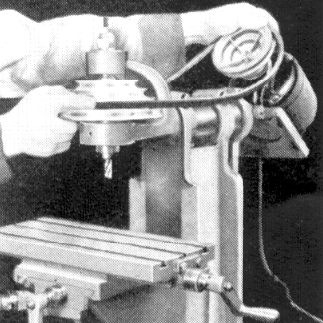
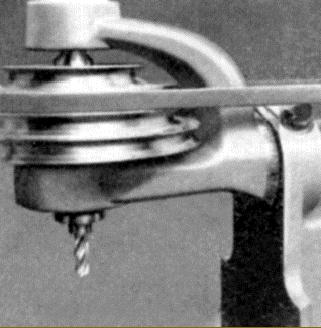
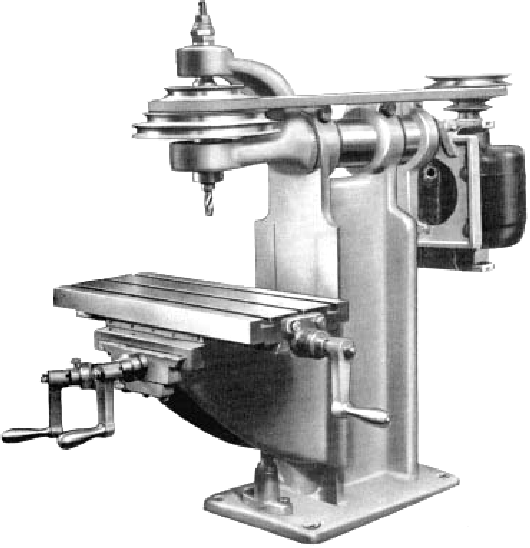
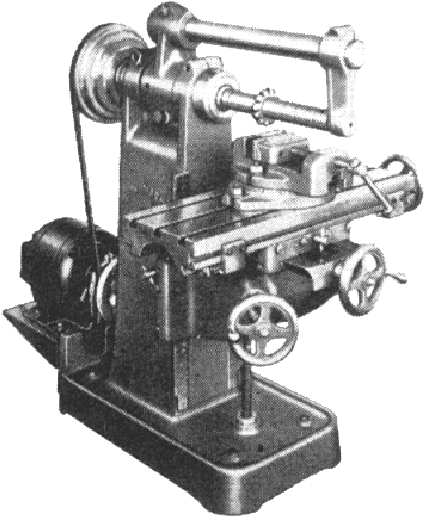
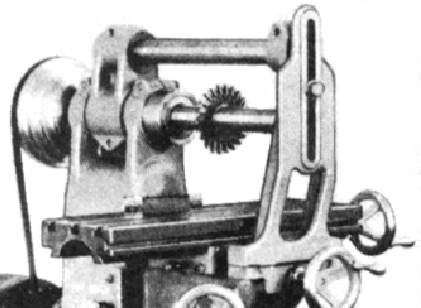
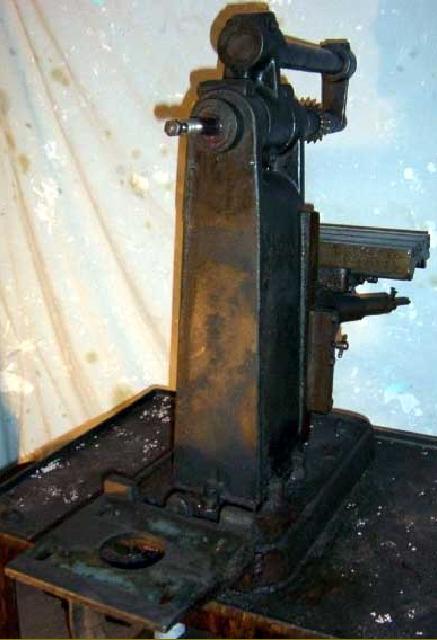
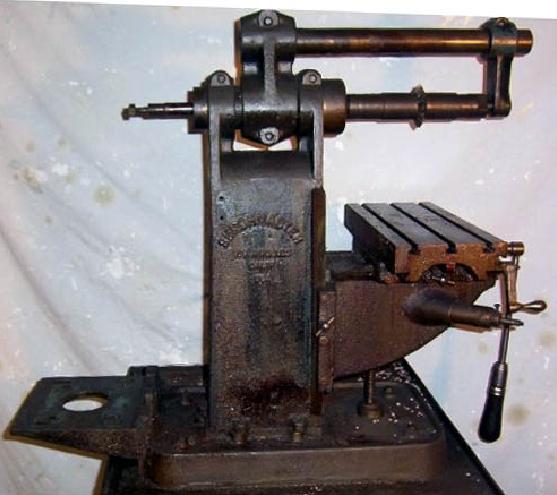
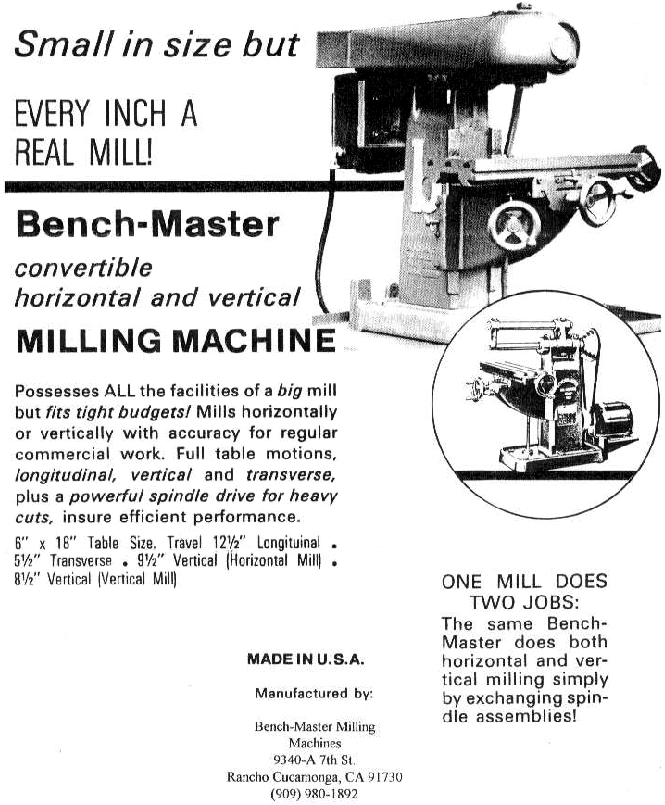
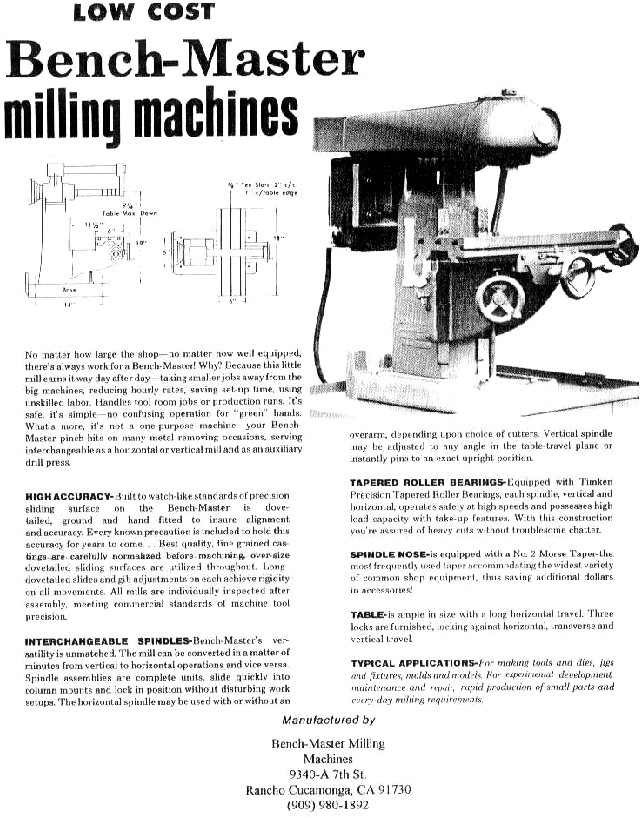
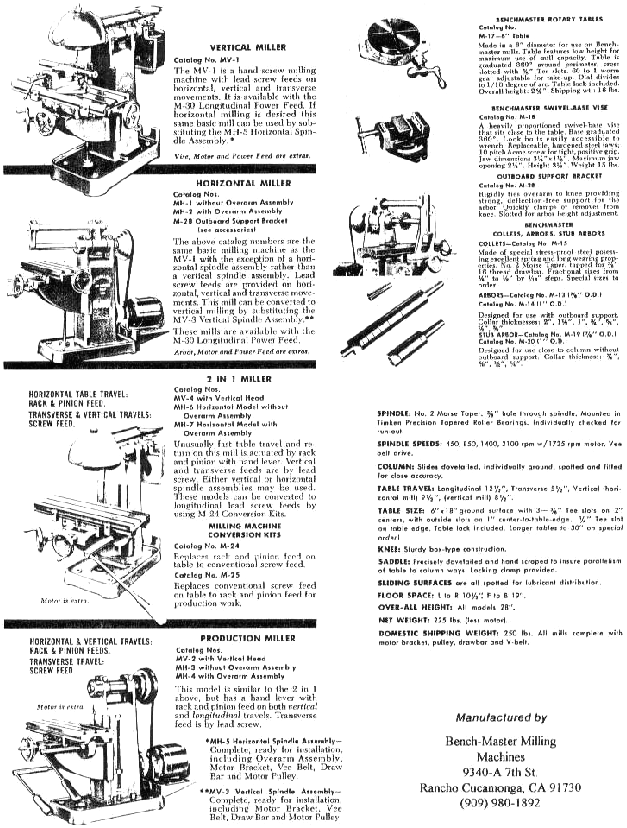
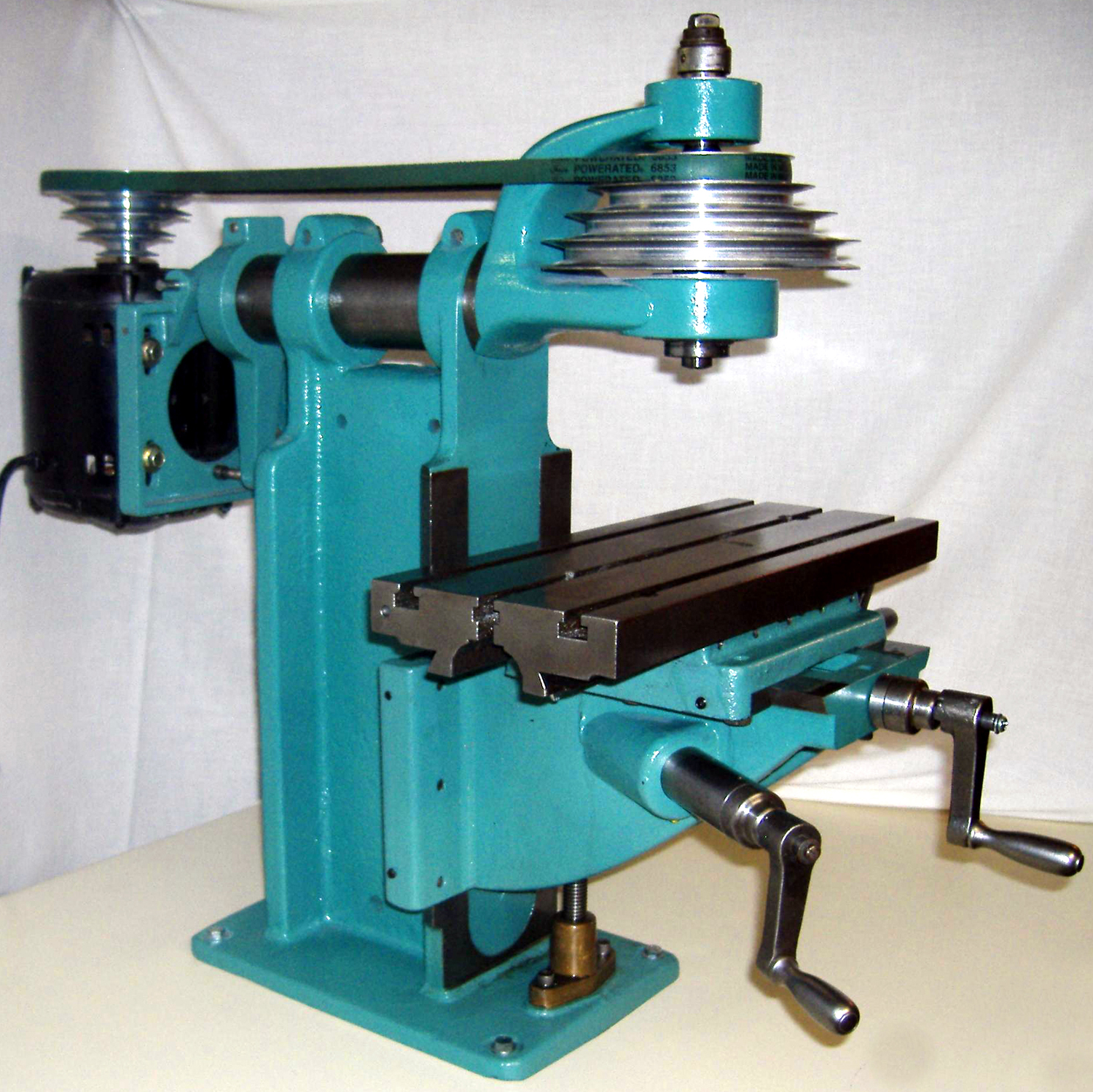
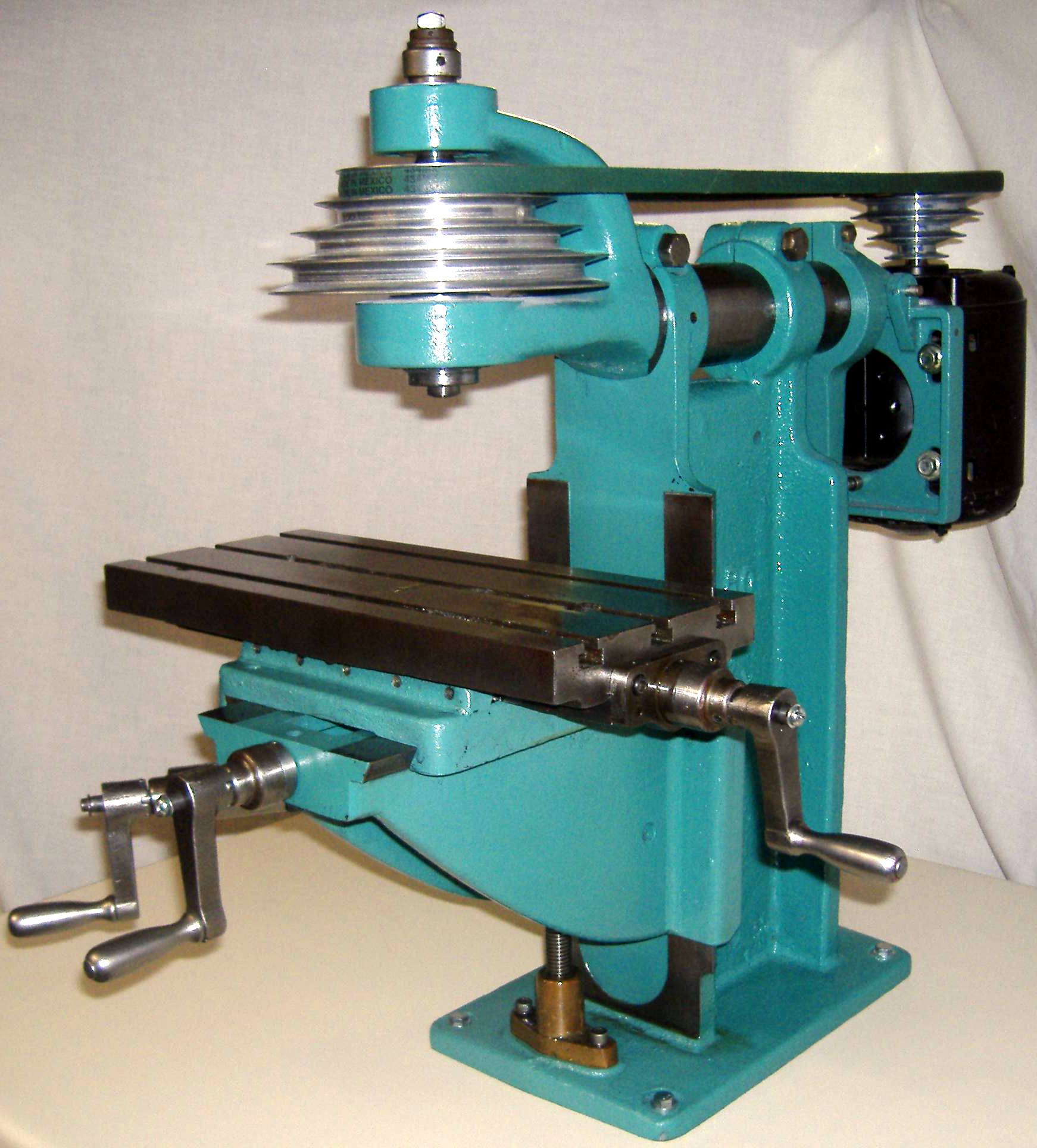
Home Machine Tool Archive Machine-tools Sale & Wanted Continued here: page 2 of 2 Sold as the "Duro" only during 1942 (the year of its introduction) but made until the 1950s as the "Benchmaster", the Duro milling machine was made by the Duro Manufacturing Company at 800 East Sixty-First Street, Los Angles in California. A 1943 reference in Electro-technology (Volume 32, page 248) reports that: Duro Mfg. Co., Los Angeles, Calif., makers of bench-type machine tools, changes its name to Benchmaster Mfg. Co., effective immediately. The firm's main business appears to have centred around punch presses and their most popular earlier miller (or at least, the one that appears to have survived in greater numbers than any other type) was a simple, lightly-built affair, designed (naturally enough) for bench mounting. Available with hand feeds only - and obviously intended for the amateur market, or perhaps for an automotive workshop ambitious enough to attempt some basic machining - it stood 24" high on a (rather thin) 8" x 12" base and weighed 185 pounds. The top of the simple, cast-iron, "I" section main column was bored through to accept a solid steel bar on the front of which was the milling head with, at the back, a motor on a plate hinged to work in the vertical plane - a most unusual arrangement but one that certainly facilitated quick changes of speed. Drive was by a V-belt, running over 4-step pulleys, to a precision-ground spindle running in taper roller bearings and fitted with a No. 2 Morse Taper nose. Spindle speeds, from the usual 1725 rpm electric motor, were 450, 850, 1400 and 2100 r.p.m. - an entirely adequate range for its intended purpose. |
||

|
|
||
|
|
|
|
|
|
||
|
|
|
|
|
|
||
|
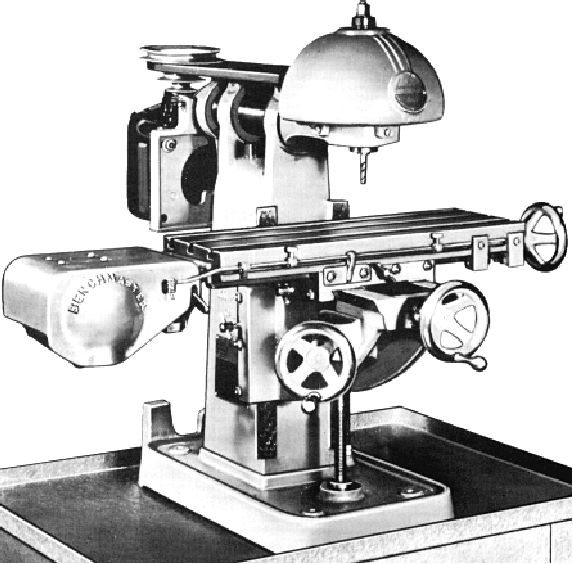
branded Benchmaster |
||
|
|
||

|
Home Machine Tool Archive Machine-tools Sale & Wanted |
||