
|
Home Machine Tool Archive Machine-tools Sale & Wanted |
||
|
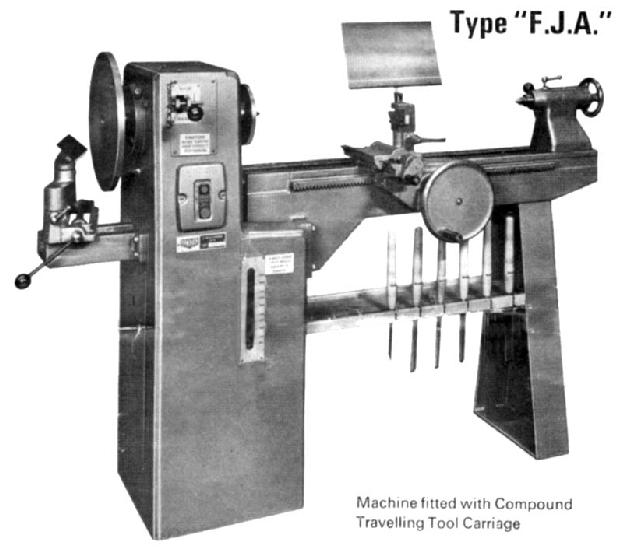
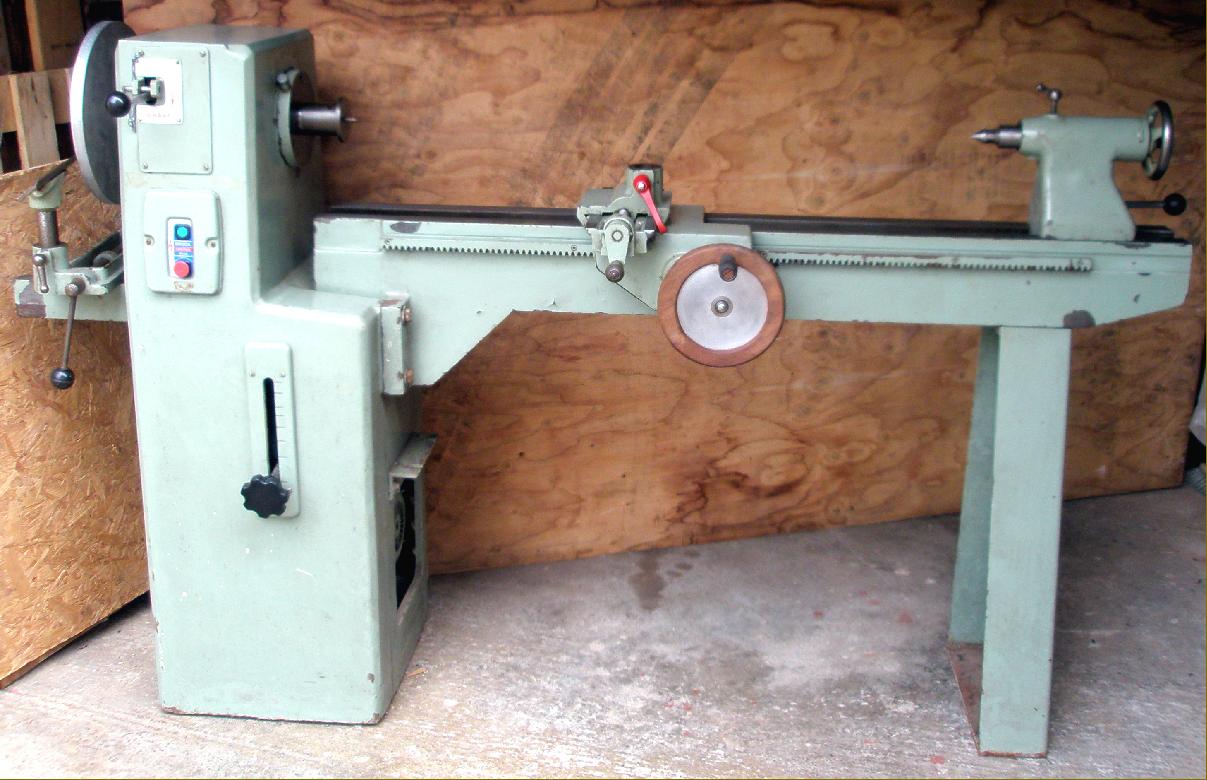
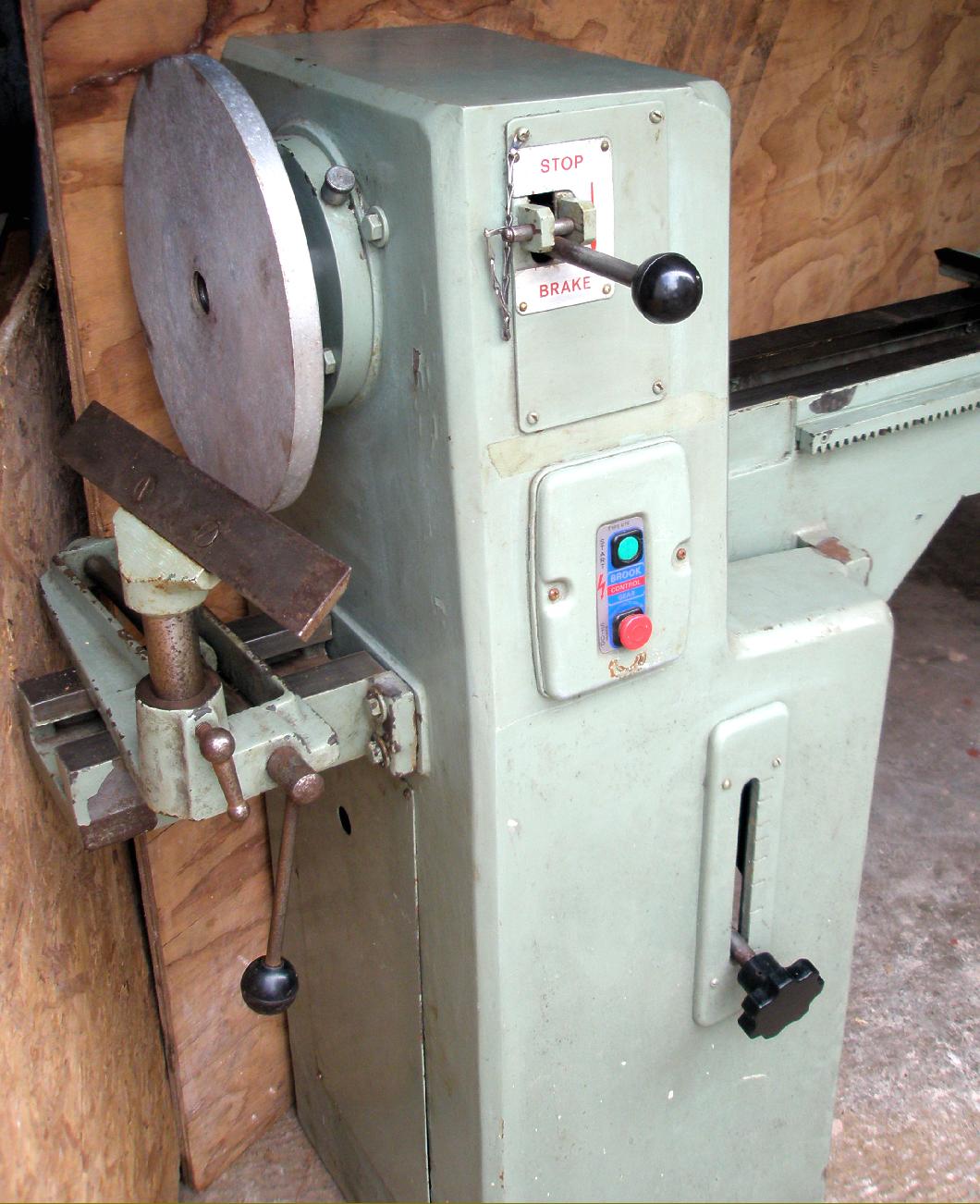
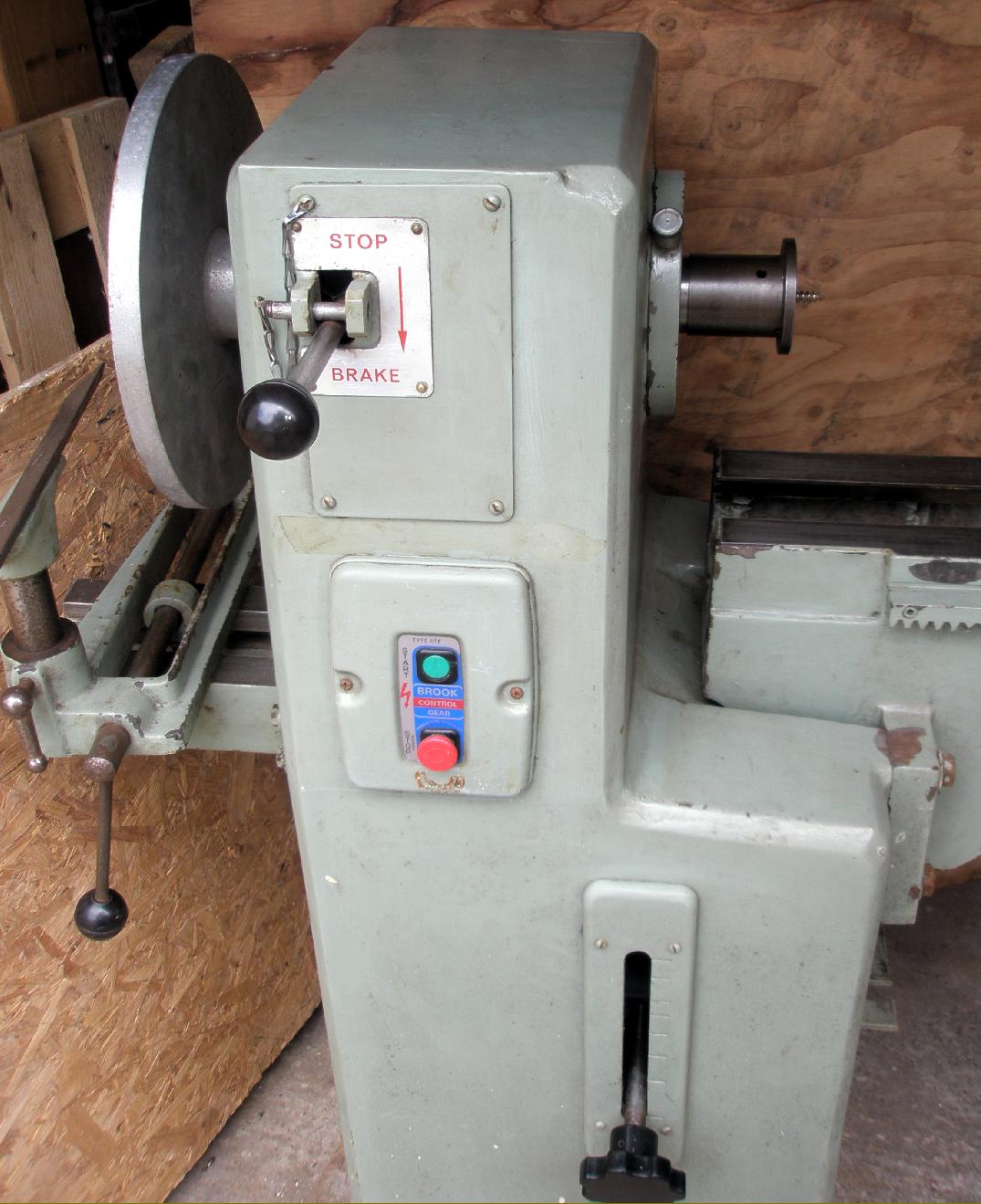
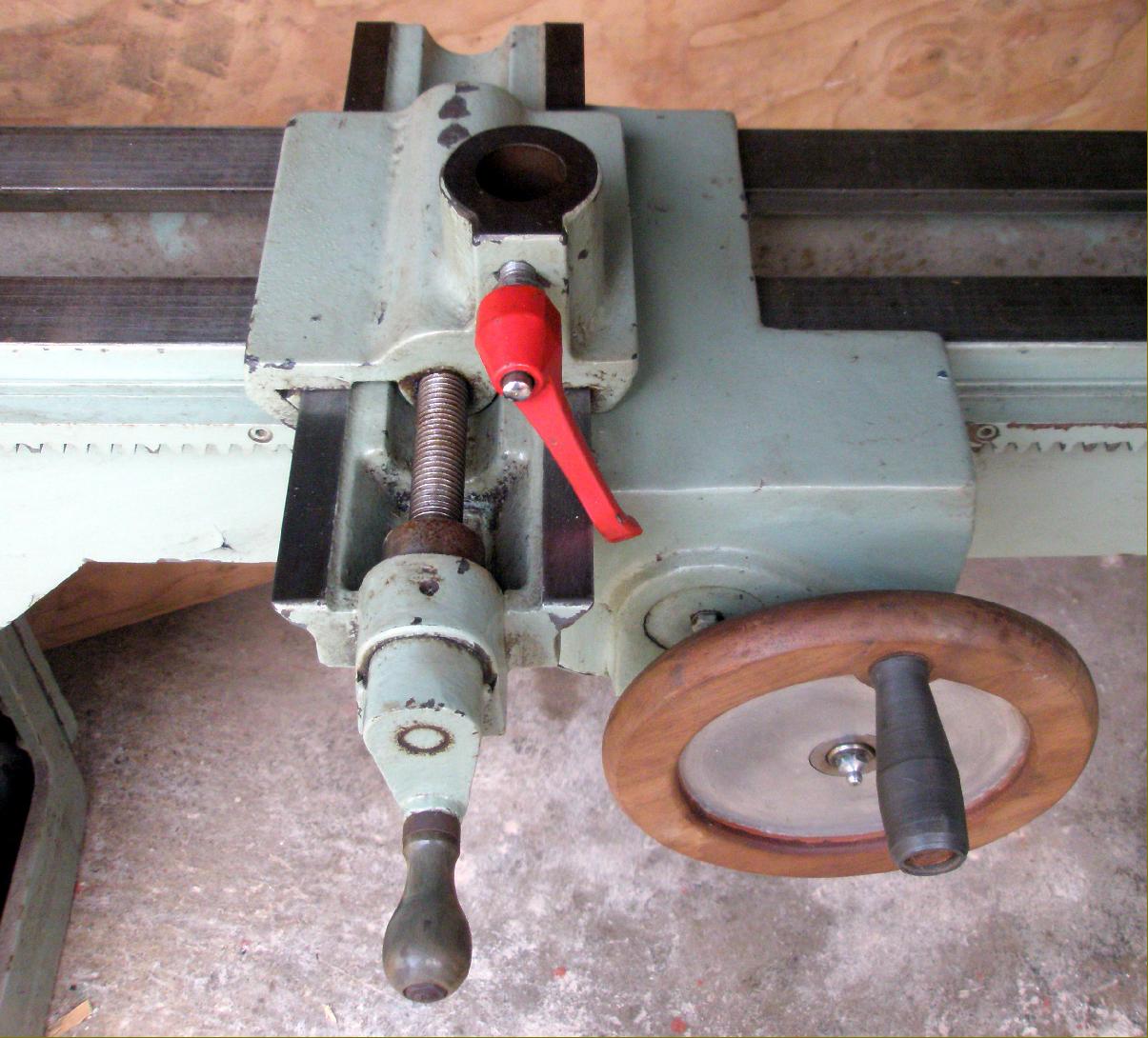
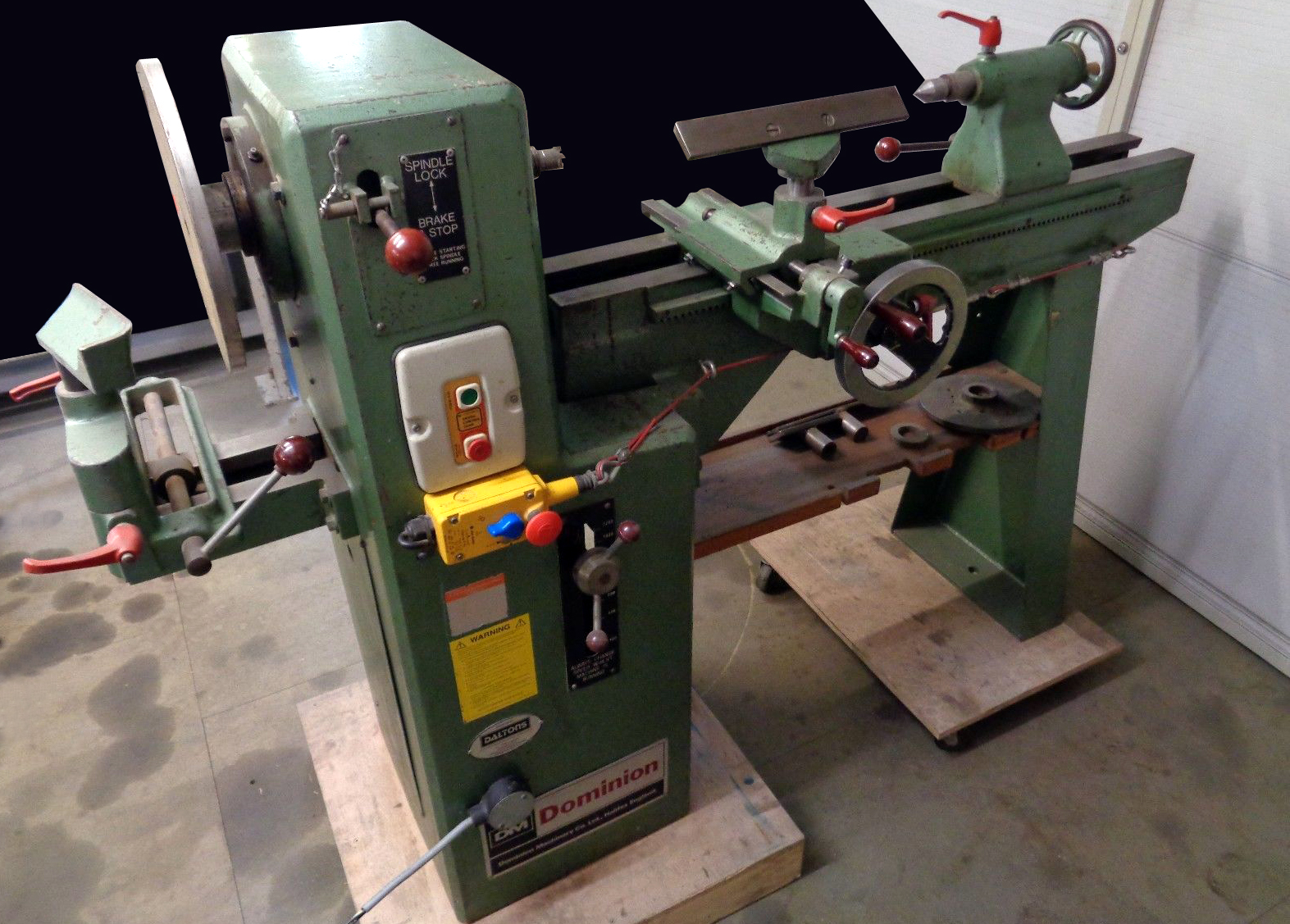
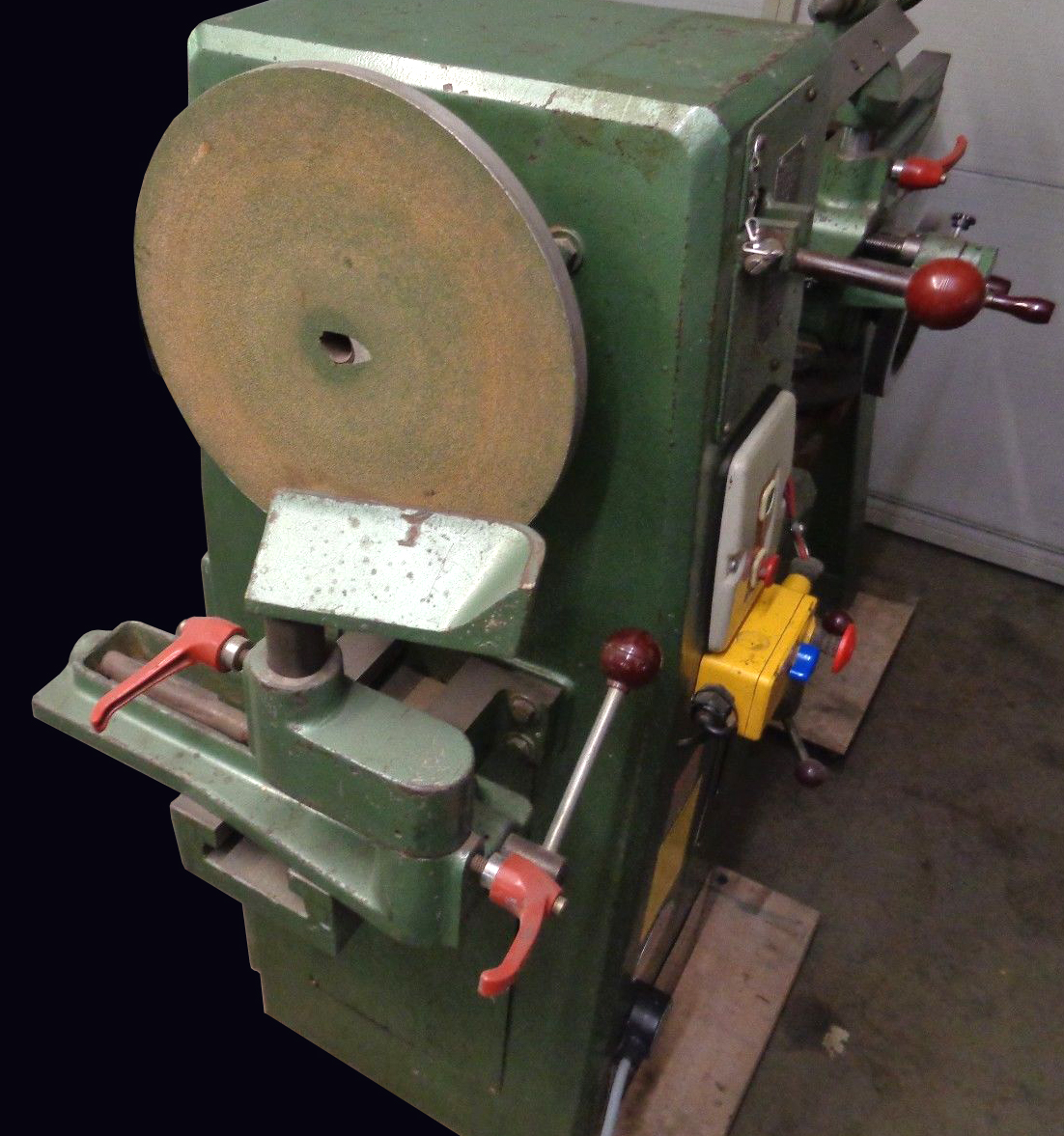
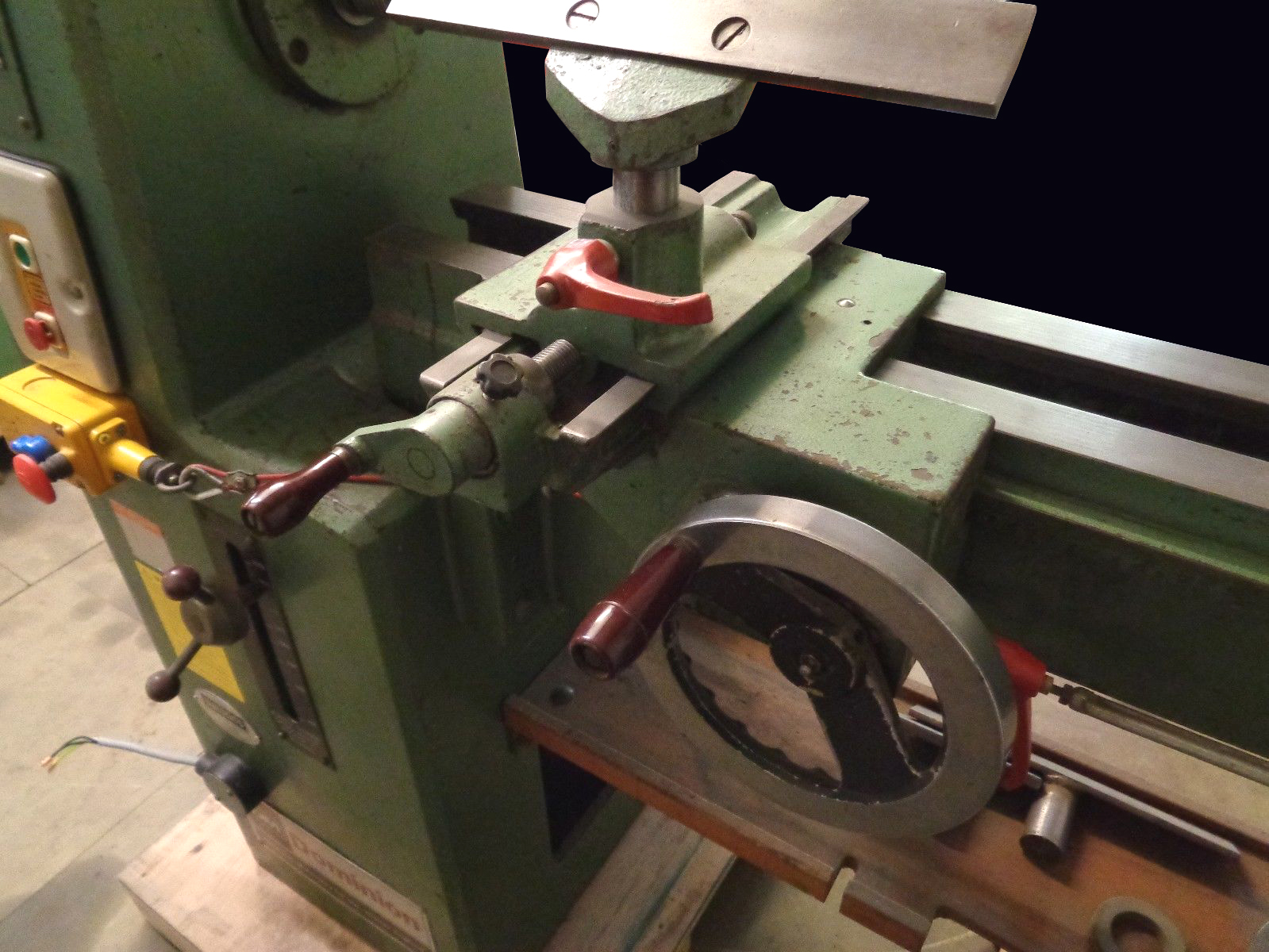
Long known for their high-quality, professional woodworking machines, the Dominion Machinery Company Ltd. were based in Hipperholme near Halifax. Accredited suppliers to the Government and local authorities, in addition to their range of "Universal" and specialised, single-use woodworking machines, they also offered a range of wood-turning lathes that, at its height, consisted of the very Harrison Jubilee-like 5-inch "Handy"; the 6-inch and 8.5-inch "A.L.1", "A.L.2" and "A.L.3". When fitted with a compound slide rest the entire L.A range all gained an "A" suffix to their model type. The A.L lathes - looking very similar to and obviously inspired by the Wadkin RS - were made in both an original "round-style" from the 1950s and then (with few mechanical changes) in a modern "angular" version from the 1960s. Also manufactured was the 6-inch centre height F.J.A. together with an 8-inch version, the Type A.L.Y - these machines competing in the same segment of the market as the hugely popular Harrison Union Graduate,. Very heavily-built, the 6" x 30" or 42" (152 mm x 1016 mm or 1320 mm) ) F.J.A. and A.L.Y. offered a lot of turning capacity in a small space. In addition it enjoyed one compelling advantage, especially for educational and training use: variable-speed drive, a fitting that did not become available on the Graduate until the 1990s. With control by a single lift-and-fall lever on the front face of the stand, this convenient and efficient drive provided a much safer machine - there being no need for students to open covers and move belts from pulley to pulley. The vari-speed system was mechanical, with expanding and contracting pulleys driven by either a 1 h.p. 3 phase motor or a 3/4 h.p. 1-phase motor and gave a useful range from 400 to 2200 r.p.m. (though the top speed was also listed as 2400 r.p.m.) The drive unit (probably by Crofts), was mounted on a single shaft and, using side-by-side expanding and contracting pulleys, was fitted between the fixed motor in the base of the plinth and the headstock pulley. It was arranged to "float" vertically in its hanger and, as it rose and fell, so automatically compensated for the change in belt tension as both pulleys opened and closed. Also fitted was a useful spindle brake, operated by a lever on the face of the headstock. While the slowest speed was ideal for turning large-diameter bowls, the highest was, perhaps, a little too slow for smaller work. |
|
|
||
|
|
|
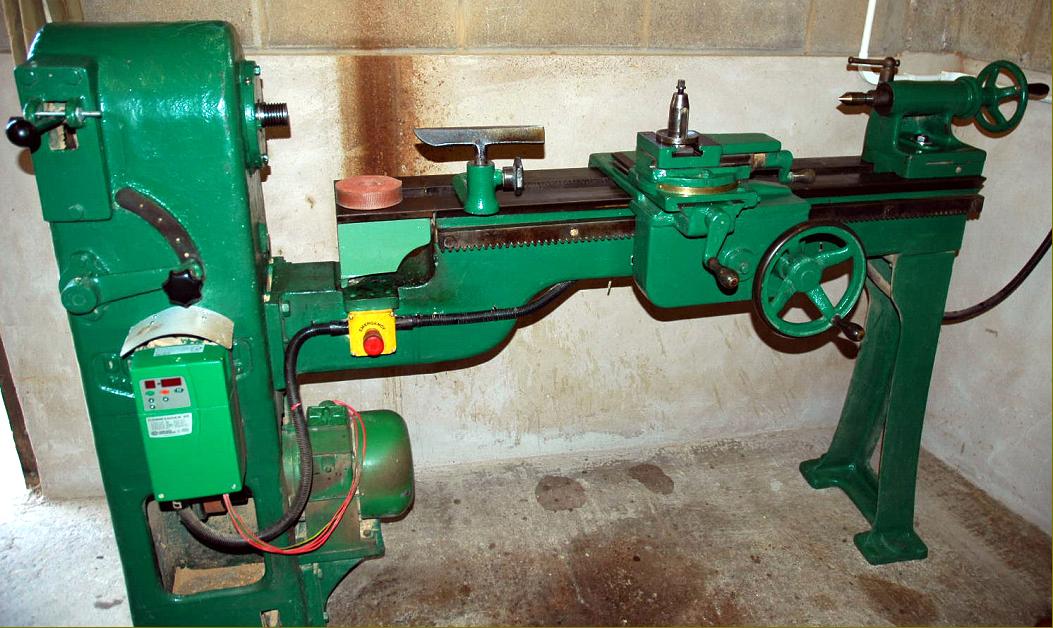
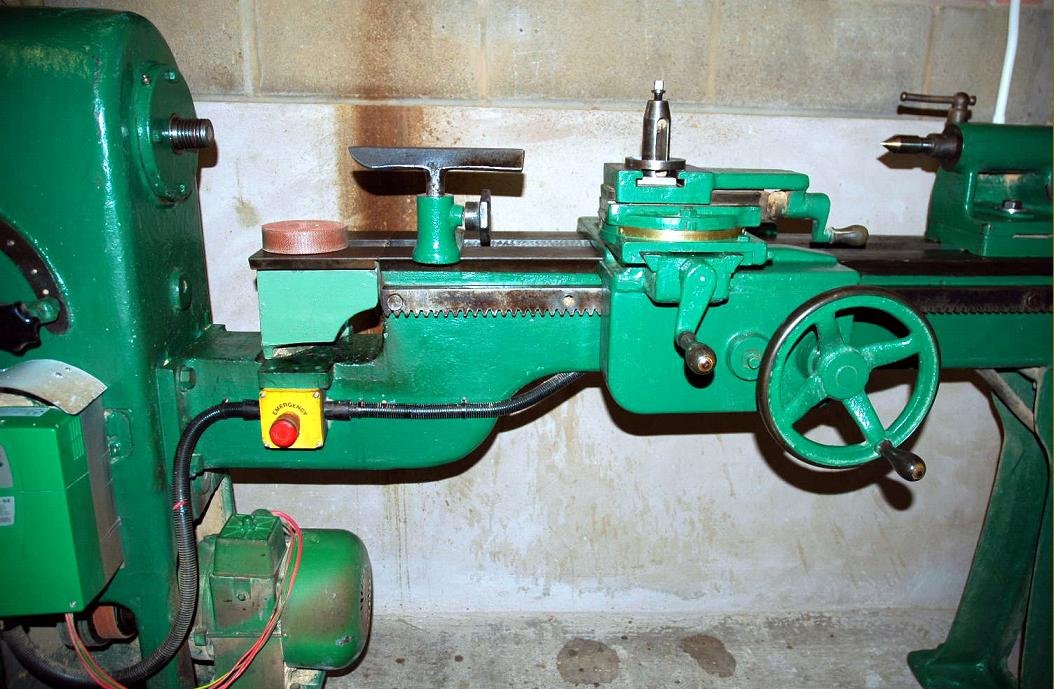
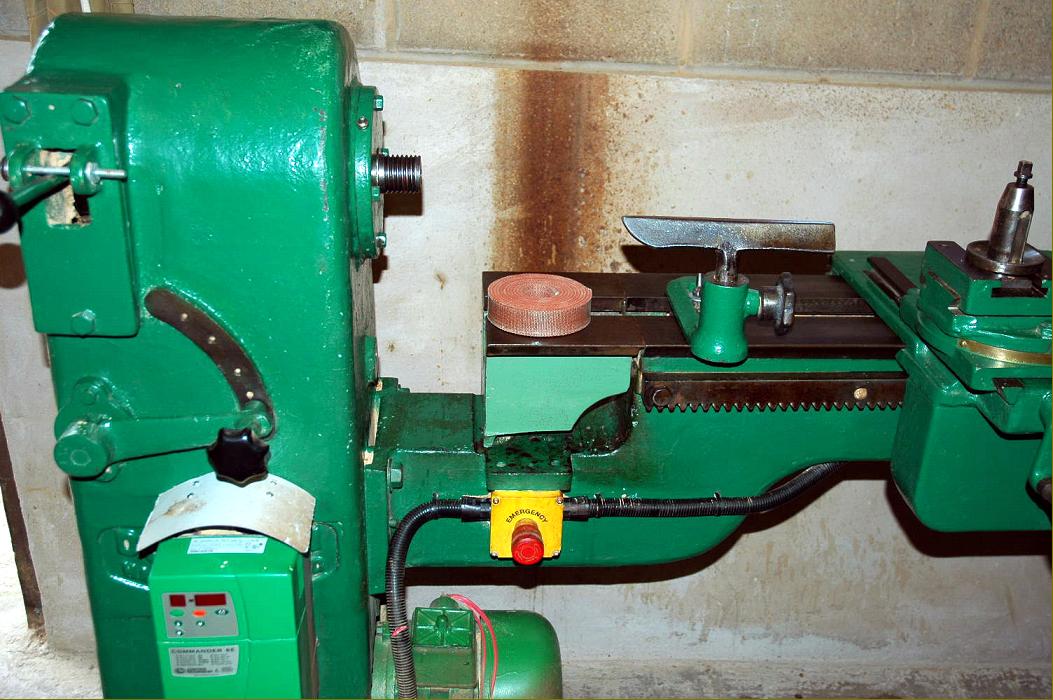
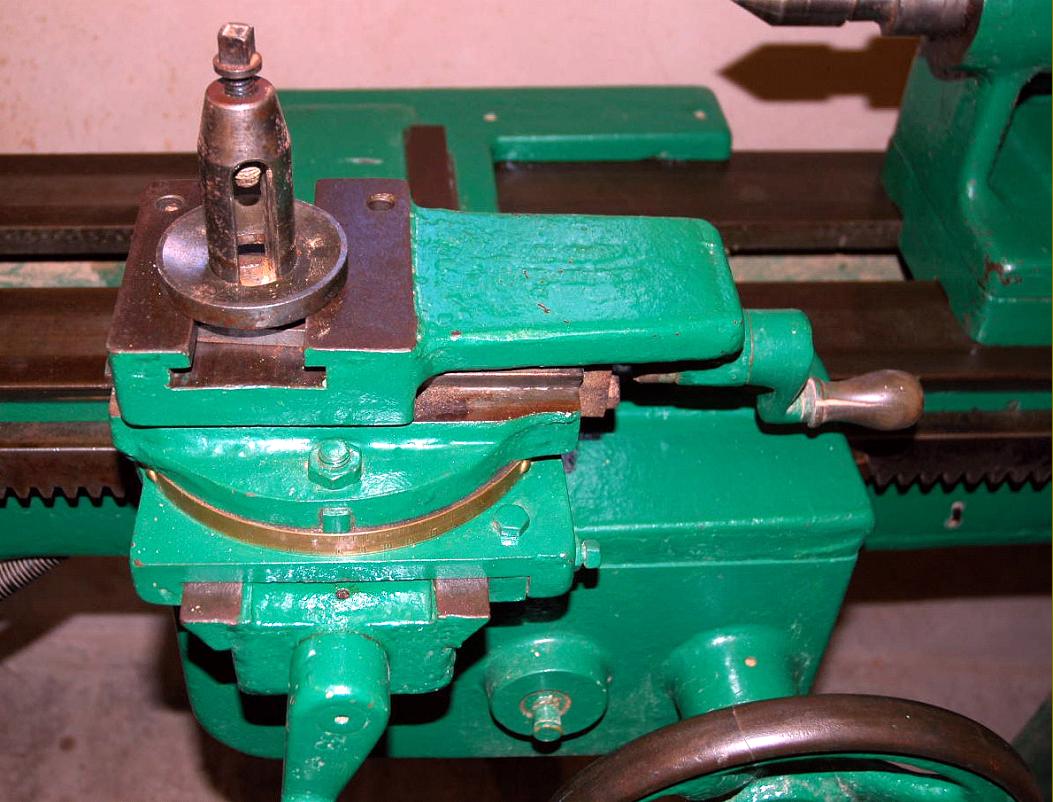
An earlier 6.25" x 42" Dominion wood lathe from the 1950s - a 6-inch Type A.L. - with a conventional 4-speed flat-belt drive. The large detachable gap section allowed work up to 25 inches in diameter to be turned. Threaded 1.75" x 6 t.p.i. the spindle nose on this example had a No 3 Morse taper, as did, rather usefully, the tailstock. |
|
Home Machine Tool Archive Machine-tools Sale & Wanted |
||