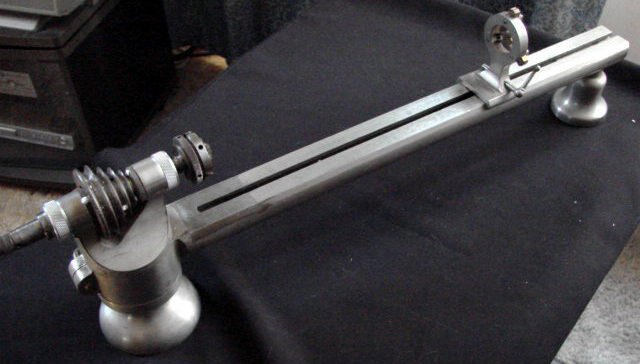
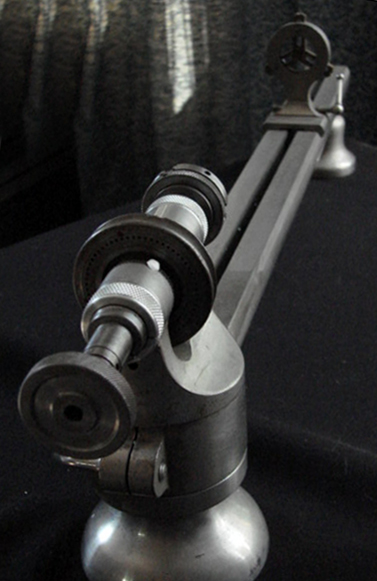
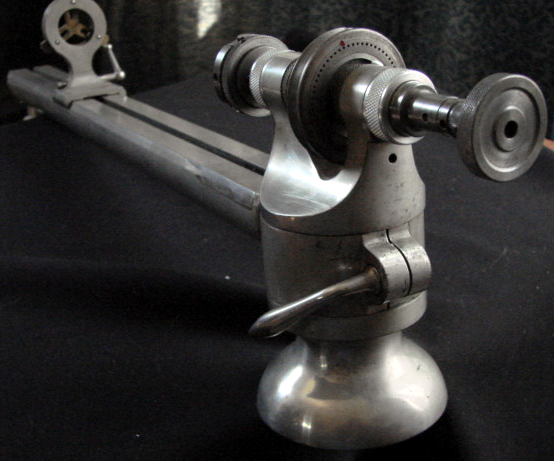
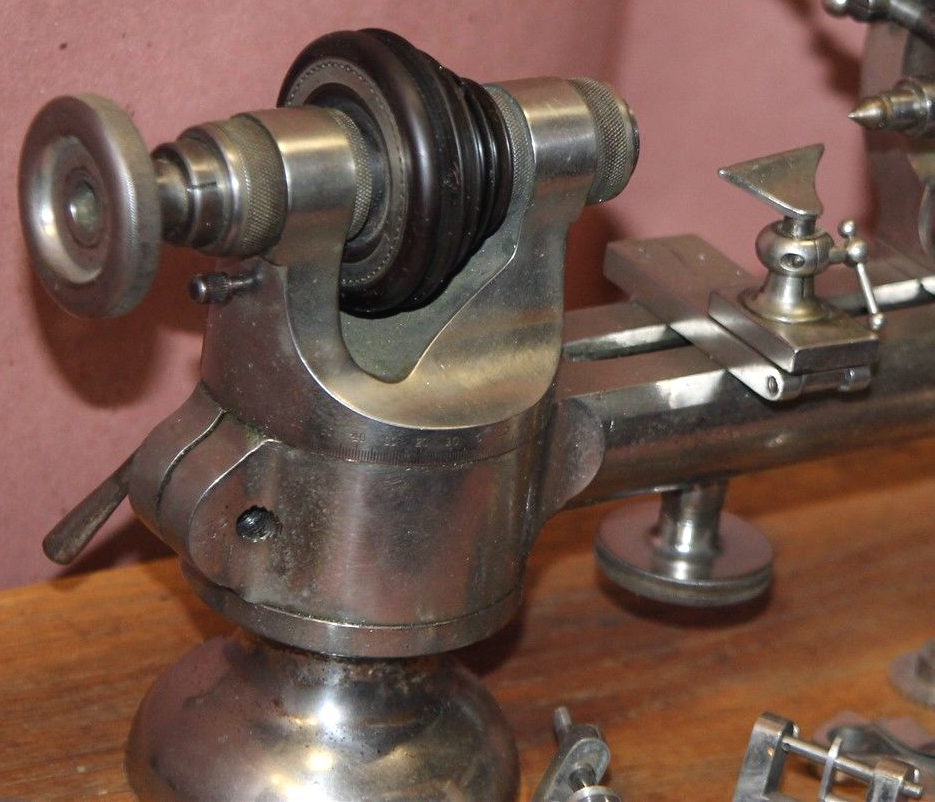
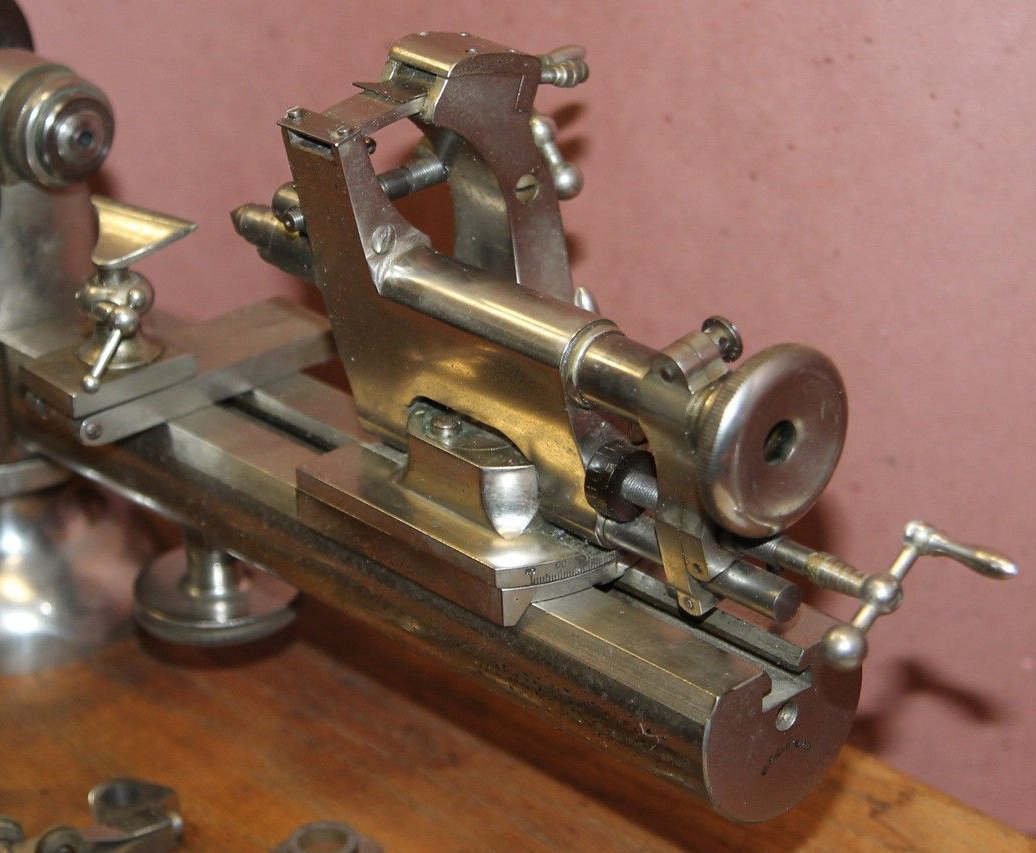
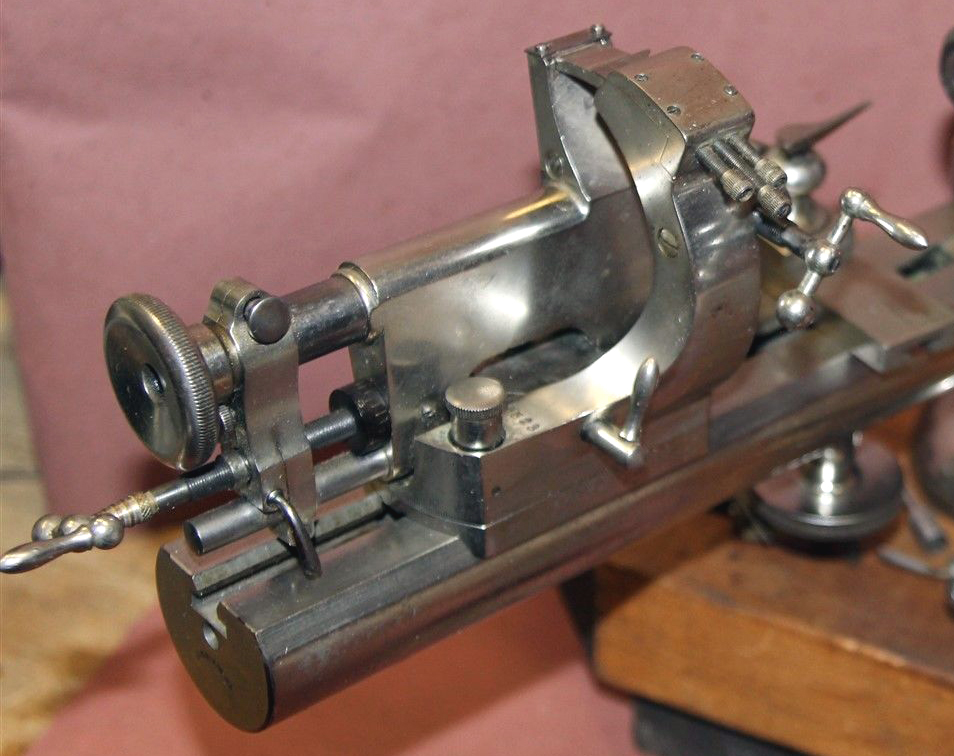
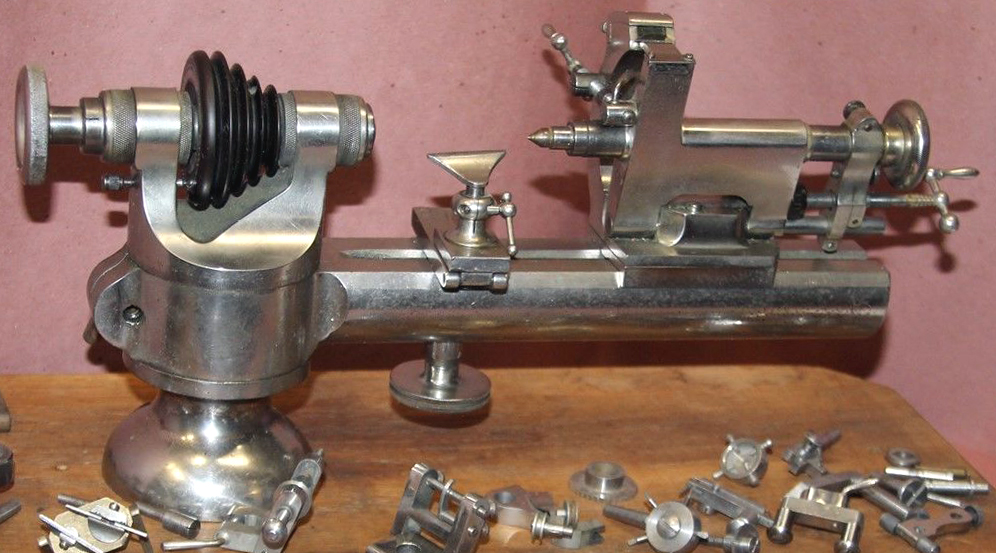
Clement Standard WW Lathe
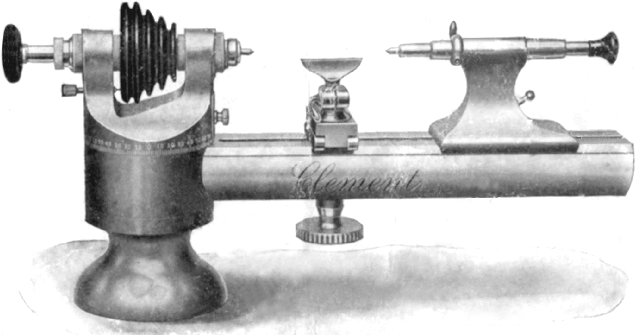
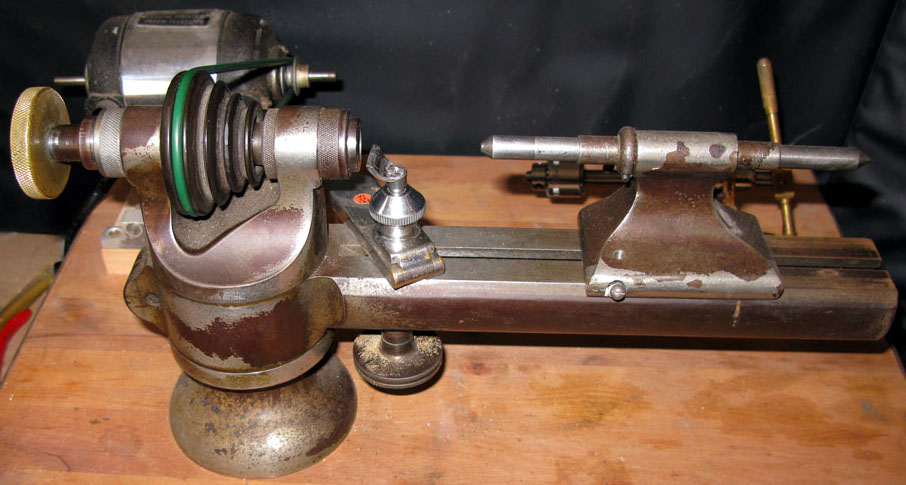
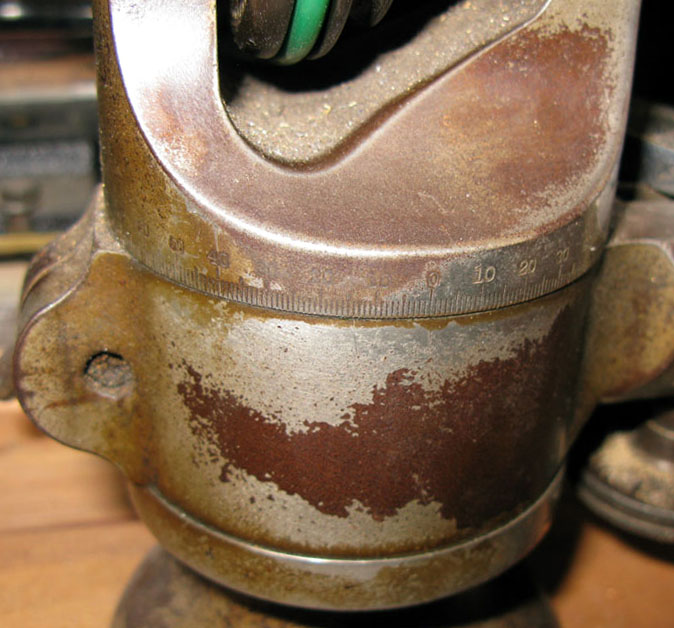
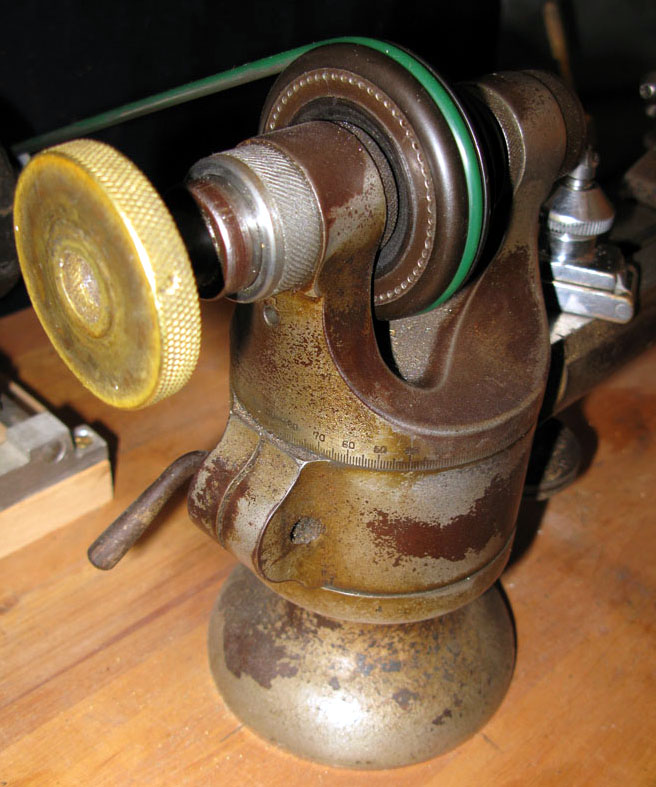
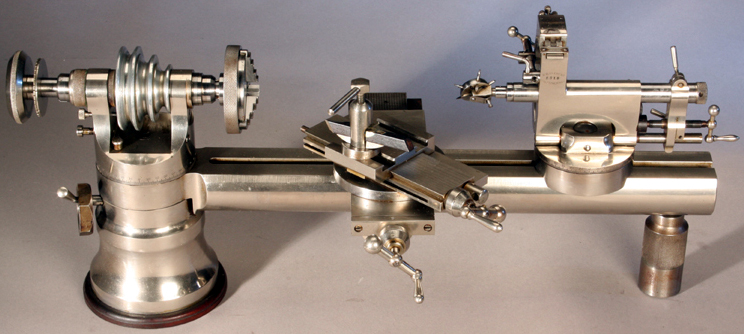
Manufactured in Waltham, USA, home to so many other high-class machine-tool makers, the "swivel-head" Clement Precision Watchmaker's lathe was the product of one William Dickey Clement's fertile imagination. The distinguishing feature of this Clement - other than the wildly exaggerated advertising claims leavened with home-spun homilies - was the stout foot that allowed the bed to be swung while the headstock remained in alignment with its drive pulley. However, this was not the only lathe the company manufactured, they also offered what amounted to a standard WW-type lathe, details of which can be found here.
Competition in the watch-lathe sector before the 1940s was keen and, although the Clement enjoyed an advantage in the number and variety of accessories offered (and some were very cleverly designed indeed), many of them were (users reported) too tricky in operation and often too flexible to be a real success. Many owners, realising that the machine was not functional when set up in one of its modified forms, simply used it as a standard watchmaker's lathe and the special fittings, now so sought after as collectors' items, were discarded.
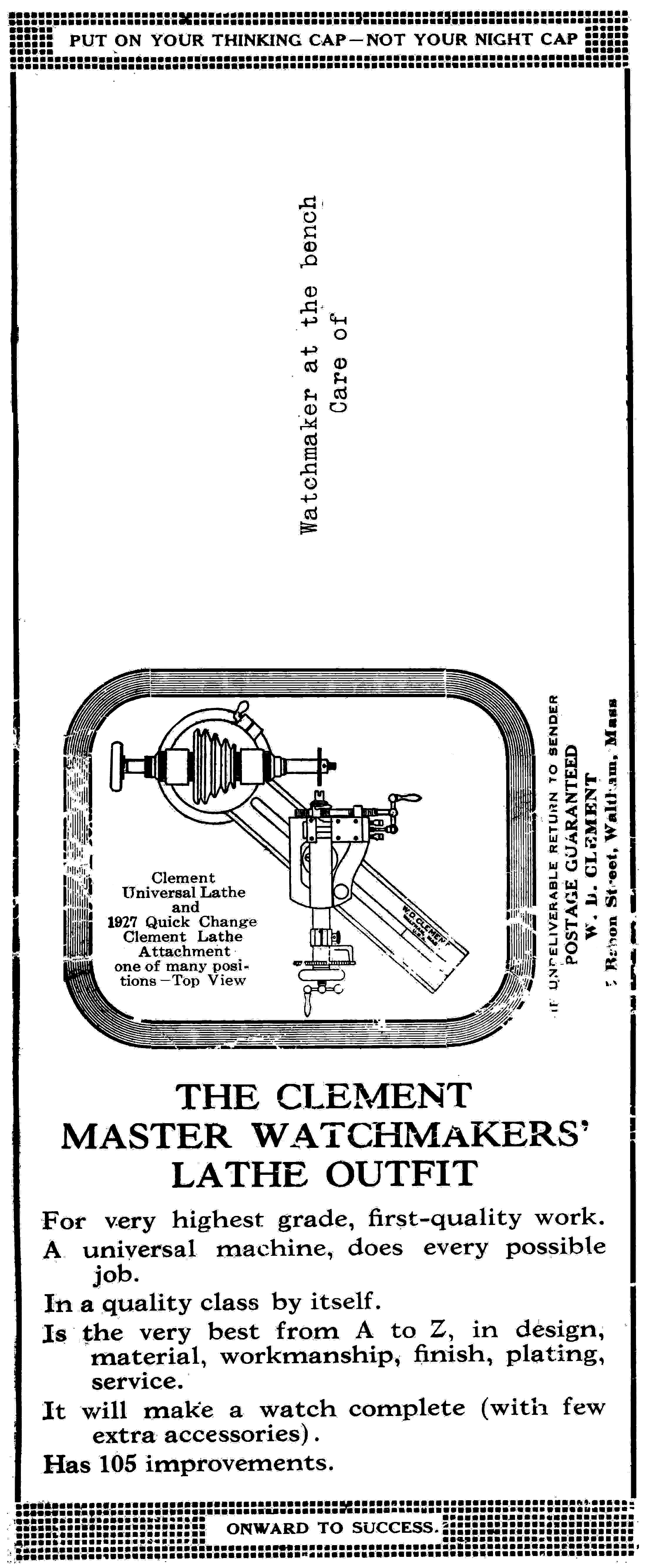
By 1946 the standard Clement was referred to in publicity material as both the "Master Watchmakers' Lathe" and "Clement Master Watchmaker's Lathe" - the latter when fitted with a larger spindle and greater capacity "Magnus" rather than (smaller) WW collets. The range had also expanded to include what was termed a "Manufacturing" model, a 120 mm (4.72-inch) swing version with a heavier 3-speed drive to the spindle from a foot-pedal-controlled, variable-speed motor. Various specifications were offered that ranged from a simple plain lathe to one with screwcutting and power-feed through changewheels and a universally-joined shaft to the top slide. However, the "Manufacturing" still retained the swivelling bed, long a Clement trade-mark feature, and was available in 12, 15, or 18-inch lengths that gave, respectively, 4, 7 and 10 inches between centres.
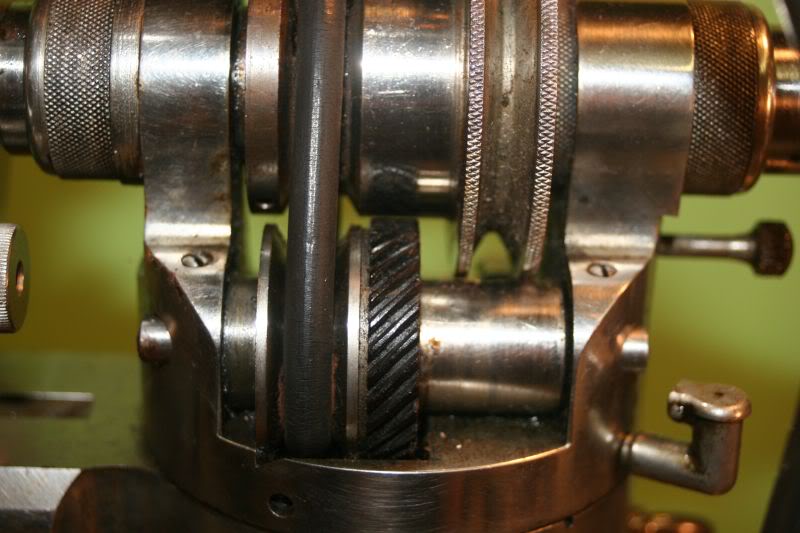
One especially unusual model (with a 50 mm centre height that took 10 mm collets) had the motor built neatly into the amply dimensioned foot with the initial drive by a worm gear on the motor's spindle to a worm wheel carried on layshaft beneath the spindle - and from there to the spindle pulley by the usual round belt.
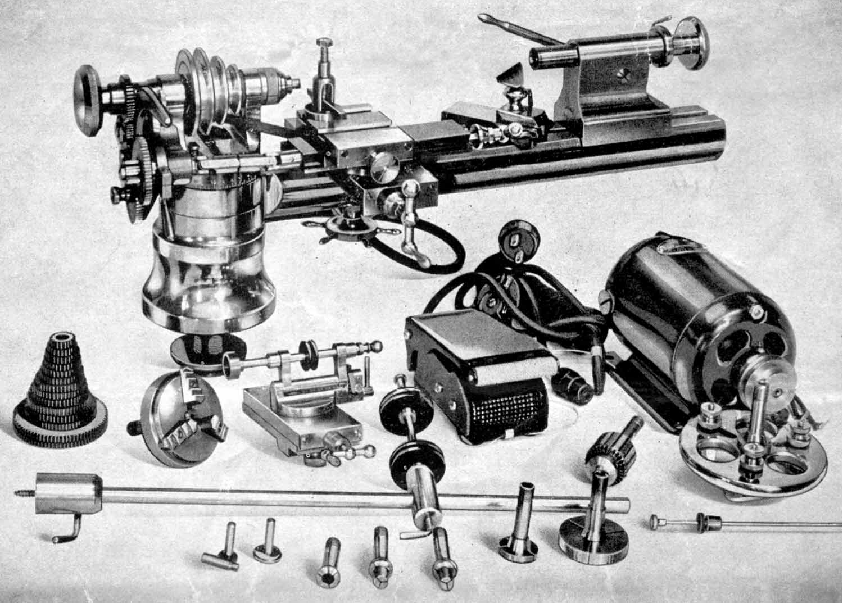
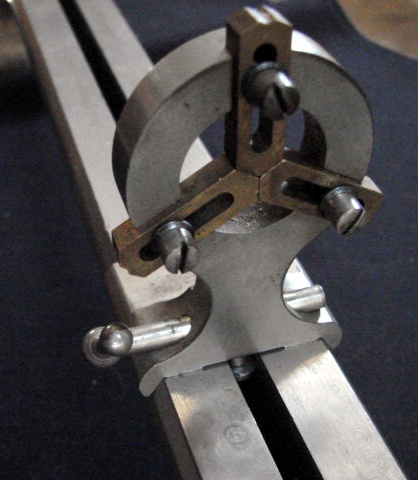
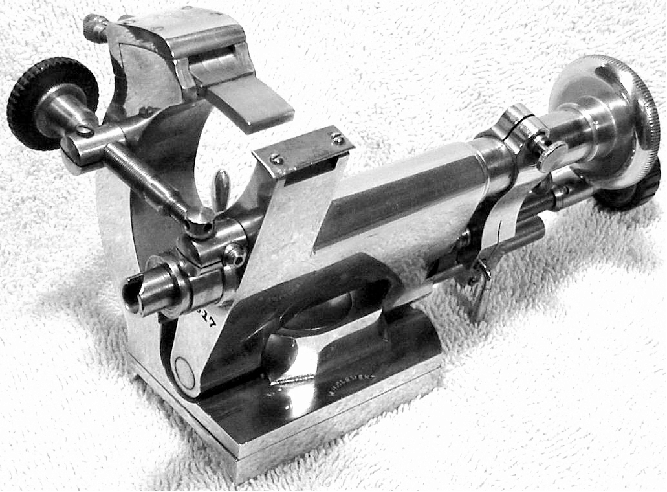
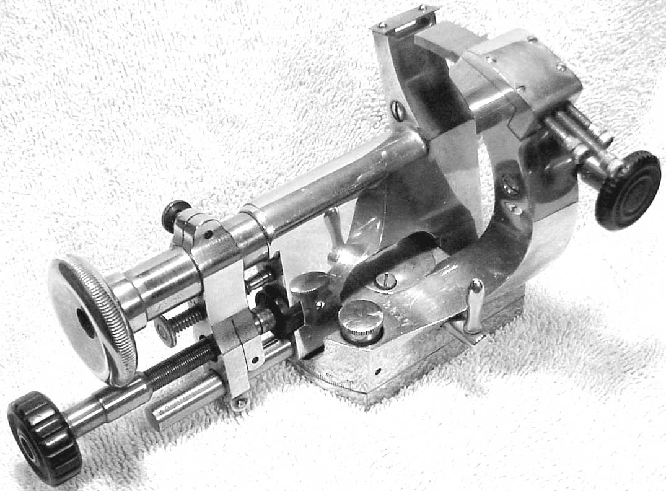
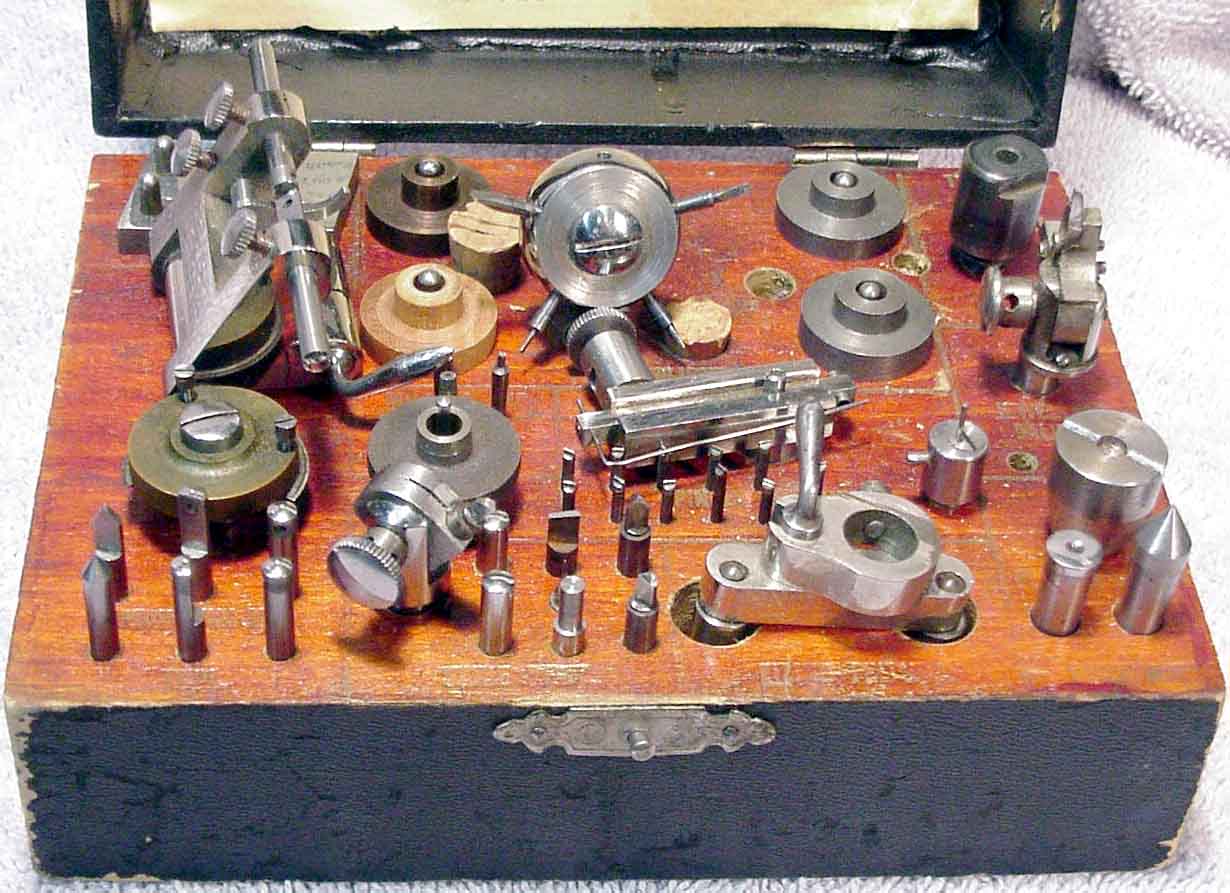
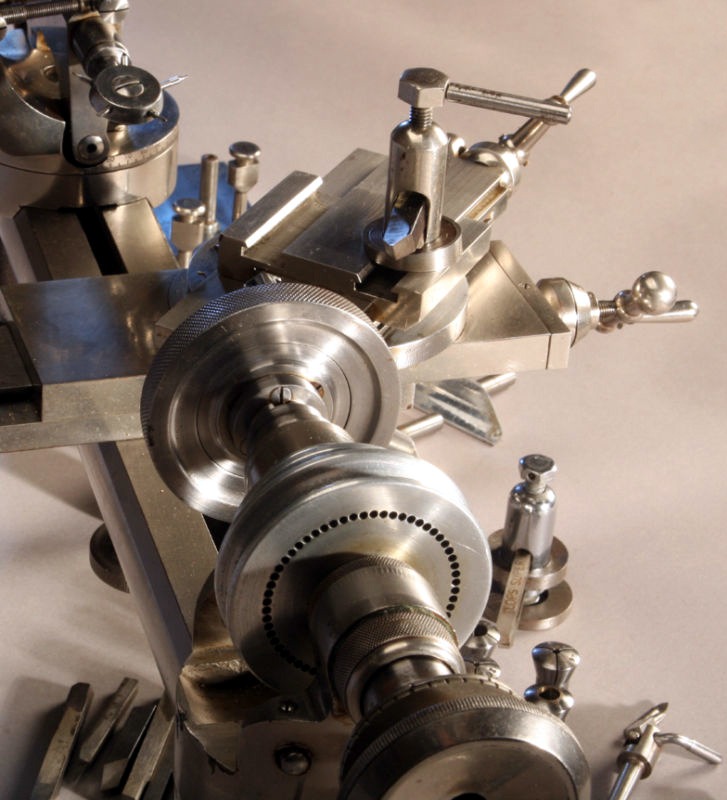
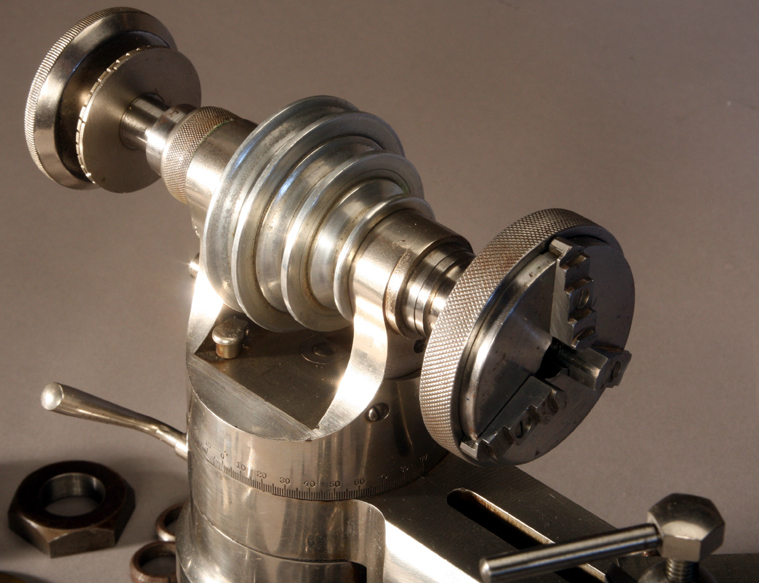
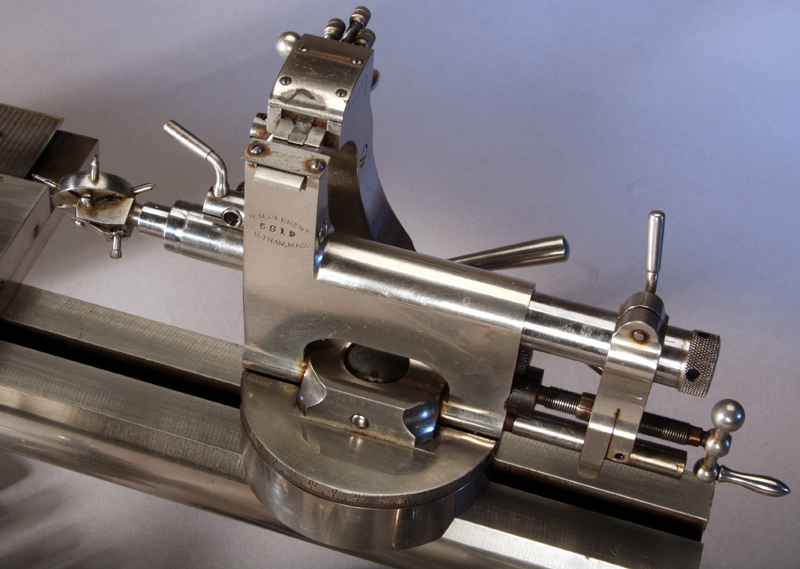
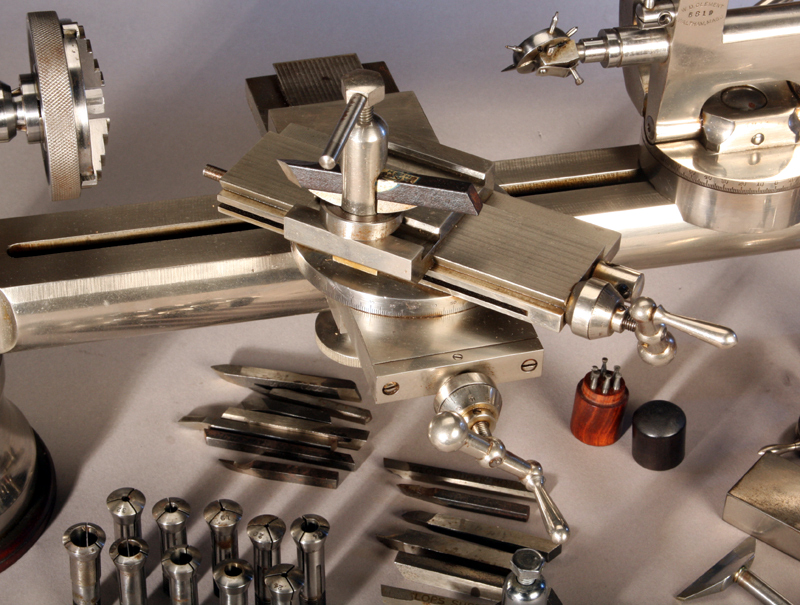
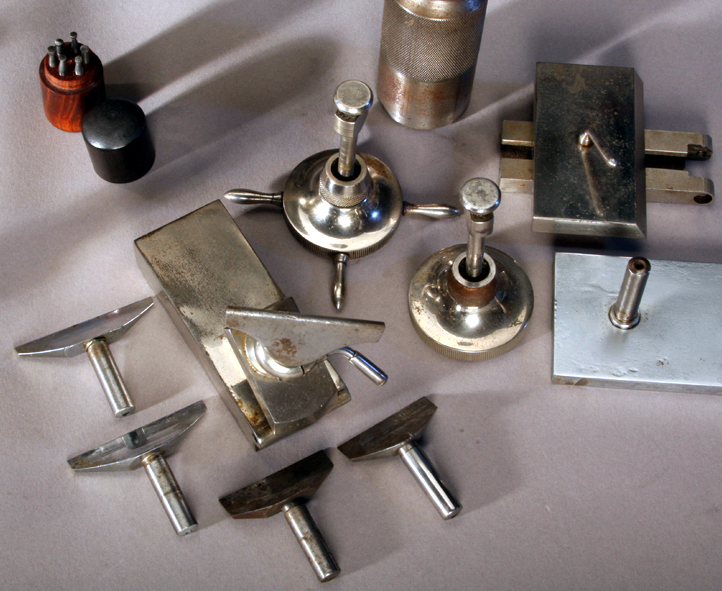
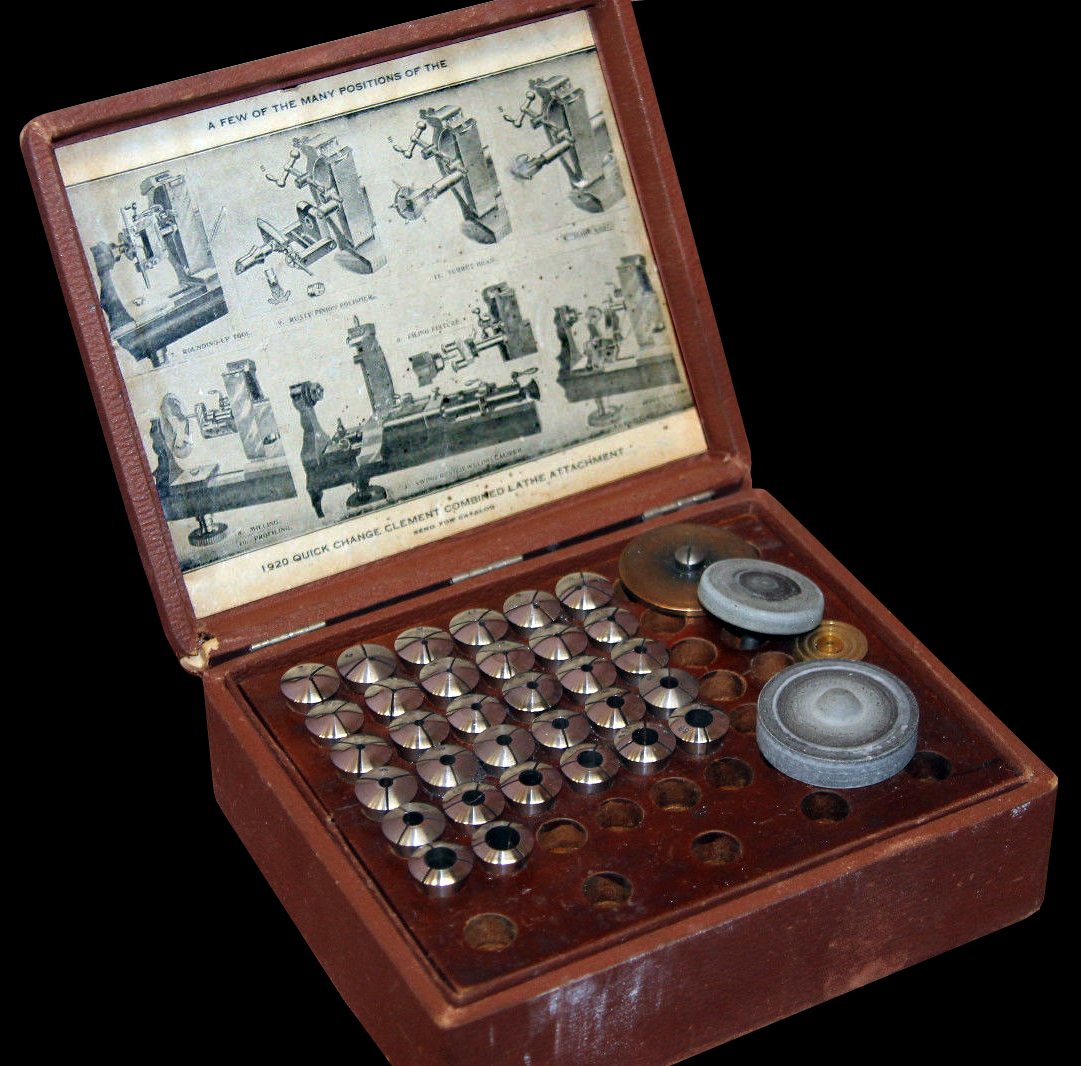
Clement offered an unusually wide range of extras that began to rival, if not quite match, the numbers offered by European manufacturers such as Schaublin, Boley, Leinen, Lorch, Wolf Jahn and Pultra. Accessories offered included the 'Clement Combined Lathe Attachment', a precision ring-scroll 3-jaw chuck; a rather special tailstock, tip-over hand rest; 14 changewheels for English threads and a further 14 for metric screwcutting; a drill chuck to fit headstock or tailstock; a faceplate of the "Universal" type with jaws; a vast range of collets from a No. 3 (0.0118") to a number 115 (0.4375"); stepped collets from a number 1 to a number 5 to hold watch plates; stepped clock-wheel holding collets; cementing brasses; blank collets; a variable-speed motor-drive system; an ordinary compound slide (cross and top slide) and a three-tier slide not dissimilar to that more commonly found on Derbyshire watchmakers' lathes. Also listed were various polishing, grinding, milling and gear-cutting spindles (held on the tool slide and powered from an overhead drive system), a pivot polisher, a universal faceplate with reversible jaws and a number of different tailstocks including the long-established "combination" type. The lathe could also be fitted with a miniature bed-mounted capstan turret - probably the most difficult-to-find accessory of all.
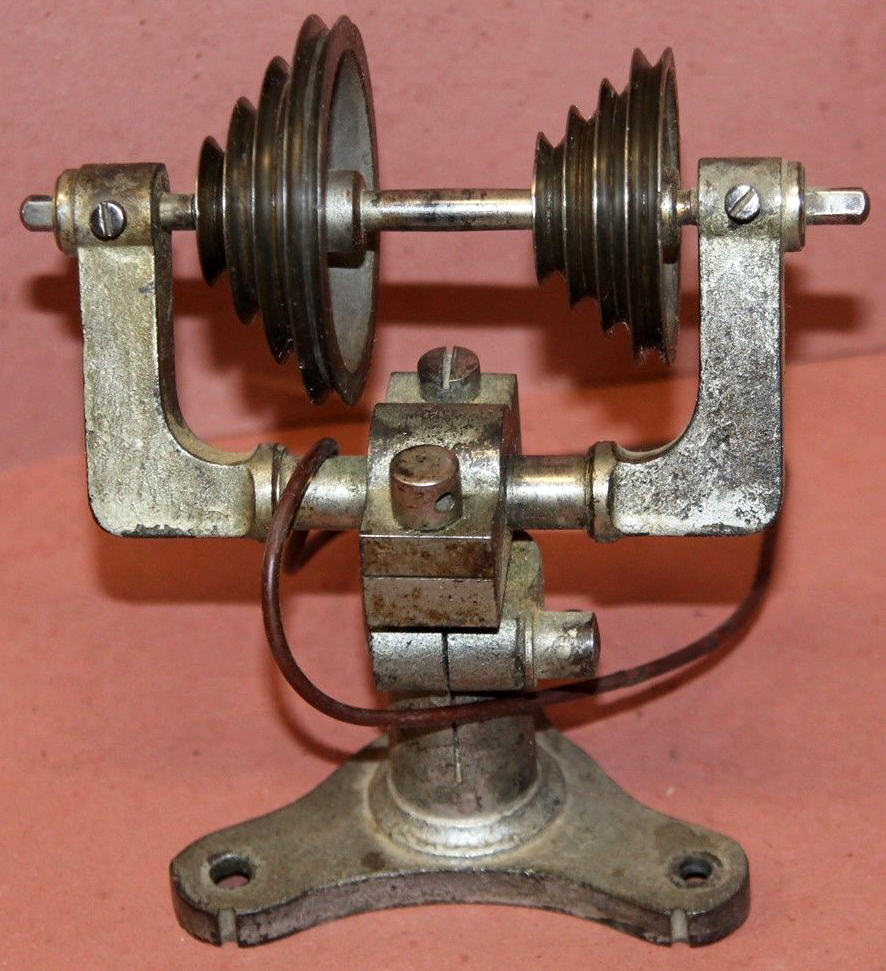
Even the countershaft for the swivel head lathe was special, this having the ability to be both pivoted and swung, so giving an effective even when the headstock was not in line with the bed.
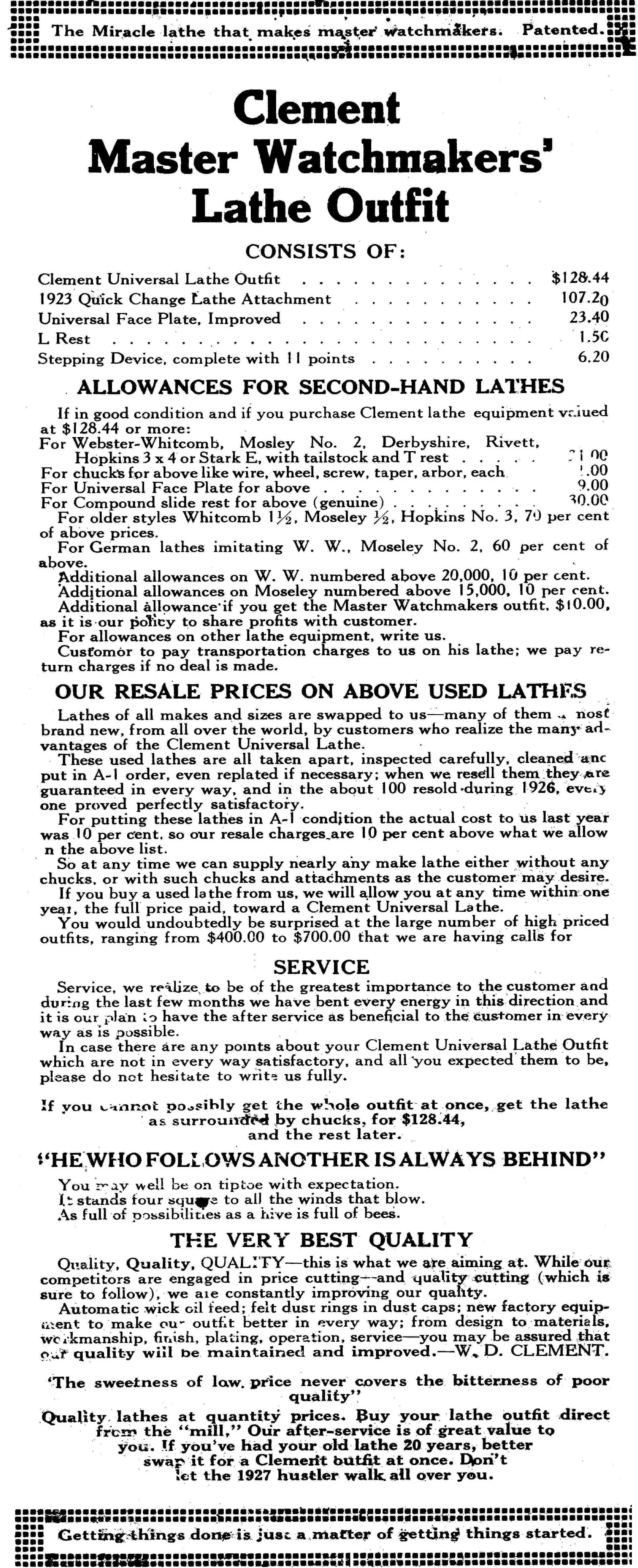
In March 1946 the basic lathe, consisting of just the headstock and bed, was priced from $108.75 for the shortest model to £139.95 for the longest. However, if all the accessories mentioned above were added the price rose to over $1350 - but that excluded collets - these ranging from $3.75 to $6 each.
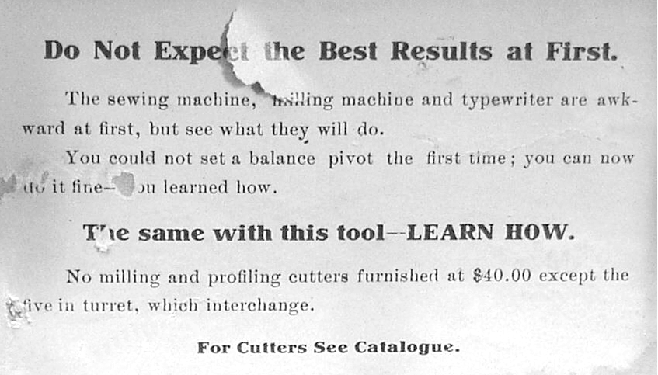
Clement's advertising literature included amongst its pages the following homilies: "Whose job are you after - the man ahead of you or the one behind? Look out! You may get it."
"The fellow who schemes merely to "get by" ……
"Will you keep up to date, or will you sit back and "let the rest of the world go by?"
"Watchmakers who do not progress may just as well climb into their coffins, for they….."
Unfortunately Clement's publicity literature appears to have been printed on paper of indifferent quality and most surviving examples from before WW2 are in poor condition. If you have a Clement lathe in good original order, or copies of the maker's literature, the writer would be very interested to hear from you.
Pictures continued on page 2